Wednesday, November 25, 2026

Luang Khun Win Temple and the Quiet Spiritual Landscape of Mae Wang

Luang Khun Win Temple and the Quiet Spiritual Landscape of Mae Wang

A reflective journey through forest worship, northern heritage, and respectful cultural discovery
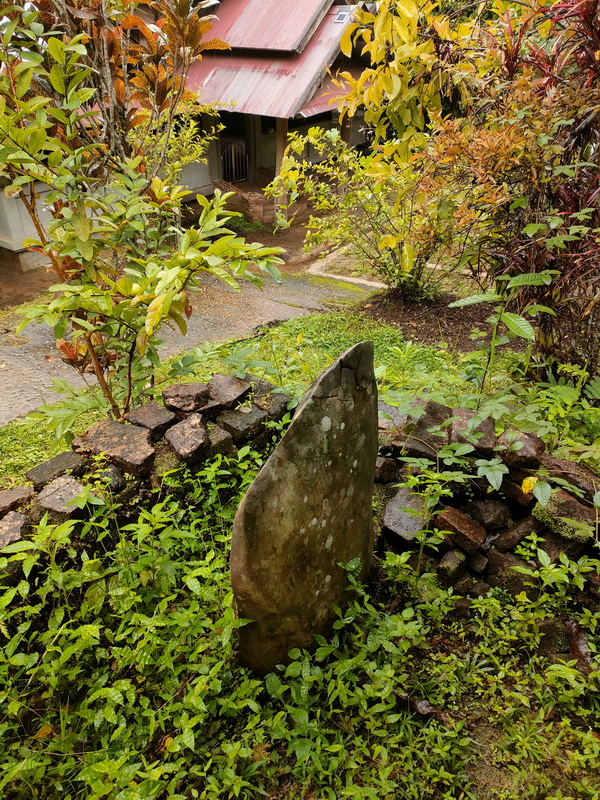
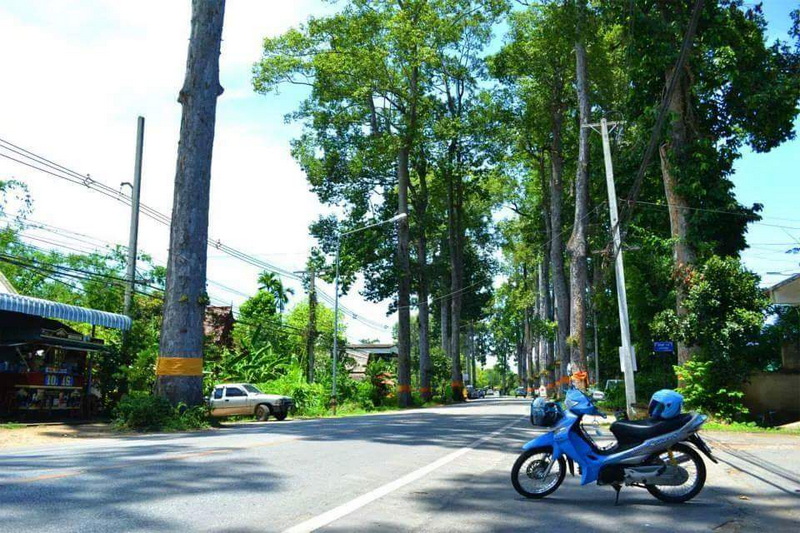
Travel photograph selected for Luang Khun Win Temple destination guide.

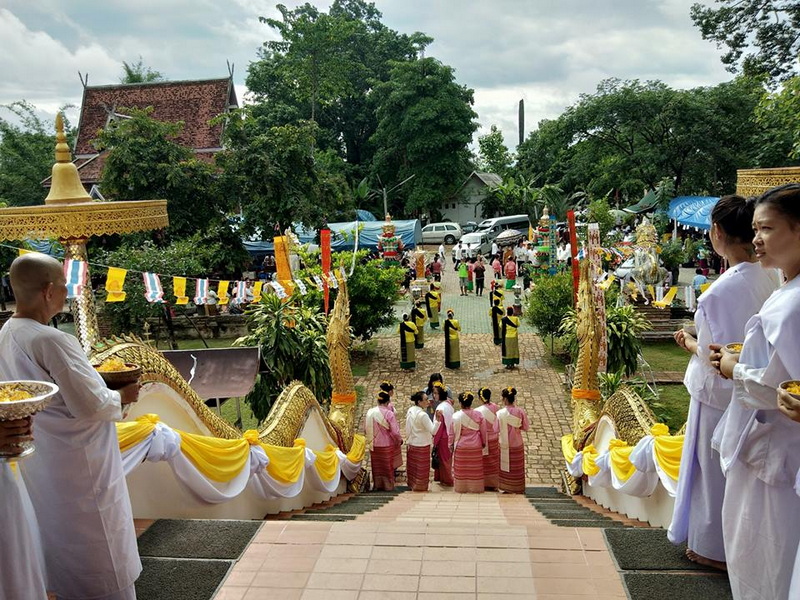
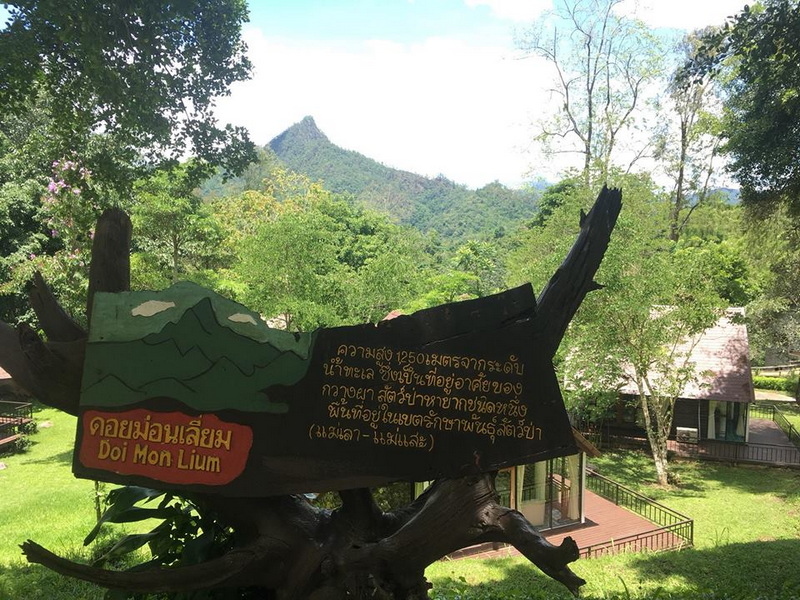
Some temples impress through height, glittering decoration, or a central place in a busy city. Luang Khun Win Temple offers a different kind of encounter. Set in the wooded hills of Mae Wang District, Chiang Mai, Wat Luang Khun Win is approached as a place of quiet devotion, where the surrounding forest forms part of the visitor’s experience rather than merely serving as a backdrop. The journey here is best understood as a movement from noise toward attention. Road travel gives way to a more secluded setting, and the temple’s religious character becomes more apparent through its wooden architecture, devotional images, and atmosphere of retreat. It is not necessary to arrive with specialist knowledge of Buddhism to appreciate the site, but it is important to visit with patience and restraint. For travelers interested in the Most Sacred Temples Chiang Mai, this temple contributes a more contemplative perspective. Its value lies not only in what can be photographed, but also in the relationship between spiritual practice, forest landscape, local heritage, and respectful observation.

A Sacred Place Shaped by Forest and Silence

Wat Luang Khun Win is often regarded as a spiritually important temple in the Mae Wang area because its setting supports the character of a forest sanctuary. The trees, shaded paths, and distance from urban activity create conditions for reflection. In Buddhist traditions, forest environments have long been associated with meditation, simplicity, and disciplined attention. That broader context helps explain why a remote temple can feel significant even without the formal grandeur of a major city monument.

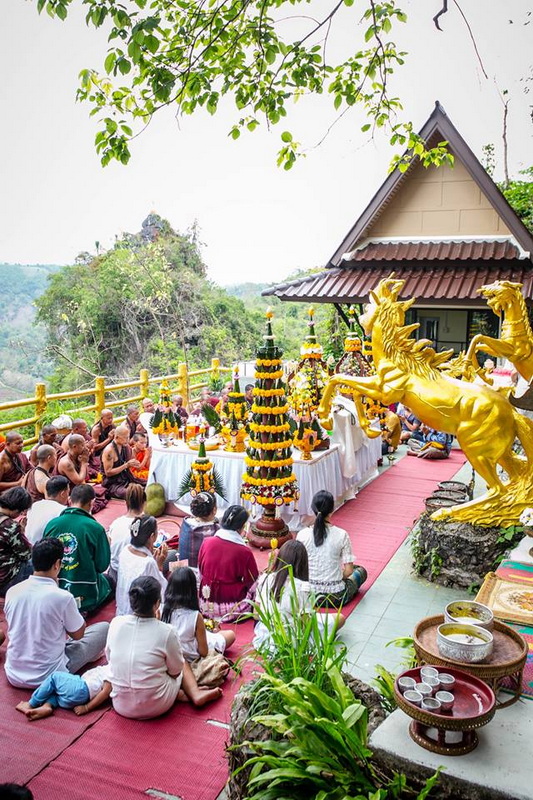
The spiritual importance of Luang Khun Win Temple should not be reduced to its appearance. Visitors may notice aged timber, carved details, and religious images, but these features belong to a living place of worship. Monks and local devotees may use the grounds for purposes that are not arranged for sightseeing. A respectful visitor therefore observes first, keeps conversation subdued, and allows worshippers privacy.

The temple’s calm atmosphere can encourage a slower form of travel. Rather than trying to see every detail quickly, visitors can look at how the buildings sit within the forest, how natural shade changes the mood of the grounds, and how architecture guides attention toward sacred images. This kind of awareness makes the visit cultural as well as visual.
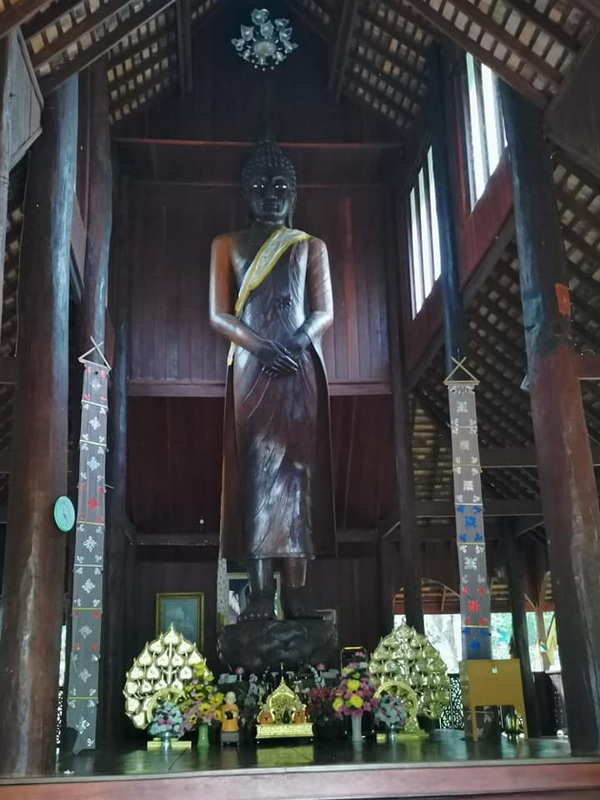
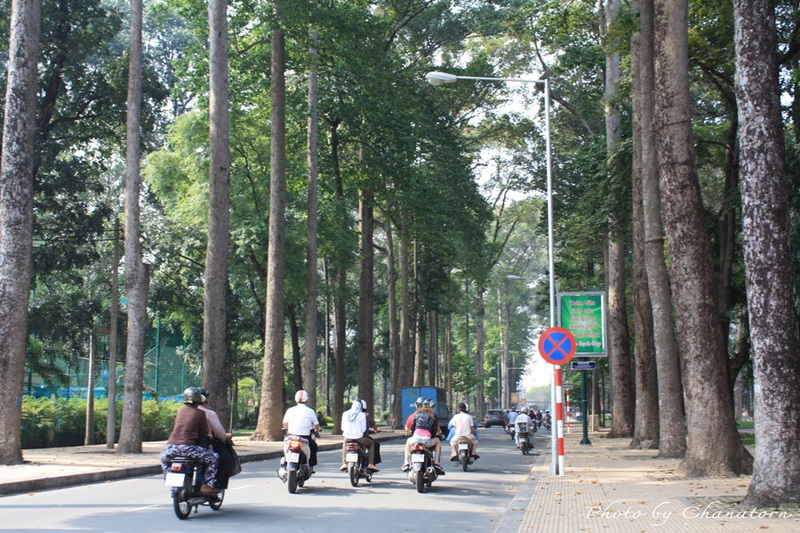
Travel photograph selected for Luang Khun Win Temple destination guide, Luang Khun Win Temple main article view 2 2

Reading Northern Thai Heritage with Care

The cultural character of Wat Luang Khun Win Chiang Mai is connected to northern Thailand’s long tradition of temple building, devotional art, and community-based religious life. Northern temples are not simply historical displays. They can function as places for merit-making, teaching, ceremonies, remembrance, and everyday community connection. At a forest temple, those roles may be less visible to a first-time visitor, which is why quiet observation and local guidance are valuable.

Wooden structures and carved forms invite close attention, yet they should be viewed within their religious setting rather than treated as decorative curiosities. Photography should be discreet and should never interrupt prayer, offerings, meditation, or ceremonies. Clothing that covers the shoulders and knees is a considerate choice, while shoes should be removed wherever signs or local custom require it. Visitors should also avoid climbing, touching sacred objects, or posing in ways that turn devotional spaces into theatrical backgrounds.

The name Wat Luang Khunwin is sometimes written in slightly different ways, including Luang Khunwin Temple. These variations point to the same cultural destination, but the more important distinction is between searching for a landmark and understanding a place. A visit becomes more meaningful when travelers recognize that the temple’s identity is carried by religious practice and local stewardship, not only by its secluded location or distinctive architecture.

Placing the Temple within a Chiang Mai Cultural Journey

A Chiang Mai City Tour often introduces visitors to well-known urban temples, old walls, markets, and museums. Those experiences are useful for understanding the region’s history, but a visit to Wat Luang Khun Win adds a contrasting dimension. The temple encourages attention to rural landscapes, forest spirituality, and the way religious places can exist beyond the historic center. It is best considered as part of a wider cultural journey rather than as a quick stop between unrelated attractions.
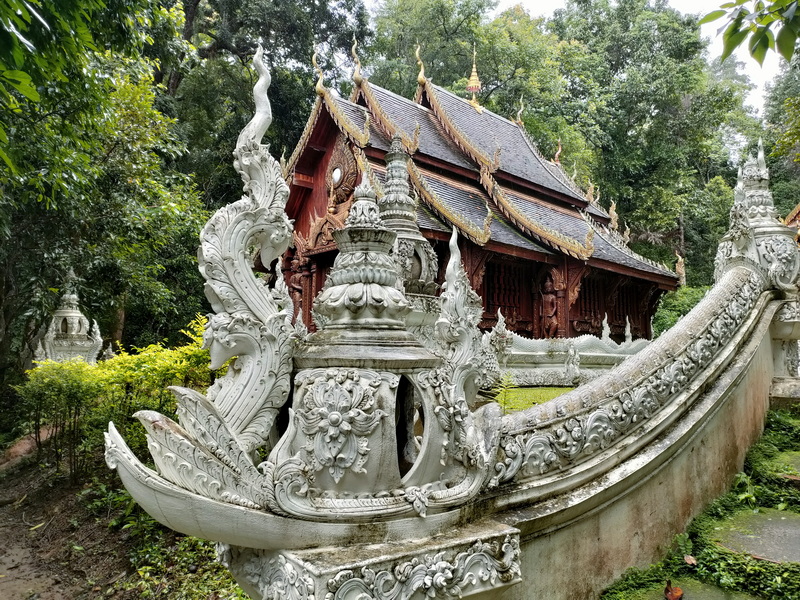
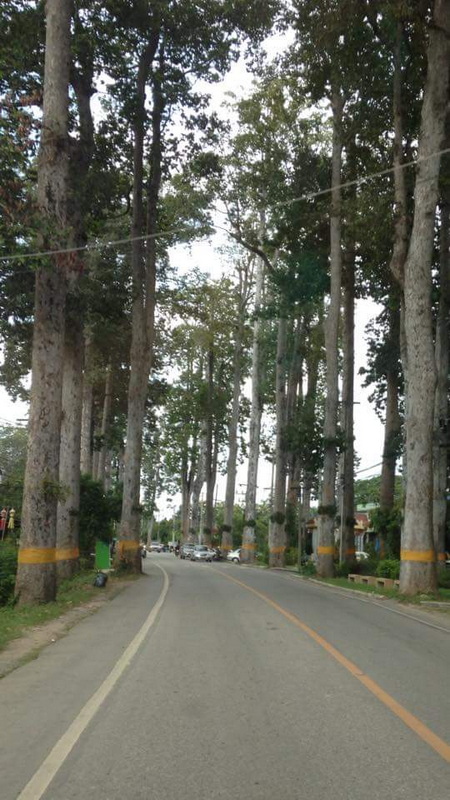
Travel photograph selected for Luang Khun Win Temple destination guide, Luang Khun Win Temple main article view 3 2

Travelers arranging a broader temple itinerary can use the city as a starting point for learning about northern Buddhist architecture and customs, then approach Mae Wang with a more prepared and respectful attitude. A guide with local knowledge may help explain etiquette, routes, and cultural context, although no particular tour format is necessary to appreciate the site. The central aim should remain understanding rather than collecting destinations.

This perspective also helps prevent comparisons that rely only on scale or ornament. A busy city temple and a secluded forest monastery serve different visitor experiences. One may reveal public religious life in an urban setting, while the other invites consideration of retreat, nature, and quiet devotion. Together, they show why Chiang Mai’s religious heritage cannot be represented by one architectural style or one type of sightseeing.

How to Approach the Visit Thoughtfully

The journey to Luang Khun Win Temple is part of its meaning. Roads into hill areas can be more demanding than urban routes, and conditions may vary with weather. Travelers should allow time rather than building an inflexible schedule around a brief visit. Checking current access conditions locally before setting out is sensible, especially when traveling during periods of heavy rain. The practical details matter because a rushed or uncomfortable arrival can make it harder to appreciate the temple’s atmosphere.
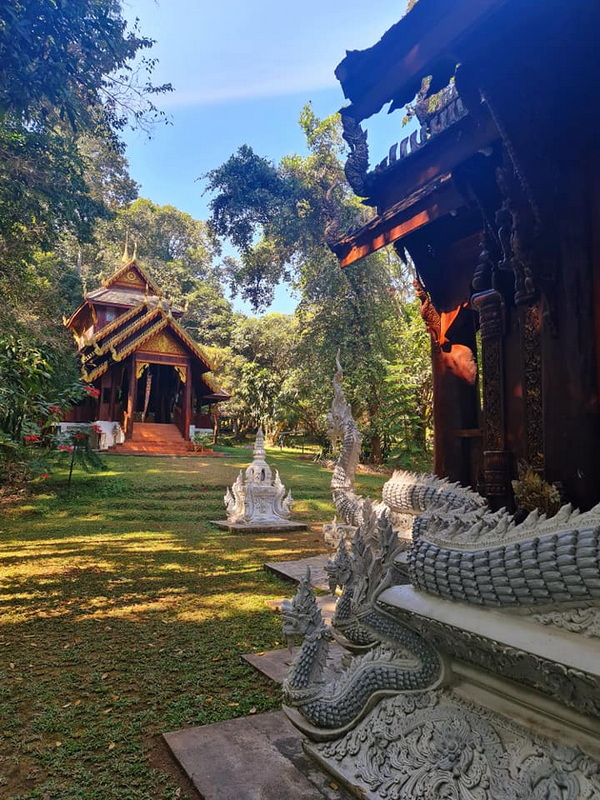
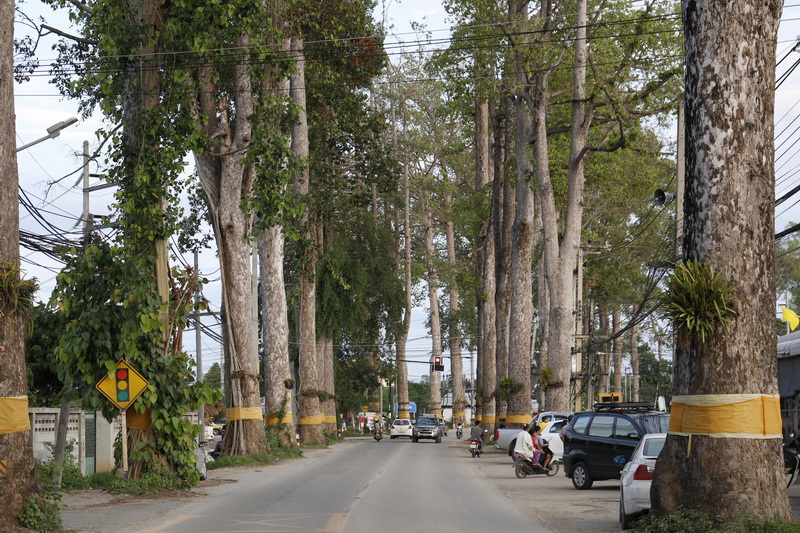
Travel photograph selected for Luang Khun Win Temple destination guide, Luang Khun Win Temple main article view 4 2

Once at the site, a measured pace is appropriate. Begin by noticing where visitors are welcome, then follow signs or local instructions. Speak softly, keep mobile devices unobtrusive, and ask permission before photographing people or religious activities. If monks or worshippers are present, do not assume that they are available for conversation or portraits. These small choices communicate respect more effectively than grand statements about spirituality.

The surrounding landscape deserves equal care. Avoid leaving rubbish, disturbing plants, or treating forest paths as informal playgrounds. Local communities and religious custodians help preserve places like this, and responsible visitors support that work by reducing pressure on the environment. The result is a more reciprocal experience: the traveler receives a quiet cultural encounter while contributing as little disruption as possible.

Seen in this way, the temple is not merely one of the Chiang Mai Cultural Attractions to add to a checklist. It is an opportunity to consider how faith, architecture, landscape, and community overlap. That lesson can remain with visitors after the buildings disappear from view.

Extending the Reflection Beyond the Temple

The temple is most rewarding when it is allowed to set the tone for a wider, unhurried exploration of Mae Wang. Two nearby destinations add agricultural and geological perspectives without replacing the spiritual focus of the visit.

Khun Wang Royal Project
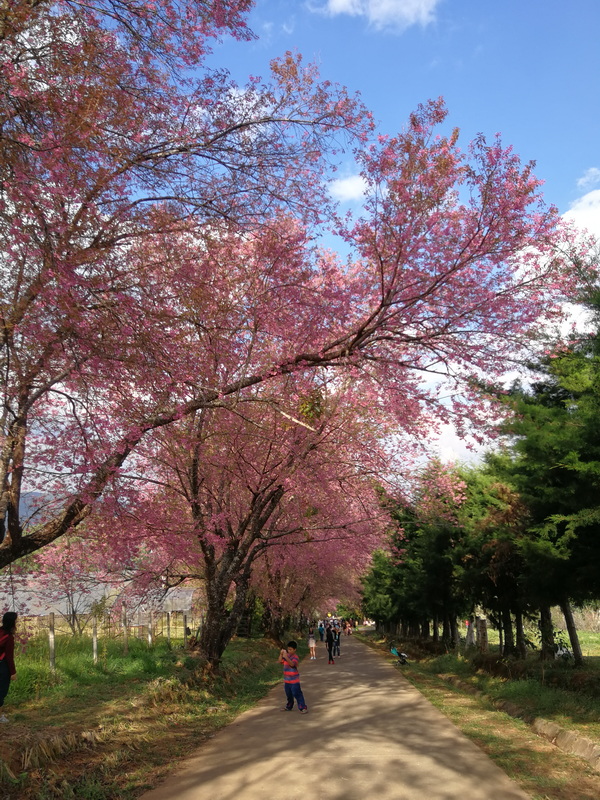
Travel photograph selected for Khun Wang Royal Project destination guide.

Khun Wang Royal Project offers a different expression of northern Thailand’s relationship with land and community. Royal Project sites are associated with agricultural development, local livelihoods, and learning about crops suited to upland environments. The character of the visit can change with the season, so travelers should approach it as a place for observing agricultural landscapes and community enterprise rather than expecting a fixed display.

Placed after a temple visit, Khun Wang can broaden the cultural story of the area. The temple invites reflection on spiritual life, while the project points toward cultivation, rural knowledge, and the practical work of sustaining communities in highland surroundings. Visitors should follow local guidance, avoid entering restricted growing areas, and remember that working landscapes are not simply scenic backdrops.

Pha Chor
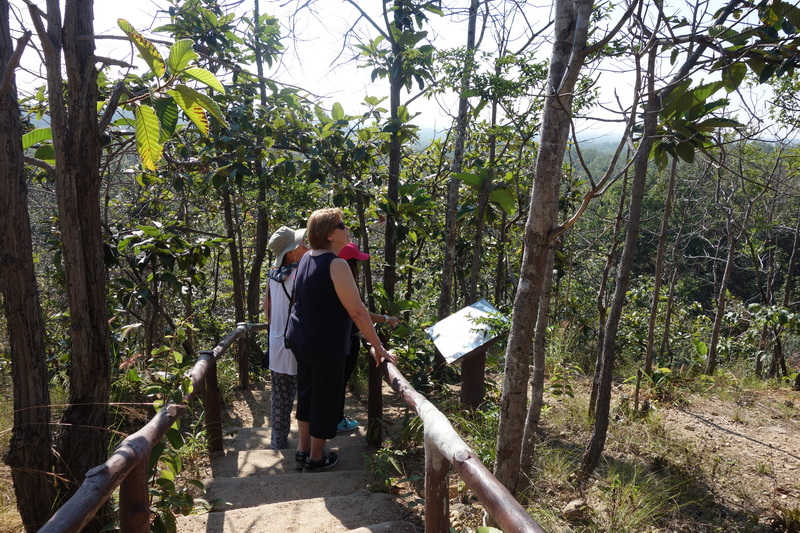
Travel photograph selected for Pha Chor destination guide.

Pha Chor brings a geological dimension to a Mae Wang journey. Located in the wider Mae Wang National Park area, it is known for striking earth formations shaped by erosion over long periods. Walls, pillars, and canyon-like forms give the landscape a strong visual character, but the site is also a reminder that the region’s story extends far beyond human history.

Combining Pha Chor with Wat Luang Khun Win creates a thoughtful progression from sacred forest and living heritage to natural forces recorded in stone and soil. Visitors should remain on appropriate paths, take care on uneven ground, and avoid climbing fragile formations. The contrast between the two places encourages a broader appreciation of Mae Wang as a landscape where religious practice, community life, and geological change meet.

Carrying the Quiet of Mae Wang Forward

A visit to Luang Khun Win Temple offers more than a view of a secluded northern Thai sanctuary. It encourages travelers to notice the connection between forest, faith, craftsmanship, and community, while nearby places such as Khun Wang Royal Project and Pha Chor widen that understanding. Approached with modesty and time, the temple becomes less a landmark to be collected than a place to be encountered carefully. Its quiet atmosphere may be the most lasting part of the journey.

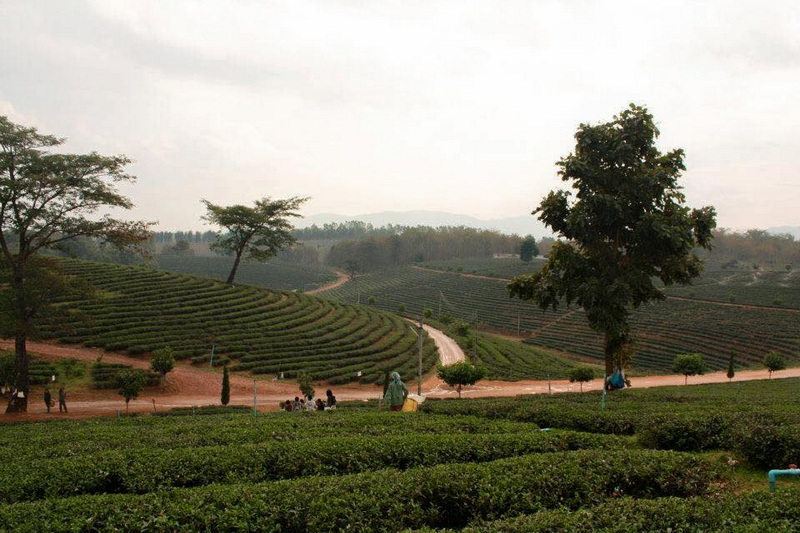
Top Attractions and Full-Day Tours Featuring Choui Fong Tea Plantation

Top Attractions and Full-Day Tours Featuring Choui Fong Tea Plantation

A practical scenic itinerary for discovering Chiang Rai’s cultural landmarks, mountain landscapes, and tea-growing heritage

Travel photograph selected for Choui Fong Tea Plantation destination guide.

Chiang Rai rewards visitors who give the province a full day rather than treating it as a brief stop between destinations. Its attractions range from contemporary Buddhist art and historic cultural sites to mountain scenery, agricultural landscapes, and communities shaped by the northern highlands. A well-planned route can therefore combine visual highlights with a quieter understanding of the region. Choui Fong Tea Plantation is especially useful as the scenic anchor of such an itinerary. Set in Mae Chan District, the plantation presents tea cultivation as a living agricultural landscape rather than simply a photo background. Curving rows of tea, elevated views, and opportunities to taste tea products create a different rhythm from Chiang Rai’s temples and urban sights. This guide looks at how to arrange a Chiang Rai Full Day Tour around the plantation while still allowing time for major attractions. It focuses on sensible sequencing, the character of each stop, and nearby additions that complement the tea experience without turning the day into an overloaded checklist.

Build the Day Around Chiang Rai’s Contrasting Highlights

The most rewarding Chiang Rai itineraries usually work because they combine contrasts. A temple with bold contemporary design can be followed by an agricultural landscape; an urban cultural stop can lead into open mountain scenery. This approach gives the day a clear progression instead of grouping several similar attractions together. For first-time visitors, it also offers a more balanced introduction to Chiang Rai Province.

Travel photograph selected for Chiang Rai Tour Packages destination guide.

Wat Rong Khun, commonly called the White Temple, is one of the best-known Chiang Rai Top Attractions. Its brilliant white surfaces, intricate details, and symbolic artwork create an immediately recognizable setting. The complex is a contemporary artistic interpretation of Buddhist ideas, so visitors should approach it as both a religious place and a distinctive work of art. Modest behavior and respect for worshippers remain appropriate, even when the site is busy with sightseeing.

Wat Rong Suea Ten, known as the Blue Temple, provides another striking visual experience through its deep blue color palette and elaborate decorative work. The contrast with the White Temple makes the two sites easy to remember, but they should not be reduced to matching photo stops. Taking a little time to observe the details, enter respectfully where permitted, and appreciate the different artistic approaches makes the cultural portion of the day more meaningful.

Other well-established choices include the Golden Triangle area, where the Mekong and Ruak rivers meet near the borders of Thailand, Laos, and Myanmar, and Doi Tung, known for its mountain setting and cultural landscape. These attractions lie in different directions and require thoughtful planning. Rather than attempting every famous site, visitors should select landmarks that fit the plantation’s location and leave enough time to experience each place without rushing.

Shape a Full-Day Tour With a Clear Sense of Place

A full-day itinerary featuring Choui Fong Tea Plantation works best when the plantation is treated as a central landscape experience, not an afterthought squeezed between temples. Begin with one or two cultural landmarks that establish Chiang Rai’s artistic identity, then continue toward Mae Chan District as the scenery becomes more rural. The changing views help the journey feel like a transition from the city into the agricultural highlands.

The precise order can vary according to the selected attractions, local conditions, and the amount of time available. What matters is avoiding too many distant destinations in a single day. A route that includes the White Temple, the Blue Temple, and the tea plantation already offers strong variety: contemporary religious art, a vivid interior setting, and cultivated mountain scenery. Adding another major destination should be a deliberate choice rather than an automatic expectation.

Travel photograph selected for Choui Fong Tea Plantation destination guide, Choui Fong Tea Plantation main article view 2 2

For travelers comparing Chiang Rai tour ideas, a useful planning question is whether each stop adds a different kind of experience. The plantation contributes open views, tea fields, and an agricultural perspective. The temples contribute design, symbolism, and religious context. A border-region or mountain attraction can add geography and regional history. This simple test helps create a coherent day and prevents the itinerary from becoming a collection of disconnected photographs.

A Chiang Rai Full Day Tour can also be more comfortable when visitors allow pauses between major stops. Tea tasting, a quiet observation point, or time to notice the patterns of the fields can be as memorable as another landmark. The province’s appeal is not only its list of attractions; it is also the way built environments, farmland, hills, and local roads fit together.

Why Choui Fong Tea Plantation Deserves a Full-Day Itinerary

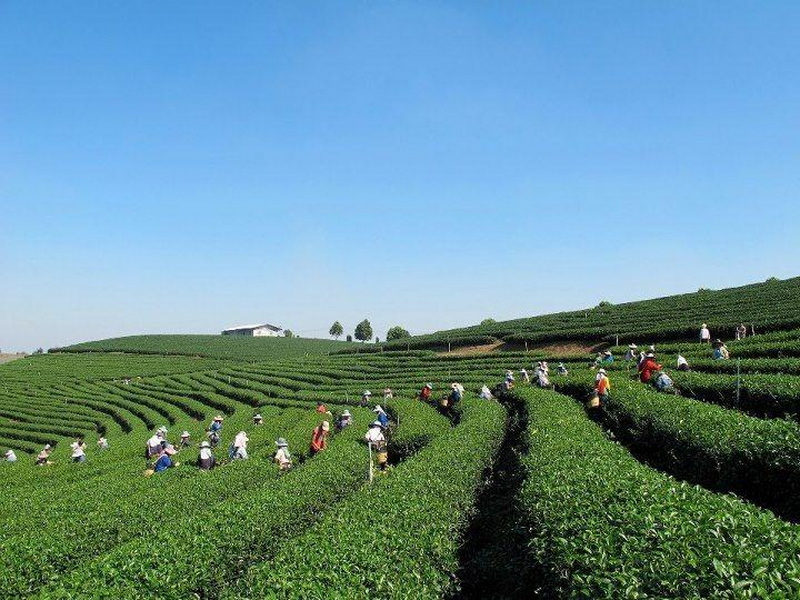
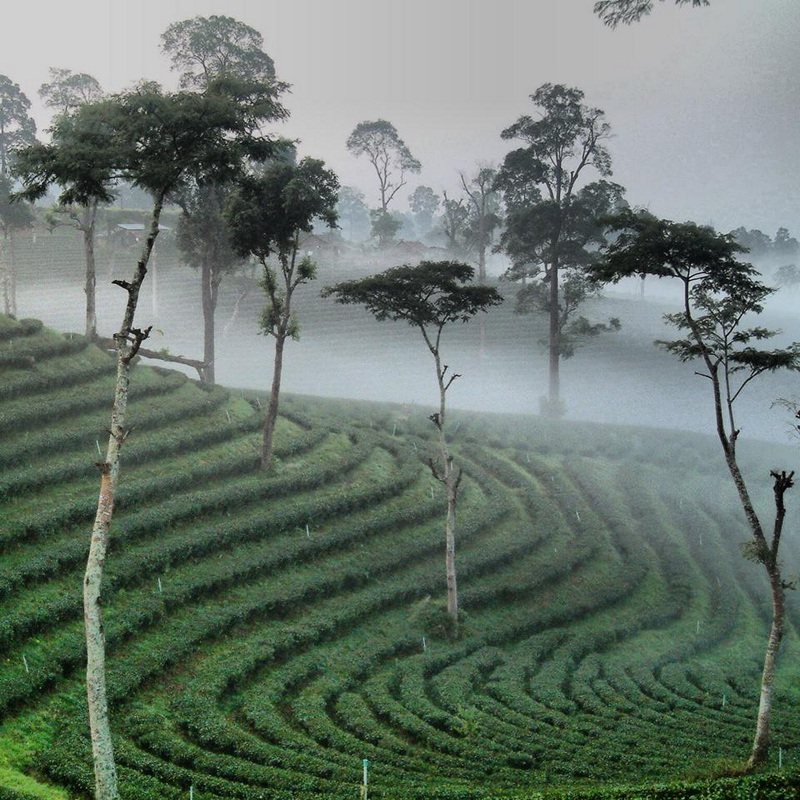
The appeal of Choui Fong Tea Plantation begins with its setting. Tea bushes cover the sloping ground in carefully maintained rows, creating curved textures that follow the contours of the landscape. From suitable viewpoints, visitors can look across the fields toward the surrounding hills and understand why this is one of the most recognizable scenic stops in northern Thailand. The experience is visual, but it is also rooted in cultivation and agricultural work.

A visit offers a chance to learn how tea shapes a place. Instead of presenting the crop as an abstract product, the plantation makes the growing environment visible: planted rows, clipped bushes, changing shades of green, and the relationship between cultivated land and higher terrain. Visitors should remember that this is working agricultural ground. Staying within visitor areas, avoiding damage to plants, and treating the landscape with care are practical ways to respect Mae Chan’s agricultural heritage.

Choui Fong Tea is an important part of the experience because tasting connects the landscape with the finished product. Tea-based drinks and products may appeal to visitors who prefer a gentle break after sightseeing, while the plantation setting provides space to slow down and observe. Specific offerings and visitor arrangements can change, so it is sensible to check current information before going rather than relying on assumptions about availability.

For anyone preparing a Choui Fong Tea Plantation Travel Guide for their own trip, the main planning lesson is to allow time for more than a quick photograph. Notice the geometry of the fields, the mountain horizon, and the contrast between close-up leaves and distant ridgelines. Morning and afternoon light can change the appearance of the slopes, although weather and visibility are naturally variable. Comfortable walking shoes, sun protection, and water are sensible choices for an outdoor agricultural visit.

Travel photograph selected for Choui Fong Tea Plantation destination guide, Choui Fong Tea Plantation main article view 3 2

The name Choui Fong Chiang Rai is often associated with scenic tea fields, but the destination is more than a viewpoint. It represents the meeting of tourism and agriculture, where visitors can enjoy the landscape while recognizing the work required to maintain it. That perspective makes the plantation a valuable complement to Chiang Rai’s famous temples and reinforces why it belongs in a thoughtful day-long plan.

Practical Choices for First-Time Visitors

First-time international visitors should decide what they want the day to feel like before selecting every stop. A culture-led day might give more attention to the White Temple and Blue Temple before continuing to the plantation. A landscape-led day could place greater emphasis on tea fields, mountain views, and a nearby natural or cultural stop. Neither approach is automatically better; the strongest itinerary matches the visitor’s interests and energy.

Consider the physical character of each attraction as well. Temple grounds may involve steps, outdoor walking, or periods of standing, while the plantation includes sloping surfaces and sun exposure. Respectful clothing is appropriate at religious sites, and visitors should follow local instructions about photography and access. At the tea fields, staying on designated paths or visitor areas protects both the plants and the experience of other guests.

Weather can influence the day’s visual quality. Bright conditions may make the tea rows particularly vivid, while clouds or haze can soften distant mountain views. A flexible attitude is useful because the plantation remains interesting even when the horizon is not perfectly clear. Rather than judging the stop only by photographs, pay attention to the agricultural setting and the change of pace it brings to the itinerary.

Finally, resist the pressure to measure success by the number of attractions completed. Chiang Rai offers enough landmarks to fill several days, but a full-day route is more satisfying when its stops relate to one another. Combining cultural design, regional geography, and tea cultivation creates a strong narrative: the province is not one single attraction, but a collection of landscapes and traditions that become clearer when experienced together.

Two Meaningful Extensions Beyond the Tea Fields

Once the main cultural and agricultural highlights are arranged, the day can be extended with a stop that changes the pace rather than repeating the same scenery. These two nearby options add natural and contemplative dimensions to a plantation-focused route.

Pa Tueng Hot Springs

Travel photograph selected for Pa Tueng Hot Springs destination guide.

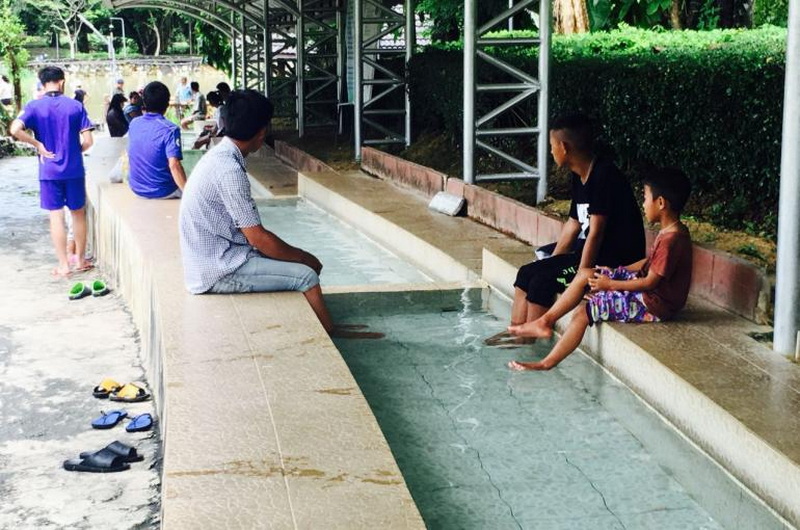
Pa Tueng Hot Springs can provide a natural continuation after time among the tea fields. The site brings attention to geothermal features and the relationship between local communities and the surrounding landscape. It offers a different sensory experience from the plantation, replacing rows of cultivated tea with warm mineral water and a more relaxed outdoor setting.

Because conditions and facilities can vary, visitors should confirm current access information before planning a long stop. Even when used briefly, Pa Tueng Hot Springs complements Choui Fong Tea Plantation by adding another way to experience Mae Chan District beyond scenic viewpoints. It is best included when the overall route allows a comfortable pause rather than as another hurried checklist item.

Acha Thong Forest Monastery

Travel photograph selected for Acha Thong Forest Monastery destination guide.

Acha Thong Forest Monastery offers a quieter cultural and natural counterpoint to the plantation. Its forest setting encourages a more reflective pace and reminds visitors that Chiang Rai’s attractions are not limited to prominent architectural landmarks. As with any monastery, visitors should dress respectfully, keep their voices low, and observe local guidance about appropriate areas and photography.

The monastery fits a day focused on cultural understanding and northern landscapes, particularly for travelers who prefer contemplative places to crowded highlights. Pairing it with the tea plantation creates a thoughtful contrast between cultivated hillside agriculture and a forest-based religious environment, while keeping the emphasis on respect for both the land and the local community.

A More Balanced Way to See Chiang Rai

Choui Fong Tea Plantation gives a Chiang Rai itinerary a strong scenic center, but its real value comes from how it connects with the wider province. Pairing tea cultivation with distinctive temples, mountain landscapes, or a respectful cultural visit creates a fuller understanding of the region. Plan fewer stops, allow time to observe the places you visit, and treat the plantation as both a beautiful landscape and working agricultural heritage. With that approach, a day in Chiang Rai can feel varied, coherent, and genuinely rewarding.

Tuesday, November 24, 2026

Baan La-Up as a Cultural Stop on a Mae Hong Son Driver Tour

Baan La-Up as a Cultural Stop on a Mae Hong Son Driver Tour

A practical, respectful guide to village visits, scenic routes, and surrounding attractions from Chiang Mai

Travel photograph selected for Baan La-Up destination guide.

Baan La-Up is a community point of interest in Mae La Noi District, Mae Hong Son, where a visit is best understood through place, landscape, and everyday local life rather than through a checklist of staged attractions. The village is also written as Ban La-Up, Ban Lao-Up, or Ban Lua-Up in travel searches, so visitors may encounter several spellings while planning a route. Its setting in the mountainous Mae Hong Son region gives the journey a strong sense of distance from Chiang Mai and makes the approach part of the experience. For travelers comparing Mae Hong Son Tourist Attractions, the village offers a quieter cultural and natural perspective. A driver-based journey can make practical sense because the route involves a substantial overland trip, changing mountain scenery, and the need to allow time for stops without concentrating only on a famous viewpoint. This guide explains how Ban La-Up fits into tour planning, what to observe respectfully, and how nearby places can add context without turning the community into a rushed photo stop. The aim is not to suggest a guaranteed itinerary or a particular commercial operator. Instead, it provides a framework for discussing a Chiang Mai departure with a driver or tour planner, checking what is realistic, and approaching Ban La-Up with appropriate expectations.

Understanding Ban La-Up as a Place to Visit

Ban La-Up is located in Mae La Noi District, within Mae Hong Son Province in northern Thailand. The district is known for mountainous terrain and dispersed communities, so the village should be viewed as part of a wider rural landscape rather than as an isolated attraction with a compact entertainment program. The road journey, cultivated slopes, forested surroundings, and changing elevations all help explain the character of the area.

The appeal of a visit comes from observing how a local community occupies its environment. Buildings, paths, gardens, small working areas, and views across the hills may be more meaningful than a formal attraction designed for mass tourism. Conditions can change with weather and local activity, and not every part of the village should be assumed to be open for visitors. A considerate traveler follows signs, listens to the driver or local guide, and avoids entering private spaces without permission.

Ban La-Up Mae Hong Son is therefore most suitable for people who value cultural context and slower sightseeing. A short stop can provide visual impressions, but a more rewarding visit leaves room for quiet observation. Notice the relationship between settlement and landscape, the practical use of roads and homes, and the ordinary rhythm of community life. These details should be treated as living realities, not as scenery arranged for visitors.

Several spellings can create confusion when searching for maps or tour discussions. Ban La-Oop and Baan La-Oop are among the forms that may appear online, while Ban La-Up is also widely used. Checking the location in Mae La Noi District is more useful than relying on spelling alone. Travelers should confirm that a proposed stop refers to the same community before finalizing a route.

How Driver Tour Language Helps with Planning

The phrase Chiang Mai To Mae Hong Son Driver Tour Package generally describes a private or arranged road journey in which a driver helps cover the long distance between Chiang Mai and destinations in Mae Hong Son Province. It does not, by itself, confirm a fixed schedule, vehicle type, guide service, entrance arrangement, or specific village stop. These details vary by provider and should be checked directly before travel.

Travel photograph selected for Baan La-Up destination guide, Baan La-Up main article view 2 2

For Ban La-Up, a driver-based arrangement can be useful because travelers may want flexibility around road conditions, rest stops, and the amount of time spent in the Mae La Noi area. A driver familiar with the region may also help identify practical stopping points and communicate basic expectations, although visitors should not assume that every driver is a cultural guide or speaks every local language. Asking clear questions in advance helps prevent misunderstandings.

Related searches may include a Chiang Mai to Mae Hong Son road trip, a Mae Hong Son loop journey, or a private sightseeing transfer. These terms describe different planning ideas rather than guaranteed products. Some travelers may be looking for direct transport, while others may want a multi-stop regional journey. When making an inquiry, state that Ban La-Up is a desired point of interest and ask whether the proposed route allows enough time for a respectful visit.

Useful questions concern the general route, estimated driving demands, flexibility, road experience, and whether nearby points of interest can be considered. It is also sensible to ask how weather or road conditions could affect the day. Avoid choosing a package solely because it lists many destinations. A shorter, well-paced plan may provide a better experience than an ambitious schedule that reduces every community to a brief roadside stop.

Travelers should also distinguish between a driver and a licensed guide. A driver may focus on safe transport and route logistics, while a guide may provide historical or cultural interpretation. If interpretation is important, ask whether that role is included rather than assuming it. This approach supports clearer expectations and respects the knowledge of local residents whose community is being visited.

Cultural and Natural Points of Interest

The cultural interest of Ban La-Up lies in the community itself and in the opportunity to understand a rural settlement within the mountains of Mae Hong Son. Visitors should look beyond a single photographic subject and consider how homes, paths, cultivated areas, and surrounding terrain form a connected environment. Everyday activities may be visible, but observation should remain discreet and should never interfere with work, worship, family life, or movement through the village.

Travel photograph selected for Baan La-Up destination guide, Baan La-Up main article view 3 2

Photography deserves particular care. Ask before photographing people, especially children, homes, or personal belongings. A friendly greeting and a willingness to accept no answer are more important than obtaining a picture. Visitors should avoid assigning dramatic labels to local traditions or treating residents as an attraction. Buying appropriate local products when genuinely available, following local guidance, and keeping noise low are simple ways to make a visit more considerate.

The natural setting adds another layer to the experience. Mountain roads, forest edges, cultivated land, and open views can change in appearance according to season and weather. Slopes may be uneven, and rain can affect walking conditions. Comfortable shoes, drinking water, sun protection, and modest clothing are practical choices, while carrying rubbish out of the area helps protect the landscape. Travelers should remain on suitable paths and avoid collecting plants, rocks, or other natural materials.

The village is not necessarily a place for a highly programmed schedule. Its value may emerge through the contrast between the long approach from Chiang Mai and the quieter pace of the district. Allowing pauses can help visitors notice sound, elevation, vegetation, and patterns of settlement. This location-first perspective also prevents the common mistake of evaluating a community only by the number of formal attractions it contains.

For those building a broader Mae Hong Son plan, Ban La-Up can represent the cultural and environmental dimension of the region. It works especially well for travelers who want to balance better-known sights with places that encourage a more grounded understanding of northern Thailand. The key is to arrive with curiosity but without demanding a performance from the community.

Making the Visit Work Within a Regional Journey

Because Ban La-Up is in Mae La Noi District rather than near Chiang Mai, route planning deserves attention. A visitor should think in terms of a regional road journey, not an ordinary short excursion. The time required depends on the chosen starting point, road conditions, stops, and the wider route. A responsible planner avoids promising exact travel durations without current information and leaves room for weather, rest, and safe driving.

Travel photograph selected for Baan La-Up destination guide, Baan La-Up main article view 4 2

Before departure, confirm the destination spelling and location, the intended date, the preferred balance between driving and sightseeing, and whether the driver understands that the visit is cultural rather than purely photographic. It is also useful to discuss comfort needs, walking ability, and expectations about food or rest stops without assuming that every rural area offers the same facilities as a city. These conversations make a package inquiry more precise.

Visitors should carry essential personal items and be prepared for limited convenience during parts of a mountain journey. Mobile coverage, payment options, and access to services can vary outside urban areas, so basic preparation is sensible. This is general travel planning rather than a claim about conditions at every point in the village. Checking current local advice before setting out remains important.

A well-designed driver journey treats Ban La-Up as one meaningful part of a Mae Hong Son route. The driver can support the practical side of reaching the district, while the visitor remains responsible for respectful behavior and realistic expectations. When the schedule is not overloaded, there is greater opportunity to appreciate the landscape and to leave the community without causing disruption.

In this context, the best measure of a successful visit is not how many images or stops are collected. It is whether the journey gives travelers a clearer sense of Mae La Noi’s geography, whether the community is approached with dignity, and whether the route has been planned safely. That standard is useful for comparing tour proposals from Chiang Mai without relying on exaggerated promises.

Extending the Cultural and Landscape Route

Ban La-Up can stand on its own as a thoughtful village visit, but the surrounding district gives a driver journey more geographic and cultural depth. Two supplied nearby places provide useful contrasts when they fit the route and current access conditions.

Kaew Komol Cave

Travel photograph selected for Kaew Komol Cave destination guide.

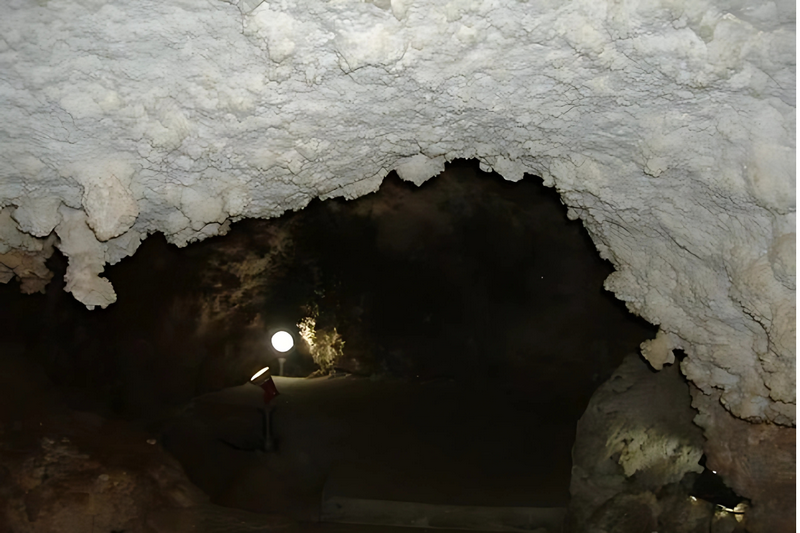
Kaew Komol Cave can add a geological dimension to a journey that includes Ban La-Up. Its cave environment offers a different way to understand the Mae La Noi area, shifting attention from community landscapes and mountain roads to the natural formations beneath the surface. Visitors should check current access information and local guidance because cave conditions, conservation needs, and visitor arrangements can change.

Placed thoughtfully within a driver route, the cave can provide contrast without competing with the village. Travelers interested in both cultural and natural points of interest may find this combination useful, provided the day allows enough time for safe travel and unhurried observation. The attraction should be treated as a protected natural site rather than as a backdrop for careless touching or collecting.

Huai Hom Karen Village

Travel photograph selected for Huai Hom Karen Village destination guide.

Huai Hom Karen Village offers additional community context for travelers exploring the highland areas of Mae Hong Son. Like any living settlement, it should be approached as a home and working environment, not as a performance venue. Visitors benefit from learning through respectful observation, following local instructions, and asking before taking photographs or entering spaces that appear private.

Including Huai Hom Karen Village in the same regional conversation as Ban La-Up can help travelers appreciate that Mae Hong Son contains diverse communities and landscapes. The two places should not be treated as interchangeable, and no single visit can represent every local experience. A considerate driver tour allows each community to be encountered on its own terms, with realistic timing and attention to local dignity.

A More Considered Way to Reach Ban La-Up

Ban La-Up is best approached as a community within the Mae La Noi landscape, not as a quick item to be collected on a crowded schedule. A driver journey from Chiang Mai can simplify the practical challenge of reaching Mae Hong Son Province, but good planning still depends on clear questions, realistic timing, and respect for local life. With nearby natural and community points of interest considered carefully, the route can become more than transport between landmarks. It can offer a balanced understanding of the region’s roads, mountains, settlements, and living cultural context.

Sunday, November 22, 2026

Kaew Komol Cave on a Mae Hong Son Driver Tour

Kaew Komol Cave on a Mae Hong Son Driver Tour

A practical route-planning guide for combining a remarkable cave with Mae La Noi’s wider regional attractions

Travel photograph selected for Kaew Komol Cave destination guide.

Kaew Komol Cave is a natural attraction in Mae La Noi District, Mae Hong Son, and it offers a different kind of stop from the province’s viewpoints, temples, and village visits. The cave is known for its mineral formations, including delicate crystal-like surfaces that make the underground environment especially distinctive. For travelers moving through the province by road, it can serve as a focused nature stop within a broader itinerary rather than an isolated destination. The practical advantage of visiting with a driver is flexibility. Mae Hong Son routes are mountainous, winding, and often better enjoyed at a measured pace. A private vehicle arrangement can make it easier to allow time for the cave, adjust the day around road conditions, and connect the visit with communities and landscapes in the Mae La Noi area. This guide explains how to think about that journey, what to expect from the attraction, and how nearby stops can give the route more regional depth.

Why Kaew Komol Cave Belongs on a Regional Route

Kaew Komol Cave sits in a rural part of Mae La Noi District, so the journey is as much about regional movement as it is about the cave itself. Its alternative names, including Tham Kaew Komon, Tham Kaeo Komon, and Kaeo Komon Cave, may appear in maps or travel references. Recognizing these variations can be useful when checking route information, especially because English transliterations are not always consistent. The attraction is generally treated as a natural and geological site, with the underground formations providing the main reason to visit.

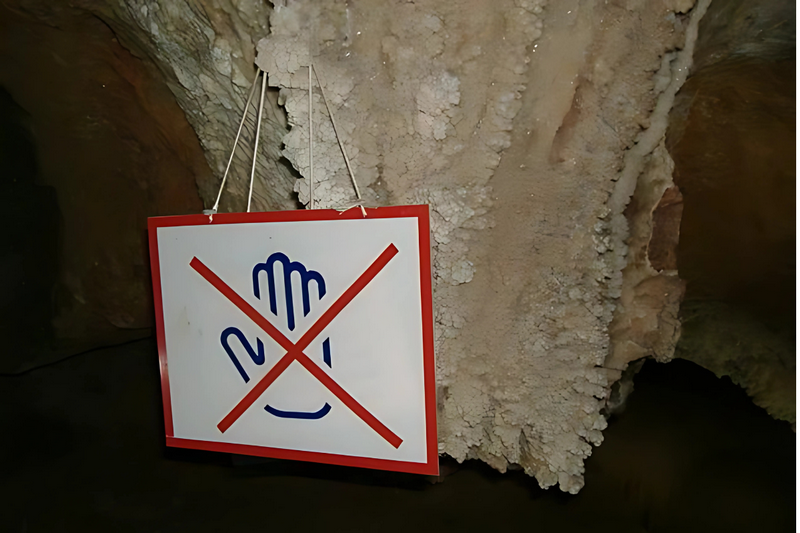
Inside, the experience is more specialized than a broad outdoor viewpoint. Visitors should expect a cave environment where mineral deposits and formations are the focus, with walking conditions that may differ from ordinary sightseeing. The exact experience can depend on access arrangements, maintenance, weather, and local visitor guidance. It is sensible to follow posted instructions, avoid touching formations, and wear footwear suitable for potentially uneven or damp surfaces. Protecting the cave matters because mineral growth is fragile and changes slowly.

For a road-trip traveler, the attraction works best when placed into a route with realistic timing rather than treated as a quick detour. The mountainous setting can make distances feel longer than they appear on a map. A driver familiar with the area may help coordinate the approach, waiting time, and onward journey, while travelers can concentrate on the scenery and the sequence of stops. This is the central planning value of including the cave in a regional itinerary.

Planning a Chiang Mai to Mae Hong Son Driver Tour Package

People searching for a Chiang Mai To Mae Hong Son Driver Tour Package are often comparing convenience, route coverage, and the amount of time available for stops. Kaew Komol Cave should be discussed as one part of the route, not assumed to be included in every package. Before confirming any arrangement, travelers should identify the intended travel dates, the preferred sightseeing pace, the number of passengers, and whether the route is a direct transfer or a wider circuit through Mae Hong Son Province.

Travel photograph selected for Mae Hong Son destination guide.

A driver-led journey can be particularly useful when the itinerary includes several rural attractions. The driver may help with navigation and road awareness, but visitors should still ask clear questions about the planned route, the approximate time allocated for each stop, and whether entry arrangements are handled separately. Availability and local access can change, so responsible planning avoids promising a fixed experience before current information has been checked.

The route should allow for breaks and changing conditions. Mountain roads may involve sharp bends, elevation changes, and slower progress than travelers expect from urban maps. Starting with a generous schedule can reduce pressure and leave room for photographs, meals, short walks, or an unexpected delay. Travelers who are sensitive to winding roads may prefer regular pauses and should consider this when deciding how many attractions to combine in one day.

Travel photograph selected for Kaew Komol Cave destination guide, Kaew Komol Cave main article view 2 2

A useful way to brief a driver is to divide the day into priorities. First, mark the cave as a main nature stop. Next, identify one or two additional places that fit the same geographic direction. Finally, keep some flexibility instead of filling every hour. This approach makes the journey more comfortable and helps prevent the common mistake of measuring a successful tour only by the number of locations visited.

Placing the Cave Among Mae Hong Son Tourist Attractions

The province offers a varied collection of experiences, and the cave adds geological interest to that mix. Other Mae Hong Son Tourist Attractions may appeal to travelers through mountain scenery, local history, religious architecture, agricultural landscapes, or community-based visits. The value of a driver tour is the ability to connect these different themes across a road journey while keeping the cave as a clearly defined stop.

Mae La Noi District is especially suited to travelers who want to look beyond a single town center. The landscape includes steep hills, forested areas, cultivated slopes, and settlements spread along roads and valleys. These views are part of the journey, not merely scenery between attractions. A careful itinerary gives passengers time to observe the changing landscape without turning local communities into spectacles. Photographs should be taken respectfully, particularly around homes, farms, and village activities.

A visit to the cave also benefits from modest expectations. It is not necessary to describe every formation with dramatic claims; the interest lies in the cave’s mineral character, its setting, and the contrast between the underground environment and the open mountain roads outside. Travelers who enjoy natural science, quiet exploration, or less conventional stops may find it a worthwhile addition, while those seeking a long adventure walk should confirm the current visitor conditions before planning.

For independent travelers using a driver, written notes or an offline map can help communicate the intended destination. The names Kaew Komol Cave Mae Hong Son and Kaew Komol Cave Mae La Noi may be useful search phrases, but local confirmation remains important because map labels and transliterations can vary. Keeping the attraction’s location and nearby route points together reduces confusion when planning a multi-stop day.

Travel photograph selected for Kaew Komol Cave destination guide, Kaew Komol Cave main article view 3 2

Practical Comfort and Responsible Cave Visits

Convenience begins before arrival. Travelers should check current opening information, access conditions, and any local requirements shortly before setting out, since these details can change. It is also wise to carry water, sun protection for outdoor waiting areas, and a light layer for shifts between the warm road environment and the cooler cave interior. Comfortable shoes are more useful than fashionable footwear when the ground may be uneven.

The cave should be approached as a protected natural environment. Visitors should stay on designated paths, follow staff instructions, and avoid taking rocks or mineral material. Flash photography, noise, or physical contact may be restricted in sensitive areas, so the local rules should take priority over personal preferences. These simple habits protect the formations and make the space more pleasant for other visitors.

Families and older travelers may wish to ask about walking distance, steps, lighting, rest points, and the surface underfoot before committing to the stop. The same questions are relevant for anyone with limited mobility or a strong reaction to enclosed spaces. A driver can make the approach easier, but vehicle access does not necessarily mean every part of the attraction is fully accessible. Confirming practical details in advance supports a more comfortable decision.

When building a Kaew Komol Cave Travel Guide for personal use, include travel time, the expected length of the visit, and a buffer for the return journey. Avoid combining too many distant stops simply because they appear close on a provincial map. A calm itinerary allows the cave to be appreciated as a distinct landscape feature while leaving enough energy to notice the communities and countryside along the way.

Extending the Mae La Noi Journey

Once the cave has been given enough time, the surrounding route can broaden the day without losing its regional focus. Two community-based stops may be considered, provided that access and local welcome are confirmed rather than assumed.

Ban La-Up

Travel photograph selected for Ban La-Up destination guide.

Ban La-Up can extend the route beyond the cave into a community setting in the Mae La Noi area. Travelers should approach the village as a lived-in place rather than a staged attraction. A respectful visit means observing local guidance, asking before photographing people or private areas, and supporting any officially offered activities in an appropriate way. The stop may suit visitors who want a stronger sense of the region’s everyday landscapes after spending time underground.

When pairing Ban La-Up with the cave, allow the driver to place the stops in a practical order based on current road conditions and local access. The contrast can be meaningful: the cave focuses attention on mineral formations and enclosed space, while the village context brings the journey back to fields, homes, roads, and mountain views. Neither stop needs to be rushed to make the route feel productive.

Huai Hom Karen Village

Travel photograph selected for Huai Hom Karen Village destination guide.

Huai Hom Karen Village may be considered as another regional extension for travelers interested in community landscapes and a slower overland itinerary. Visitors should avoid treating the community as an exotic backdrop or making assumptions about local customs. The most appropriate approach is to use locally provided information, respect private life, and understand that community visits depend on local welcome and current conditions.

As part of a driver-led route, the village can complement the cave by adding human and agricultural context to a nature-focused day. It may require careful route planning, so travelers should confirm the direction, road conditions, and time implications before including it. Keeping the itinerary flexible allows the visit to remain respectful and prevents pressure on residents or on the travelers themselves.

A More Manageable Way to See Mae La Noi

Kaew Komol Cave is most useful in an itinerary that values pacing, natural detail, and regional context. A driver can simplify the winding journey and help connect the cave with Mae La Noi’s wider attractions, but travelers should still verify current access information and set realistic expectations for road time. With respectful behavior, suitable footwear, and room for changing conditions, the visit can become a well-balanced part of a Mae Hong Son journey rather than a rushed stop between destinations.

Old Rubber Tree Road for a Calm Chiang Mai Day Out

Old Rubber Tree Road for a Calm Chiang Mai Day Out

A practical route for relaxed sightseeing between Chiang Mai and Lamphun

Travel photograph selected for Old Rubber Tree Road destination guide.

A day trip does not always need a packed schedule. For travelers who prefer changing scenery, quiet observation, and a few carefully chosen stops, Old Rubber Tree Road offers a more measured way to see the area south of Chiang Mai. The route is associated with Saraphi District and continues toward Mueang Lamphun District, where rows of mature roadside trees create a distinctive landscape between the two provinces. The road is best approached as a sightseeing corridor rather than a single attraction with a fixed program. Its appeal comes from the transition between urban Chiang Mai, greener roadside stretches, village surroundings, and the historic atmosphere of Lamphun. This makes it useful for an unhurried half-day outing or as one part of a broader regional itinerary. This guide focuses on planning rather than package tours or strict schedules. It explains how to make the road the central experience, what to notice along the way, and how to combine it with two contrasting stops: Wat Phra Yuen and Art in Paradise Chiang Mai. Together, these options allow Chiang Mai Day Trips And Sightseeing to include natural scenery, cultural reflection, and indoor visual entertainment without making the day feel overfilled.

Begin with the Road as the Main Experience

The most useful way to plan a visit to The Rubber Tree Road is to treat the journey itself as the attraction. Instead of rushing from one landmark to another, allow time to notice the repeated lines of trees, the changing light, roadside homes, and the ordinary activity of communities along the route. The setting is not a theme park or a formal museum, so its character is found in the landscape and in the rhythm of traveling through it.

The road connects the Chiang Mai area with Lamphun and is commonly linked with the old trees that shade sections of this regional route. Their presence gives the journey a strong visual identity, particularly for visitors looking for an alternative to busy city sightseeing. A short stop for photographs may be appropriate where it is safe and does not obstruct residents, cyclists, or other road users. Travelers should avoid climbing trees, entering private land, or treating homes and local activity as background props.

This kind of outing suits people who enjoy flexible pacing. A visitor might spend the first part of the day following the tree-lined route, pause for a meal or refreshment in an appropriate public setting, and then continue toward a temple or return to Chiang Mai for an indoor attraction. The exact order can change according to weather, personal interests, and available time. The important planning decision is to leave space for observation rather than measuring the experience by the number of stops.

What to Notice During the Sightseeing Drive

Sightseeing along this route is primarily visual and contextual. Look for the way mature trees frame the road, how the canopy changes the feel of the journey, and how the built environment gradually gives way to a less concentrated landscape. These details help explain why a regional road can be meaningful to visitors even when it has no entrance gate, ticket counter, or single viewing platform.

Travel photograph selected for Old Rubber Tree Road destination guide, Old Rubber Tree Road main article view 2 2

The route also encourages a broader view of northern Thailand. Chiang Mai and Lamphun are close enough to combine in one outing, yet they offer different layers of urban, religious, and historical character. The road creates a link between them that can be appreciated slowly. Rather than presenting local communities as an exotic spectacle, responsible sightseeing means recognizing that this is a lived-in route used for daily movement and work.

Photography is one possible activity, but it should remain secondary to safety and respect. Do not stop in the middle of the road or stand in traffic lanes for a better angle. Ask before photographing people, businesses, or private property. If a roadside area appears busy or unsuitable for stopping, continue onward and appreciate the scenery from a safe position. These simple choices make the visit more considerate and usually produce a calmer experience as well.

Weather can change the character of the outing. Bright conditions may emphasize the repeating trunks and shadows, while overcast weather can make the landscape feel softer and more subdued. A flexible plan is therefore more practical than one dependent on perfect photographic conditions. If the heat becomes uncomfortable, a shorter road segment followed by an indoor or temple visit can preserve the day’s balance.

Build a Flexible Chiang Mai Excursion

A practical day plan begins by deciding how much time should be devoted to the road itself. Visitors interested in landscape may prefer a slower journey with occasional safe pauses. Those using the route as a connecting experience may spend less time outside and reserve more of the day for Lamphun or central Chiang Mai. Both approaches are valid, and neither requires a rigid itinerary.

Travel photograph selected for Old Rubber Tree Road destination guide, Old Rubber Tree Road main article view 3 2

Tours in Chiangmai can take many forms, but this destination is especially suitable for a private or self-directed sightseeing style in which the pace can respond to the surroundings. If joining a guided outing, it is sensible to confirm that the plan allows genuine viewing time rather than treating the road only as a passing transfer. A guide may also help explain the regional setting, but visitors should still expect the experience to be based on scenery rather than a long list of formal exhibits.

A useful planning framework is to choose one primary theme and one supporting theme. The primary theme might be the tree-lined road and the relationship between Chiang Mai and Lamphun. The supporting theme could be a temple visit, a creative indoor attraction, or general city sightseeing. Selecting only one or two additions keeps the day manageable and reduces the temptation to spend more time in transit than at the places being visited.

Practical preparation is uncomplicated but worthwhile. Carry water, sun protection, and comfortable clothing for a warm outdoor environment. Wear suitable clothing when including a temple, with shoulders and knees covered where appropriate, and behave quietly in worship spaces. Keep an eye on traffic, especially when crossing or considering a photograph. Because roadside conditions and local access can vary, visitors should check current maps and local guidance before setting out rather than relying on assumptions about stopping points.

Choose a Route Combination That Matches Your Pace

For a relaxed day, make the road the morning focus and add one substantial stop afterward. This gives the tree-lined scenery enough attention while leaving room for a meaningful visit elsewhere. A traveler interested in heritage might continue toward a temple setting, while someone seeking a more playful city experience could return toward Chiang Mai for an interactive indoor attraction.

Travel photograph selected for Old Rubber Tree Road destination guide, Old Rubber Tree Road main article view 4 2

Another option is to use the route as one section of a Chiang Mai–Lamphun sightseeing loop. In this format, the road provides the transition between destinations instead of being treated as a quick photo stop. The benefit is a stronger sense of place: the day includes not only individual landmarks but also the landscape connecting them. The drawback is that too many extra stops can make the schedule tiring, so it is better to select carefully.

The Rubber Tree Road can also work for repeat visitors who have already seen central Chiang Mai’s best-known sights. Its appeal is less about checking off a famous monument and more about noticing a regional setting at a slower speed. That makes it a useful choice when the goal is a change of pace, a scenic drive, or a gentle introduction to the area south of the city.

When planning the Rubber Tree Road Chiang Mai-Lamphun experience, allow the route to remain open-ended. Local traffic, weather, road activity, and personal energy may influence the day. A successful outing does not depend on completing every possible attraction. It depends on choosing a realistic combination and leaving enough attention for the landscape that made the route worth visiting.

Two Thoughtful Additions to the Route

Once the tree-lined journey has provided its main scenic impression, a carefully chosen additional stop can give the day more variety. These two options offer different kinds of attention: one is contemplative and cultural, while the other is creative and interactive.

Wat Phra Yuen

Travel photograph selected for Wat Phra Yuen destination guide.

Wat Phra Yuen offers a cultural continuation for travelers who want the day to include a respectful temple visit. As with any active religious site, visitors should enter quietly, dress appropriately, follow posted guidance, and avoid interrupting worship or community activities. The value of the stop is not only visual; it also provides a chance to understand how religious spaces remain part of everyday life in the region.

Placed after the slower road experience, the temple can add a more reflective dimension to the itinerary. Take time to observe architectural details and the arrangement of the grounds without turning the visit into a rushed photo session. Travelers should also remember that temple spaces are places of devotion, not simply sightseeing backdrops. A calm visit pairs naturally with the measured pace of the road.

Art in Paradise Chiang Mai

Travel photograph selected for Art in Paradise Chiang Mai destination guide.

Art in Paradise Chiang Mai provides a contrasting option for the same day. Its indoor, illusion-oriented presentation gives visitors an opportunity to interact with visual artworks and take photographs in a more structured setting. This can be a useful change after time spent outdoors, especially when travelers want a creative activity rather than another landscape view.

The attraction suits an itinerary built around variety: the road supplies open-air scenery, while the museum-style experience offers visual play and a different pace of engagement. Visitors should follow the venue’s current instructions and respect other guests while taking photographs. Pairing the two stops works best when the road remains the day’s regional sightseeing focus and the indoor visit serves as a complementary finish rather than the main reason for traveling south.

Let the Landscape Set the Pace

Old Rubber Tree Road is most rewarding when approached without pressure to turn every minute into an attraction. Give the trees, surrounding communities, and changing route enough attention, then add one nearby experience that matches your interests. With Wat Phra Yuen for a quieter cultural stop or Art in Paradise Chiang Mai for a lively indoor contrast, the journey can become a balanced day of regional sightseeing. Plan carefully, travel respectfully, and leave room for the road itself to shape the outing.

Friday, November 20, 2026

Pong Dueat Geyser and Thoughtful Driver Tours from Chiang Mai

Pong Dueat Geyser and Thoughtful Driver Tours from Chiang Mai

A calm nature guide to geothermal landscapes, flexible road travel, and respectful regional exploring

Travel photograph selected for Pong Dueat Geyser destination guide.

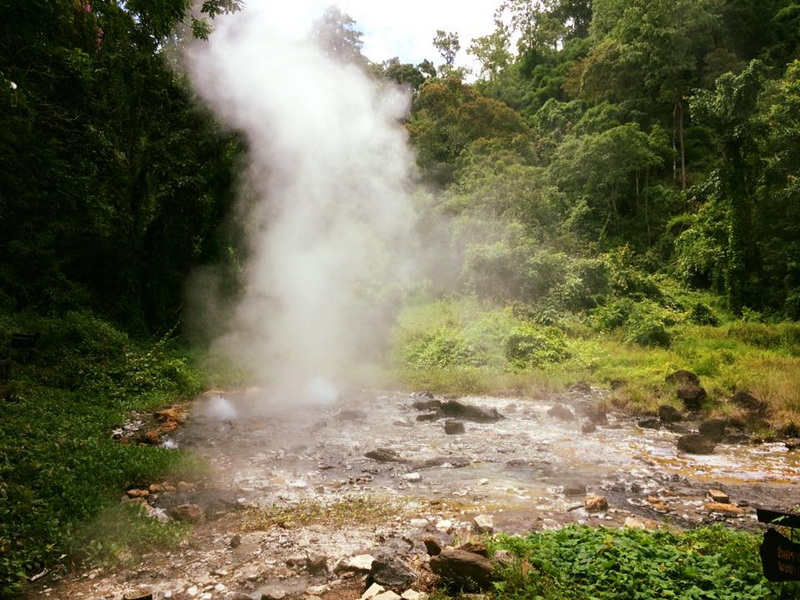
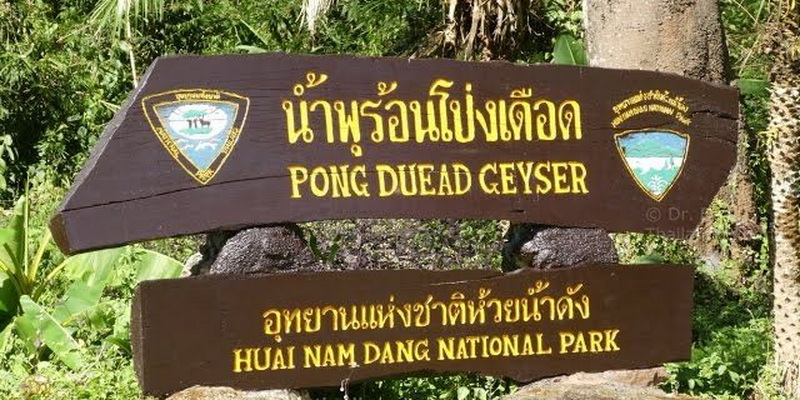
In the forested hills of Mae Taeng District, Chiang Mai, geothermal water rises through the ground at Pong Dueat Hot Spring. The site is commonly called Pong Dueat Geyser because heated water periodically surges from the earth, creating a distinctive natural feature rather than an ordinary bathing pool. Steam, mineral-rich water, and surrounding woodland give the area a quiet geological character that rewards slow observation. The spring also fits naturally into a broader journey toward northern mountain districts. A private vehicle with a driver can make the road experience more comfortable for visitors who prefer to pause at viewpoints, nature sites, or villages without managing every turn themselves. This guide considers the spring first as a living landscape, then places it within the practical context of a Chiang Mai to Mae Hong Son journey. Conditions, access arrangements, and conservation rules can change, so visitors should confirm current information before setting out. The most responsible approach is to treat the hot spring as a protected natural environment, follow local instructions, and allow enough time to appreciate the setting rather than rushing through it.

How the geothermal landscape reveals itself

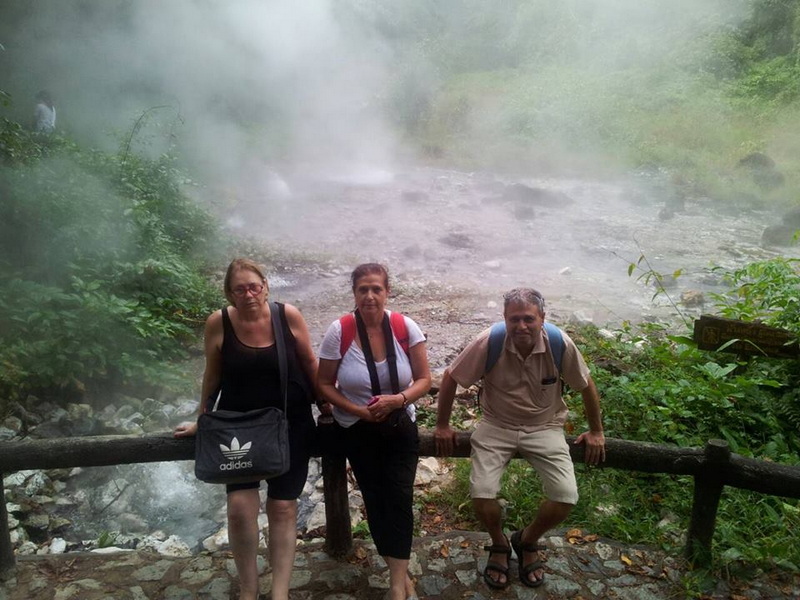
Pong Dueat Hot Spring is a geothermal attraction in a wooded mountain environment. Rainwater and groundwater move below the surface, where heat from deeper geological layers raises the water temperature. The heated water then returns upward through cracks and channels in the rock. At Pong Dueat, this process can be seen in steaming pools and the spring’s occasional upward bursts, which explain the name Pong Dueat Geyser.

The natural drama is subtle between eruptions. Visitors may notice vapour hovering above the water, damp vegetation near the spring, and the contrast between hot mineral water and the cooler forest air. The soundscape is often as important as the visible feature: bubbling water and insects replace the noise of an urban attraction. These details make the site especially suitable for nature lovers interested in geology and changing landscapes.

Water close to the source can be dangerously hot. It should not be touched unless an area has clearly been designated for safe visitor use, and children should remain closely supervised. The geyser is not a performance arranged for visitors, so its timing and intensity should be regarded as natural and variable. Patience is part of the experience.

A place among Natural Hot Springs Chiang Mai

Natural Hot Springs Chiang Mai are varied in character. Some are developed around bathing facilities, while others are valued mainly for forest scenery, mineral water, or visible geothermal activity. Pong Dueat belongs to the more nature-focused group, where the landscape and the spring’s behaviour are central to the visit. It offers a useful reminder that a hot spring is not simply a swimming destination; it is also evidence of the relationship between water, rock, heat, and vegetation.

Travel photograph selected for Pong Dueat Geyser destination guide, Pong Dueat Geyser main article view 2 2

A visit is best approached as a short interpretive walk and quiet outdoor stop. Wear shoes suitable for damp or uneven ground, carry drinking water, and protect yourself from sun and humidity even though much of the setting is shaded. A light rain layer is useful in northern Thailand’s changeable mountain weather. Keep a respectful distance from steaming areas, stay on established paths, and avoid placing soap, food, or other substances in the water.

The surrounding forest also deserves attention. Hot, wet ground can produce a distinct microenvironment, but that does not mean every plant or animal will be visible during a particular visit. Avoid making assumptions about wildlife encounters and do not disturb plants, rocks, or small water channels. The attraction is more rewarding when observed as a functioning natural system rather than treated as a backdrop for a quick photograph.

Using a driver for the road toward Mae Hong Son

For visitors considering a Chiang Mai To Mae Hong Son Driver Tour Package, Pong Dueat can provide a meaningful early stop on a longer mountain route. The road journey toward Pai and Mae Hong Son is known for curves, elevation changes, and shifting weather. Hiring a driver allows passengers to concentrate on the scenery and conversation instead of navigation, while also making it easier to discuss reasonable pauses along the way.

Travel photograph selected for Mae Hong Son destination guide.

Driver tours can be arranged in different ways, from a direct transfer to a multi-day private journey with selected nature and cultural stops. Because there is no single standard itinerary, travelers should explain their priorities before confirming a vehicle. Useful questions include whether the driver knows the intended route, how much time is available at each stop, whether luggage can be accommodated, and which entrance or activity fees are separate from transport. Current road conditions and local access should also be checked.

A driver does not remove the need for realistic planning. Pong Dueat, Pai, and Mae Hong Son are not interchangeable points on a compact city itinerary, and winding roads can make travel feel slower than the map suggests. Allowing breathing space is especially important if the purpose of the trip is to experience forests and hot springs calmly. A well-planned route should avoid promising too many attractions in one day.

Travelers should also communicate preferences about driving pace, rest breaks, and environmental responsibility. A local driver may offer useful context about weather and road conditions, but visitors should avoid treating informal suggestions as guaranteed access or fixed operating information. Confirm the latest arrangements with the relevant park or attraction before departure, particularly during heavy rain, maintenance periods, or seasonal closures.

Travel photograph selected for Pong Dueat Geyser destination guide, Pong Dueat Geyser main article view 3 2

Planning a careful visit to Pong Dueat Pa Pae Hot Spring

Pong Dueat Pa Pae Hot Spring is often included in journeys between Chiang Mai and the northern mountain region because it combines a distinctive geothermal feature with a forest setting. The name Pa Pae is used in several travel references for this area, while Pong Dueat identifies the spring itself. Reading recent local information before travel can help visitors understand which facilities and paths are available on the day.

A simple visit plan begins with checking the route, weather, and opening information through current official or local sources. Set aside time for arrival, walking, observation, and departure rather than estimating the stop only by the distance between map points. Closed shoes, modest outdoor clothing, water, sun protection, and a small towel are practical choices. If bathing is permitted in a designated pool, follow posted rules and never enter water near the active hot source.

Photography should not take priority over safety. Steam can obscure edges, wet surfaces may be slippery, and the geyser’s movement is not necessarily predictable. Keep phones and cameras secure, remain behind barriers where provided, and do not climb onto fragile ground. Leave no litter and keep voices low enough that the woodland remains a shared environment for other visitors.

The spring can also be a useful pause for reflection during a longer road trip. Instead of measuring the visit by the number of photographs taken, notice the changing temperature of the air, the forest canopy, and the way water emerges from below. That slower perspective helps distinguish this place from commercial spa experiences and supports a more respectful relationship with northern Thailand’s natural heritage.

Extending the Journey Through Mountain Landscapes

Once the geothermal landscape has been given proper time, the surrounding region offers further ways to understand northern Thailand’s forests and travel culture. These additions work best when chosen selectively and checked against current conditions rather than crowded into an inflexible schedule.

Huai Nam Dang National Park

Travel photograph selected for Huai Nam Dang National Park destination guide.

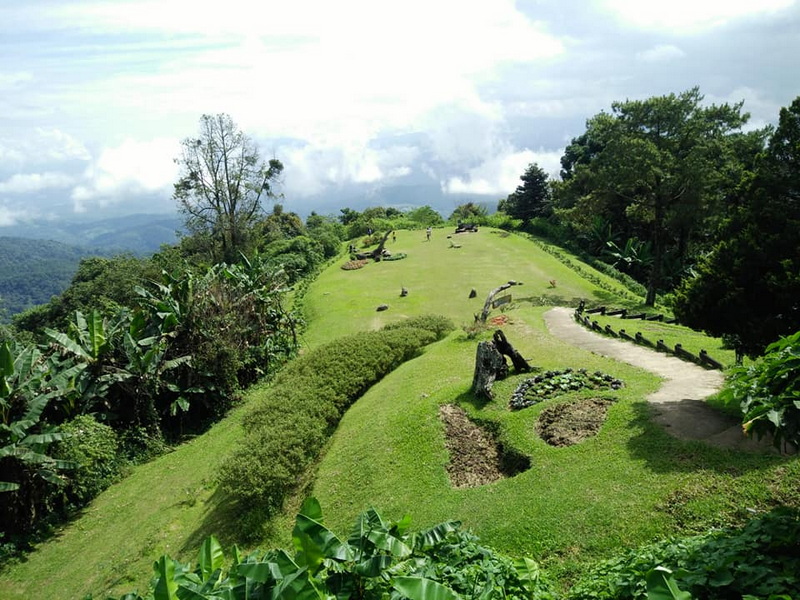
Huai Nam Dang National Park provides a broader mountain context for the spring. Its landscapes include forested ridges, high viewpoints, and areas shaped by seasonal weather. Depending on the route and current access, it may complement a visit to Pong Dueat by showing how geothermal water forms one small part of a much larger upland environment.

Because park conditions can vary, visitors should check current entrance information, road access, and weather before adding the park to a driver itinerary. Early starts are not automatically necessary for every plan, and claims about specific views or conditions should not be treated as guarantees. The most considerate visit follows park regulations, avoids damaging vegetation, and recognises that these forests have ecological and community importance beyond tourism.

Kanta Elephant Sanctuary

Travel photograph selected for Kanta Elephant Sanctuary destination guide.

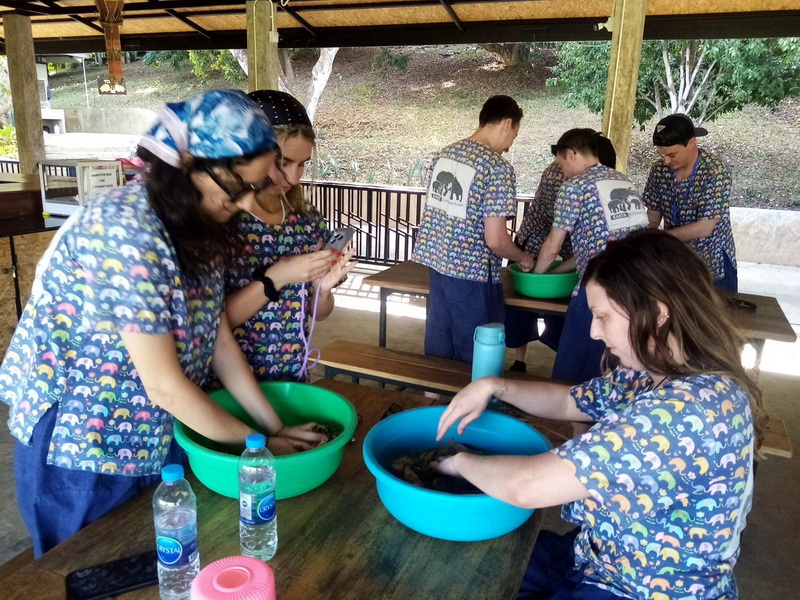
Kanta Elephant Sanctuary can add an animal-welfare perspective to a northern Thailand journey, but it should be approached through careful research rather than assumptions. Before visiting, check the sanctuary’s current policies, the type of visitor interaction offered, group size, and how elephant care is explained. Practices can change, and responsible facilities should place the animals’ welfare ahead of entertainment.

A private driver may make it easier to coordinate a nature-focused route that includes both the hot spring area and an elephant-care visit, although travel time and access arrangements need to be confirmed independently. Visitors should follow staff instructions, avoid feeding or touching animals unless explicitly permitted, and respect photography rules. Connecting the two experiences thoughtfully allows the trip to include both geothermal nature and a discussion of responsible wildlife tourism without reducing either to a quick checklist stop.

Let the Landscape Set the Pace

Pong Dueat Pa Pae Hot Spring is most memorable when approached as a natural process rather than a staged attraction. Its steaming water and intermittent geyser activity offer a clear glimpse of the heat moving beneath Chiang Mai’s mountain landscape. Combined with a carefully planned driver journey, the spring can become a calm and informative pause on the road toward Mae Hong Son. Confirm current conditions, travel with patience, and leave the forest as undisturbed as possible; those choices give the visit lasting value.