Kad Luang Shopping Routes and Tour Ideas in Chiang Mai
A practical plan for market browsing, guided outings, and cultural stops around Chiang Mai
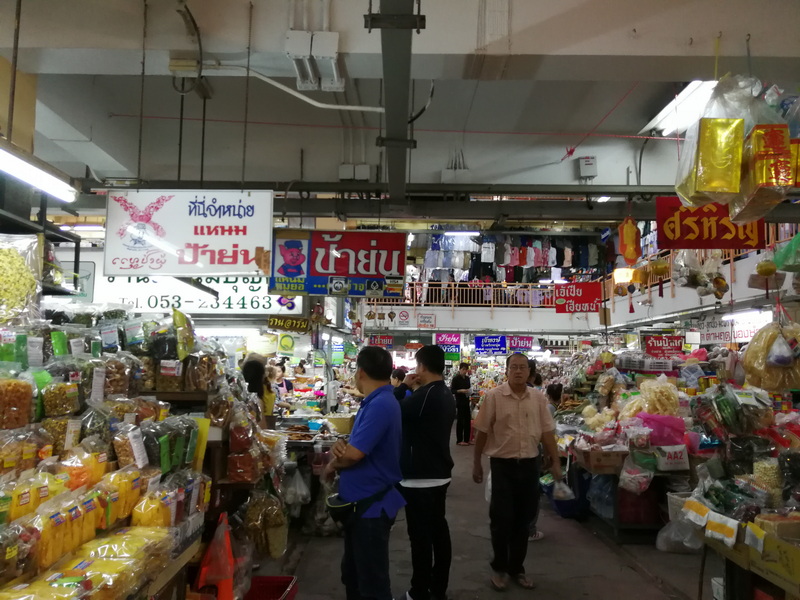
Kad Luang is the familiar local name for the market area commonly known as Warorot Market, a useful starting point for travelers who want shopping to shape their Chiang Mai plans. Rather than treating the market as a quick souvenir stop, build time around its different levels, lanes, and surrounding stalls. The experience works best when you arrive with a flexible list: regional snacks, dried ingredients, household goods, textiles, small gifts, or simply a closer look at everyday commerce in Mueang Chiang Mai District. This Chiang Mai Shopping Guide also considers how a market visit can connect with tours in the city. A guided cultural walk, a food-focused outing, or a broader city tour may provide context that is difficult to gather while browsing independently. At the same time, an unhurried market visit gives a tour itinerary a practical, local dimension. The aim is not to prescribe one package or timetable, but to help you arrange a balanced day around shopping, respectful observation, and two worthwhile historic stops.
Start with a Flexible Kad Luang Shopping Route
A useful way to approach Kad Luang is to divide the visit into three purposes: orientation, browsing, and selection. Begin by walking through the main market areas without buying immediately. This first circuit helps you notice where fresh goods, packaged foods, clothing, flowers, kitchen items, and small household products are concentrated. The arrangement can feel busy, so a slow first look makes it easier to return to interesting sections later rather than carrying purchases through every aisle.
Warorot Market is particularly suitable for travelers who want to see more than a display of tourist merchandise. Many goods reflect ordinary cooking, gifting, and household routines in northern Thailand. Packaged snacks and preserved foods are convenient choices for travelers who need items that can travel, while textiles and practical goods invite closer attention to material, size, and care. Product availability changes, so it is wiser to treat the market as a place for discovery than to arrive expecting one exact item.
For shopping etiquette, ask before photographing people, stalls, or products being prepared. Handle goods carefully, keep walkways clear, and allow vendors to explain an item without assuming that every interaction is a performance for visitors. If a purchase is not suitable, a polite refusal is enough. These small habits respect local livelihoods and make the market easier for everyone to share.
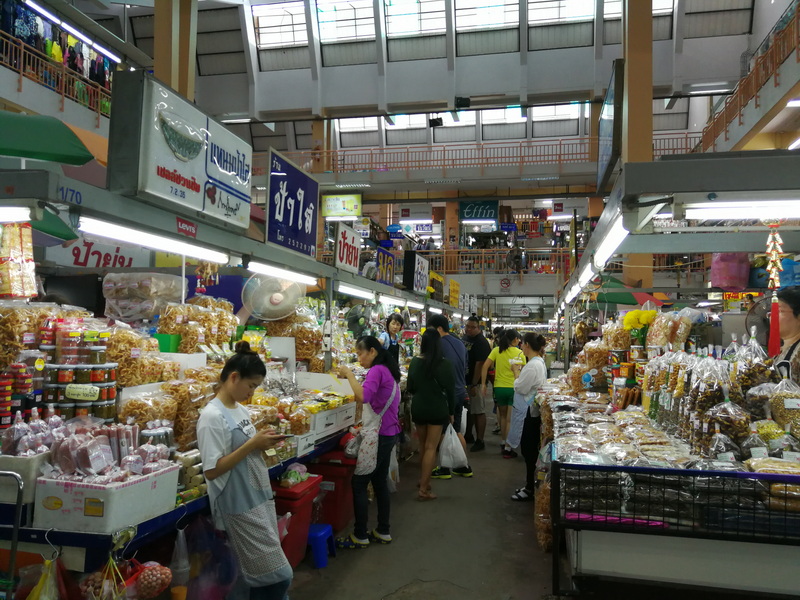
What to Look For and How to Choose
Visitors can organize their shopping list by how they will use an item after leaving Chiang Mai. Edible gifts may include packaged sweets, dried fruit, seasonings, or other regional snacks, but travelers should check ingredients and transport rules before buying food for an international journey. Textiles and clothing can be attractive reminders of the region; examine the weave, stitching, and washing instructions instead of relying only on a broad label about local style.
Small household objects, woven products, and cooking-related goods often appeal to travelers who prefer useful souvenirs. Compare similar items at more than one stall when practical, especially if quality, size, or material matters. Bargaining should never become an aggressive contest. A friendly question about the price, followed by a calm decision to buy or decline, is a more considerate approach than treating the vendor’s work as an obstacle to the lowest possible figure.
A good visit also leaves room for unplanned finds. Keep fragile purchases protected, carry a reusable bag where possible, and remember that a crowded market is not the ideal place to manage a large amount of luggage. Those traveling with a guide can ask for help identifying unfamiliar products or explaining customary uses, while independent shoppers can note stall locations and return after completing their first circuit.
Pair the Market with Tours in Chiangmai
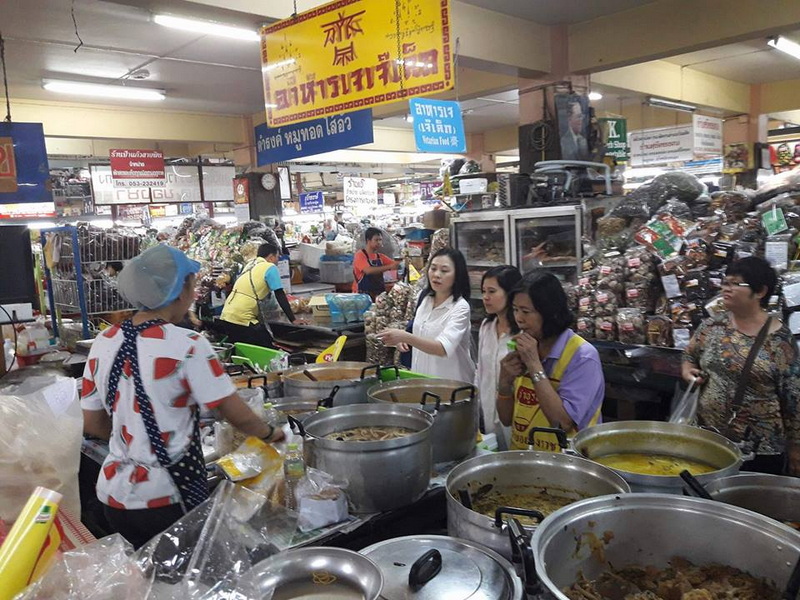
The phrase Tours in Chiangmai covers several kinds of outings, so choose by the experience you want rather than by the title alone. A walking tour may add historical and architectural context, while a food-oriented tour can help explain ingredients and eating traditions encountered around the market. A wider city excursion may suit visitors with limited time, especially if shopping is one part of a day that also includes cultural landmarks.
The strongest pairing usually gives the market enough attention to feel unhurried. If a tour is tightly structured, check whether its meeting point, walking distance, and duration leave realistic time for browsing. When the market is the main priority, a shorter cultural outing may work better than trying to fit several major stops into one day. When the tour is the priority, set a modest shopping list and avoid purchases that are difficult to carry.
A guide can be valuable for interpretation rather than simply navigation. They may clarify the difference between everyday goods and items intended mainly for visitors, describe how ingredients are used, or suggest respectful ways to ask questions. Still, travelers should confirm what a tour actually includes before committing, since meeting arrangements, inclusions, accessibility, and operating details vary between providers. This keeps planning factual and avoids building a day around assumptions.
For an independent plan, place the market during the part of the day when you have the most energy for comparison and walking. Follow it with a slower cultural visit, or reverse the order if you prefer to shop after sightseeing. Keep water, sun protection, and payment preferences in mind, and leave enough flexibility for traffic, weather, and the natural pace of a busy public market.
Build a Courteous Market-and-Culture Day
A practical itinerary can begin with an orientation loop through Kad Waroros, continue with focused shopping, and then move toward a guided or self-directed cultural experience. Write down only a few priorities before setting out: one or two edible gifts, a textile or craft item, and time for observing daily commerce. This prevents the common problem of filling every minute with purchases and missing the character of the place.
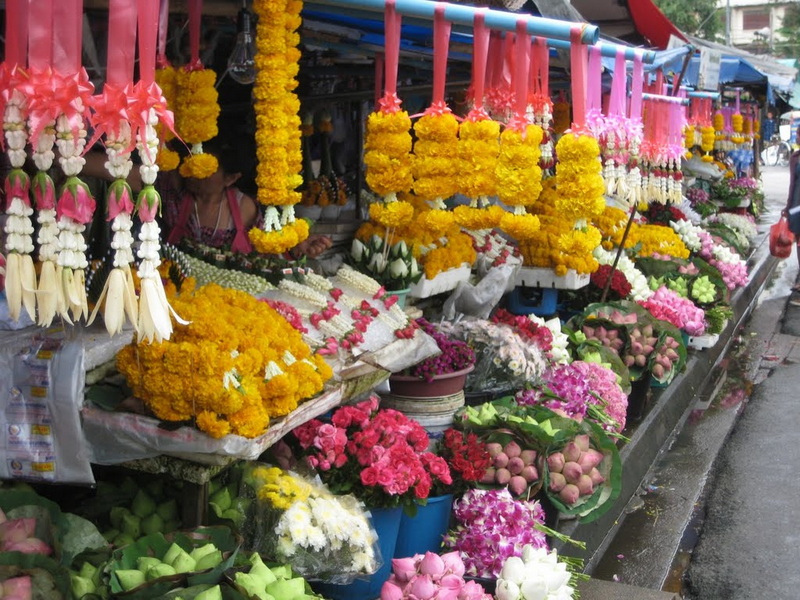
Keep cultural expectations realistic. A market is a working environment, not a staged attraction, and vendors may be concentrating on regular customers. Notice how goods are arranged, how people move through shared spaces, and how products connect with cooking or household life, but avoid turning private interactions into photographs or stories without permission. Respectful curiosity is more useful than searching for a dramatic or supposedly hidden experience.
If you are traveling with companions, agree on a meeting point and a maximum amount to carry. Families may benefit from shorter browsing intervals, while experienced shoppers might prefer several passes through the same area. A tour leader or local guide can help with language and context, but independent travelers can achieve a similarly comfortable visit by allowing extra time and asking questions politely.
The result is a day with a clear rhythm: observe first, shop selectively, learn through a tour or cultural stop, and return to the market only if a planned purchase still makes sense. That sequence supports local sellers while giving visitors a more grounded understanding of Chiang Mai shopping.
Two Meaningful Additions to the Shopping Plan
Once the main shopping route is clear, add one contrasting stop rather than trying to collect every sight in a single outing. These two options create a natural bridge from market browsing to evening activity and historical reflection.
Sunday Night Market Chiang Mai
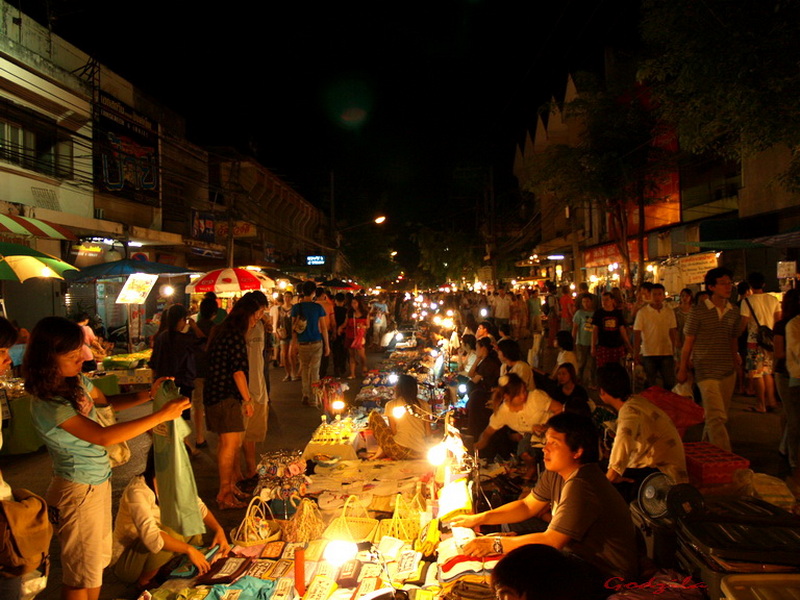
Sunday Night Market Chiang Mai can complement a daytime market visit by offering a different setting for browsing and evening atmosphere. Rather than expecting the two markets to sell exactly the same things, compare how the temporary street layout changes the rhythm of shopping, walking, and street-level encounters. Keep your daytime purchases manageable so you can enjoy the later market without carrying bulky bags.
This pairing suits travelers who want to compare a permanent local market with a scheduled walking market. Check current local information before planning around the Sunday event, and allow extra time for crowds and movement. The best approach is to browse with patience, support makers and sellers fairly, and choose items because they genuinely suit your needs.
Three King Monument
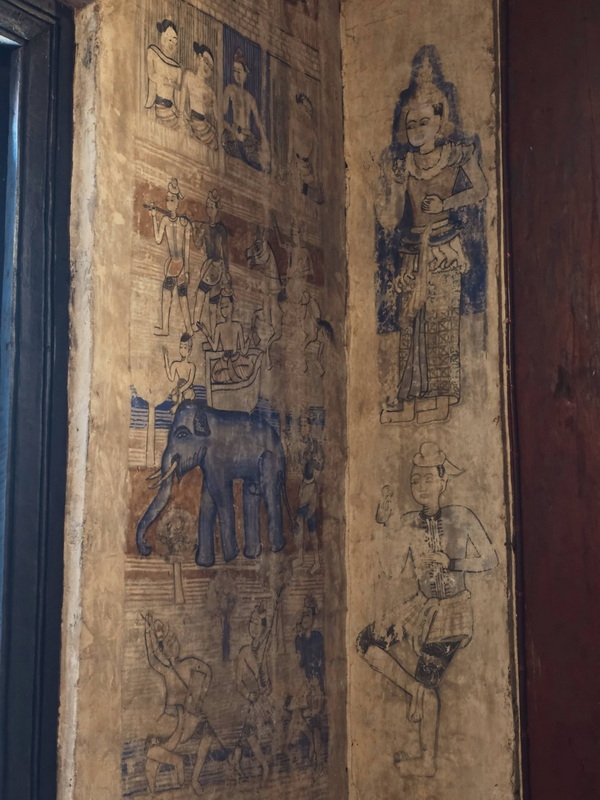
Three King Monument offers a useful cultural counterpoint to the commercial focus of Kad Luang. A visit here can encourage travelers to place Chiang Mai’s urban landscape within a broader historical context, especially after spending time observing present-day trade. Treat the monument area as a place for quiet attention and learning rather than merely a backdrop for hurried photographs.
Its inclusion works well in a tour plan because it shifts the day from products and prices toward public history and civic identity. Combine the stop with a guide or reliable historical material if you want more context, and allow the pace of the visit to differ from the market. That contrast is precisely what makes the overall itinerary feel balanced.
A More Thoughtful Way to Shop in Chiang Mai
Kad Luang works best when treated as part of a day rather than an isolated shopping task. Give yourself time to look before buying, choose items that fit your journey, and use a tour for context instead of expecting it to replace independent observation. Pairing the market with Sunday Night Market Chiang Mai or Three King Monument adds variety without losing the central purpose of the visit. With flexible planning and respect for vendors and shared spaces, a market-and-tour itinerary can feel both practical and genuinely connected to Chiang Mai.

No comments:
Post a Comment