Thursday, July 30, 2026

Discovering Ban Yang Pu Toh Eco Trekking and Ecotourism Villages in Chiang Mai

Discovering Ban Yang Pu Toh Eco Trekking and Ecotourism Villages in Chiang Mai

Exploring sustainable trekking routes and authentic village life in the Chiang Dao region

Tall trees and mountain with a clear blue sky in the background at Ban Yang Pu Toh.

Nestled within the verdant landscapes of Chiang Dao Chiang Mai, Ban Yang Pu Toh offers a unique gateway to eco trekking intertwined with genuine ecotourism village experiences. This area invites nature lovers and responsible travelers to immerse themselves in the tranquil environment of northern Thailand, where the lush jungle paths reveal not only natural beauty but also the cultural richness of local communities. The 1 Day Eco Trekking Chiang Dao Area around Ban Yang Pu Toh is more than just a hike; it is an opportunity to engage with the environment thoughtfully and to understand how ecotourism villages contribute to sustainable tourism. The trekking routes here are carefully designed to minimize environmental impact while showcasing the diverse flora and fauna of the region. Visitors can discover the rhythms of village life, where traditional practices coexist with conservation efforts. This blend of nature and culture situates Ban Yang Pu Toh as a meaningful destination for those seeking a deeper connection with the land and its people. Alongside these adventures, travelers can also explore notable Chiang Mai attractions nearby, enriching their experience with encounters that respect both the environment and the community.

Eco Trekking Routes Around Ban Yang Pu Toh

The trekking trails near Ban Yang Pu Toh are characterized by their integration with the natural landscape, offering routes that gently traverse dense jungle, river valleys, and steep hillsides. These paths are maintained with environmental sensitivity to preserve the local ecosystem and provide a peaceful trekking experience. Hikers can expect to encounter diverse plant species, occasional birdcalls, and glimpses of wildlife, all within a setting that encourages mindfulness and respect for nature. Travelers researching Ecotourism Villages Chiang Mai can use these details when planning the trip.

Two hikers walking through lush tropical forest with tall trees and thick vegetation at Ban Yang Pu Toh.

A typical 1 Day Eco Trekking Chiang Dao Area itinerary takes travelers through shaded forest trails leading to panoramic viewpoints, where the majestic peaks of the Chiang Dao range unfold. The routes connect to the small ecotourism villages, allowing trekkers to witness sustainable farming practices and community-led conservation initiatives firsthand. By choosing these trails, visitors support efforts to reduce environmental footprints while fostering awareness of the region’s ecological significance. Incorporating visits to nearby Doi Luang Chiang Dao and Tham Chiang Dao enhances the experience, providing opportunities to explore limestone caves and mountain ecosystems that are vital to local biodiversity.

Ecotourism Villages and Their Role in Sustainable Tourism

Ban Yang Pu Toh and its surrounding villages are exemplary models of how ecotourism can empower local communities while preserving cultural heritage. These villages engage travelers in authentic experiences such as traditional handicrafts, organic farming, and communal forest stewardship. Visitors gain insight into the daily lives of the villagers, who maintain a deep connection to their land and traditions without commodifying their culture.

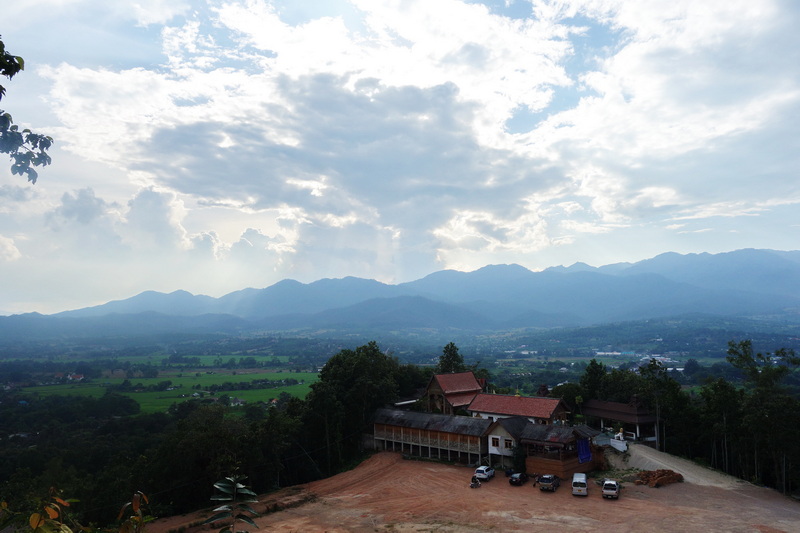
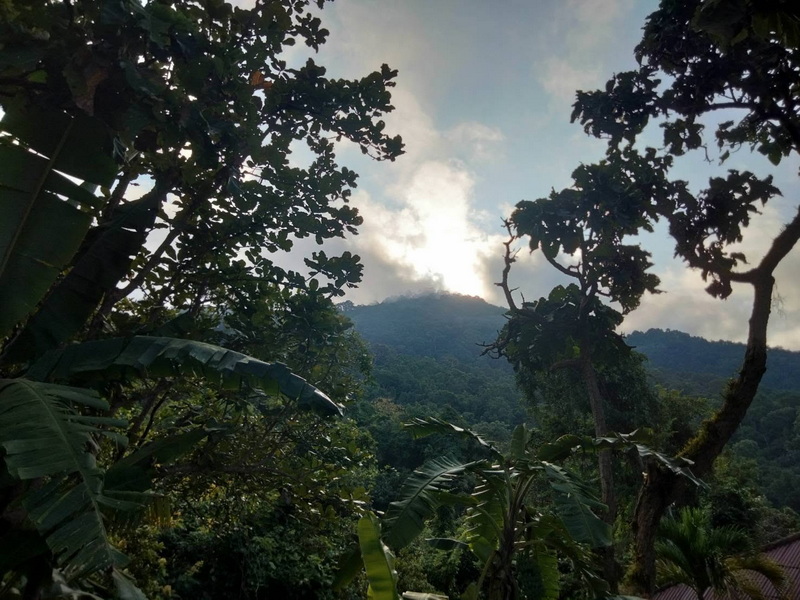
Distant mountain range seen through trees with cloudy sky above at Ban Yang Pu Toh.

The ecotourism villages in Chiang Mai prioritize environmental conservation and social responsibility. They operate with the consent and dignity of their residents, ensuring that tourism benefits are reinvested into community development and ecological protection. This approach fosters a sustainable cycle where tourism supports rather than disrupts village life, making Ban Yang Pu Toh a meaningful destination for travelers committed to ethical and responsible travel. Engaging with these villages offers a chance to learn about local conservation efforts and traditional practices that contribute to the region’s ecological resilience.

Chiang Mai Attractions with an Environmental and Cultural Emphasis

Beyond the immediate trekking and village experiences, the Chiang Dao region offers several nearby attractions that complement the eco trekking adventure. These places highlight the natural beauty and cultural richness of northern Thailand, reinforcing the importance of conservation and respectful tourism. Visitors can explore serene caves, towering limestone mountains, and protected forest reserves that provide habitats for diverse species.

Girl standing next to a pond with greenery and bamboo fencing in background at Ban Yang Pu Toh.

Chiang Mai Attractions in this area often emphasize sustainability, with local guides and communities promoting awareness of environmental challenges and cultural preservation. Visiting sites like Tham Chiang Dao and Doi Luang Chiang Dao allows travelers to witness the region’s geological marvels and biodiversity firsthand. These attractions offer educational opportunities that deepen travelers’ appreciation for the region’s unique ecosystem and heritage. Engaging with these sites encourages a broader understanding of how tourism can coexist harmoniously with nature and local traditions, fostering a sense of responsibility and stewardship among visitors.

Nearby Attractions

Tham Chiang Dao

A dark cave tunnel with a lit pathway and rocky walls on both sides at Tham Chiang Dao.

Tham Chiang Dao is a remarkable limestone cave complex located near Ban Yang Pu Toh, renowned for its impressive stalactites and stalagmites. The cave system is part of a protected area that supports diverse wildlife and rare plant species, making it a significant natural attraction in the Chiang Dao region. Visitors can explore the caves with respect for conservation rules, guided by local experts who share knowledge about the geological formations and ecological importance of the site.

Doi Luang Chiang Dao

Person in red jacket on mountain at sunset with clouds and layered hills behind at Doi Luang Chiang Dao.

Doi Luang Chiang Dao is the third highest peak in Thailand and a majestic natural landmark close to Ban Yang Pu Toh. The mountain and its surrounding park are vital conservation areas, rich in biodiversity and home to many endemic species. Trekking in this area offers an immersive nature experience, with trails that pass through dense forests and open ridges. The park’s management emphasizes sustainable tourism practices to protect this fragile environment while allowing visitors to appreciate its scenic grandeur.

Why This Place Stays With You

Ban Yang Pu Toh stands out as a destination where eco trekking and ecotourism villages converge to offer travelers a meaningful, nature-first experience. This area exemplifies how sustainable tourism can foster environmental stewardship and cultural respect simultaneously. By choosing to explore the 1 Day Eco Trekking Chiang Dao Area, visitors not only enjoy the natural beauty and tranquility of northern Thailand but also contribute positively to the local communities and ecosystems. Nearby natural treasures like Tham Chiang Dao and Doi Luang Chiang Dao further enrich this journey, inviting travelers to witness the harmony between conservation and cultural vitality. For those seeking an informed, ethical, and immersive travel experience, Ban Yang Pu Toh and its surroundings provide a compelling invitation to explore with care and curiosity.

Wednesday, July 29, 2026

Booking Your Tham Chiang Dao Adventure and Exploring Caves Near Chiang Mai City

Booking Your Tham Chiang Dao Adventure and Exploring Caves Near Chiang Mai City

Understanding booking language and discovering natural cave attractions close to Chiang Mai

Paved pathway inside a dark cave with lighting and rocky walls on both sides at Tham Chiang Dao.

When planning a visit to the Chiang Dao area, one phrase that often appears in travel resources is "Book Chiang Dao Cave Experience." This wording is commonly used as a contextual prompt encouraging travelers to secure their opportunity to explore one of northern Thailand’s most impressive natural attractions. While it does not imply a specific tour or package by itself, it signals that Chiang Dao Cave is a highlight among Chiang Mai Attractions and an excellent choice for those interested in caves near Chiang Mai city. Chiang Dao Cave, also known locally as Tham Chiang Dao or Tham Chiang Dao Cave, is a vast limestone cave system offering a unique glimpse into the geological and cultural richness of the region. Visitors who seek to "book" an experience here are usually preparing to engage with a natural wonder that blends stunning stalactites and stalagmites with spiritual elements, as the cave also houses several Buddhist shrines. Beyond Chiang Dao Cave itself, the area surrounding Chiang Dao Chiang Mai features other natural attractions that complement a cave exploration itinerary. These nearby locations provide opportunities for trekking, nature observation, and relaxation in mineral hot springs. This article will clarify the meaning behind common booking phrases, outline the cave options accessible near Chiang Mai city, and introduce nearby natural sites worth visiting.

Clarifying the Meaning of Booking the Chiang Dao Cave Experience

The phrase "Book Chiang Dao Cave Experience" is frequently found in travel guides, blogs, and online resources as a way to encourage visitors to plan ahead for their visit. This phrase is not tied to any single operator or fixed itinerary. Instead, it serves as a general call to action for travelers interested in exploring the cave’s extensive chambers and spiritual sites.

Family standing inside a cave with large, textured rock formations surrounding them at Tham Chiang Dao.

Booking in this context often means securing a guided entry or arranging transportation to the cave, as the site lies about 70 kilometers north of Chiang Mai city. While some visitors explore independently with local guides, others prefer organized tours. However, the phrase itself is more about the anticipation and preparation than about any particular booking detail.

Understanding this helps travelers approach their trip with realistic expectations, focusing on the cave’s natural and cultural significance rather than specific operational details. It is a reminder that Chiang Dao Cave is a key highlight among Chiang Mai Attractions and that planning ahead enhances the visit experience.

Person sitting near Buddhist statues inside Chiang Dao Cave with informational signs at Tham Chiang Dao.

Exploring Caves Near Chiang Mai City

Chiang Dao Cave stands out as one of the most accessible and remarkable caves near Chiang Mai city. It is part of a limestone mountain range that hosts a network of caverns stretching several kilometers. The cave system features large chambers with impressive formations, underground streams, and areas of religious significance marked by statues and shrines.

Aside from Chiang Dao Cave, the region around Chiang Mai offers several other notable caves, although many are located farther from the city center. These caves vary in size, geological features, and visitor accessibility. They contribute to the region’s reputation as a destination for caving enthusiasts and nature explorers alike.

Close-up of mineral stalactites and stalagmites inside a cave at Tham Chiang Dao.

Visitors interested in caves near Chiang Mai city often combine their itinerary with visits to surrounding natural landmarks. The combination of geological wonders and cultural sites creates a rich experience for independent travelers who appreciate both nature and history.

Nearby Attractions to Enhance Your Chiang Dao Cave Visit

While the cave itself is a major draw, the surrounding area offers additional attractions that enrich a visit to Chiang Dao. Two significant nearby natural sites are Doi Luang Chiang Dao and Ban Yang Pu Toh mineral hot springs.

Doi Luang Chiang Dao is the third highest peak in Thailand and part of a protected wildlife sanctuary. It is a popular destination for trekking and nature observation, offering panoramic views and a chance to experience the region’s diverse flora and fauna. For travelers interested in combining cave exploration with mountain scenery, Doi Luang Chiang Dao provides a compelling complement.

Ban Yang Pu Toh mineral hot springs offer a relaxing counterpoint to the adventure of caving and trekking. These natural hot springs are known for their warm, mineral-rich waters and serene surroundings. Visitors often enjoy soaking here to unwind after exploring the caves or trekking nearby trails. The mineral springs reflect the volcanic and geothermal activity underlying the area’s geology, linking naturally with the limestone formations of Chiang Dao Cave.

What Travelers Should Know Before Visiting

Visitors preparing to explore Tham Chiang Dao Cave and nearby attractions should consider a few practical aspects. The cave is located within a rural mountainous area, so transportation options may require advance planning. While the cave itself is open for exploration, some parts can be challenging due to uneven terrain and low lighting.

It is advisable to wear sturdy footwear and bring a reliable light source if exploring independently. Guided tours or local guides can enhance safety and provide educational context about the cave’s geology and spiritual sites. However, booking specifics should be verified independently, respecting the natural and cultural significance without relying on unverified operational claims.

In addition, visitors should allocate sufficient time to appreciate both the cave and the nearby attractions like Doi Luang Chiang Dao and Ban Yang Pu Toh mineral hot springs. These sites offer distinct experiences that together create a well-rounded appreciation of the Chiang Dao area’s natural beauty.

Nearby Attractions

Doi Luang Chiang Dao

Woman in red jacket standing on mountain ridge at sunset with layered mountains and clouds at Doi Luang Chiang Dao.

Doi Luang Chiang Dao is a majestic mountain rising to nearly 2,200 meters and is renowned for its rich biodiversity and scenic trekking routes. The area is part of a wildlife sanctuary that protects a variety of plant and animal species, some unique to northern Thailand. Trekkers often embark on multi-day hikes to summit the peak, which rewards them with sweeping views of the surrounding valleys and distant mountain ranges.

The mountain’s limestone composition ties it geologically to Chiang Dao Cave, and its natural environment offers a broader context for understanding the region’s landscape. For visitors to Chiang Dao, a side trip to Doi Luang Chiang Dao provides an immersive nature experience beyond the cave chambers.

Ban Yang Pu Toh mineral hot springs

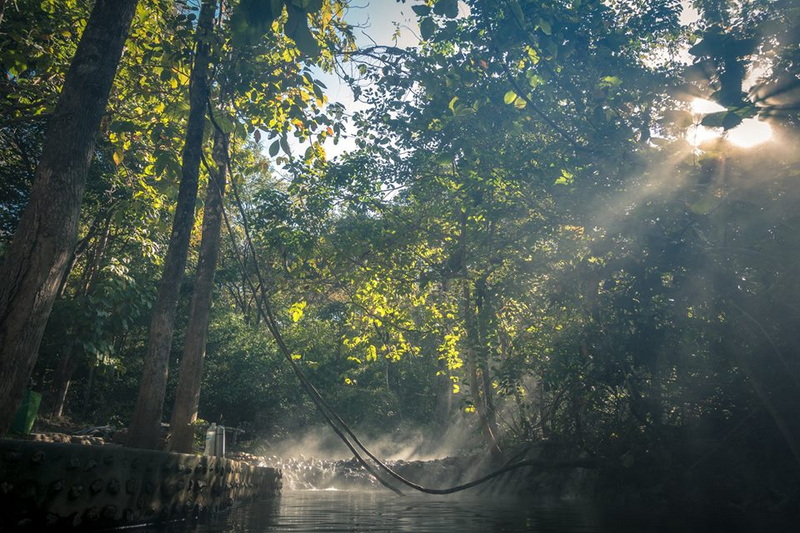
Girl standing next to small pool surrounded by greenery and wooden fencing at Ban Yang Pu Toh mineral hot springs.

Ban Yang Pu Toh mineral hot springs are a peaceful retreat known for their therapeutic waters. These springs emerge from the earth heated by geothermal activity, carrying minerals believed to have health benefits. Nestled in a tranquil setting, the hot springs are ideal for relaxing after a day of exploration in the caves or trekking in the mountains.

The site offers a glimpse into the natural forces shaping the region’s geology, complementing the limestone formations of Chiang Dao Cave. Visitors often come here to soak and rejuvenate, appreciating the quiet atmosphere and natural surroundings.

Why This Place Stays With You

Understanding the phrase "Book Chiang Dao Cave Experience" within the broader context of Chiang Mai Attractions helps travelers approach their visit with clarity and confidence. Tham Chiang Dao offers a unique blend of geological wonder and spiritual heritage, making it a must-see for those interested in caves near Chiang Mai city. Complementing this adventure with visits to Doi Luang Chiang Dao and Ban Yang Pu Toh mineral hot springs enriches the itinerary, showcasing the diverse natural beauty of the region. By planning thoughtfully and respecting the cultural and environmental significance of these sites, independent travelers can enjoy a rewarding and inspiring journey into northern Thailand’s remarkable landscapes.

Sunday, July 26, 2026

Exploring the Doi Luang Chiang Dao Trek and Nearby Natural Wonders

Exploring the Doi Luang Chiang Dao Trek and Nearby Natural Wonders

An insightful overview of trekking routes and private tours around Doi Luang Chiang Dao with highlights on nearby caves and mineral springs

Woman in red jacket on mountain ridge at sunset with layered mountains and sky at Doi Luang Chiang Dao.

Doi Luang Chiang Dao stands as one of Northern Thailand’s most rewarding trekking destinations, offering a blend of rugged mountain terrain, rich biodiversity, and cultural significance within the Chiang Dao Wildlife Sanctuary. For travelers interested in Chiang Mai trekking, this area provides a range of routes that cater to both adventurous multi-day treks and more accessible day hikes. The mountain itself is the third highest peak in Thailand, making the Doi Luang Chiang Dao Trek a notable challenge that draws nature explorers eager to experience its pristine forest park and diverse wildlife. In addition to the trekking routes, private tours in Chiang Mai often incorporate Doi Luang Chiang Dao as a key feature, combining the trekking experience with visits to nearby natural landmarks. Notably, Chiang Dao Cave and the Ban Yang Pu Toh mineral hotsprings stand out as natural treasures that complement the trekking adventure. These sites offer visitors an opportunity to explore limestone caverns or relax in therapeutic hot springs after a day on the trail. This article provides a practical overview aimed at travelers planning their trekking itinerary, highlighting the main routes around Doi Luang Chiang Dao, the role of private tours, and the nearby attractions that enrich the overall experience.

Trekking Routes Around Doi Luang Chiang Dao

The trekking opportunities at Doi Luang Chiang Dao cater to a variety of skill levels, from moderately challenging day hikes to demanding multi-day expeditions. The most popular route is the classic Doi Luang Chiang Dao Trek, which typically involves an ascent to the summit, passing through dense forest, limestone cliffs, and diverse flora and fauna. Trekking through the forest park, visitors can expect to encounter a rich mix of wildlife, including various bird species and occasionally larger mammals native to the sanctuary.

For those opting for a multi-day trek, local guides often recommend a two-day itinerary that includes camping near the summit or at designated forest park sites. This allows trekkers to experience the mountain’s stunning sunrise views and cooler temperatures. The trail is known for its steep sections, requiring a reasonable level of fitness and preparedness. In contrast, shorter treks focus on the foothills and accessible forest trails, providing rewarding experiences without the intensity of reaching the peak.

Group hiking in dense forest along muddy trail with lush greenery at Doi Luang Chiang Dao.

The Doi Luang Chiang Dao Trek is also appreciated for its cultural encounters, as the route passes through hill tribe villages where visitors can learn about traditional lifestyles and local customs in a respectful manner. This aspect enriches the trekking experience, offering insight into the human dimension of the region alongside its natural beauty.

Enhancing Your Trekking Experience with Private Tours

Private tours in Chiang Mai play an important role in facilitating a seamless and personalized trekking experience at Doi Luang Chiang Dao. Unlike group tours, private tours offer flexibility in itinerary planning, allowing travelers to tailor the duration, pace, and focus of their trek according to their preferences and physical capabilities. This personalized approach often includes expert guides who provide detailed knowledge about the ecology, geology, and cultural heritage of the area.

These private tours frequently combine trekking with other activities, such as visits to nearby natural landmarks like caves or mineral springs, creating a well-rounded day trip or multi-day adventure. The convenience of private transportation and customized schedules also helps travelers maximize their time and comfort while exploring the remote mountain environment.

Close-up of pink flowering plant with green leaves outside at Doi Luang Chiang Dao.

Understanding the terminology around private tours is useful for travelers: they typically signify smaller groups or solo travelers receiving dedicated attention, which can greatly enhance the educational and immersive aspects of trekking. This approach is especially valuable for those new to trekking or unfamiliar with the region’s terrain and cultural context.

Natural Landmarks Near Doi Luang Chiang Dao Trek

The region surrounding Doi Luang Chiang Dao is rich in natural attractions that complement the trekking experience. Among the most notable is Chiang Dao Cave, a vast limestone cave system known for its impressive stalactites and stalagmites, as well as its spiritual significance to local communities. Exploring the cave offers a fascinating glimpse into the geological history of the area and provides a cooler, sheltered environment that contrasts with the mountain trails.

Sunrise over mountain peaks with a clear sky and layered clouds at Doi Luang Chiang Dao.

Another nearby highlight is the Ban Yang Pu Toh mineral hotsprings, renowned for their warm, mineral-rich waters believed to have therapeutic properties. After a strenuous day on the Doi Luang Chiang Dao Trek, these hot springs offer a natural way to relax and rejuvenate. The springs are set in a peaceful natural setting, enhancing the sense of wellness that comes from connecting with nature.

Together, these landmarks create a diverse itinerary for visitors, balancing physical activity with opportunities for rest and cultural exploration. They also illustrate the variety of landscapes and ecosystems found within the broader Chiang Dao Wildlife Sanctuary and forest park area.

Nearby Attractions

Chiang Dao Cave

Family posing inside a dark cave with large rocks and formations behind them at Chiang Dao Cave.

Chiang Dao Cave is famed for its extensive limestone caverns, featuring a network of tunnels and chambers that stretch deep beneath the mountain. The cave is accessible via guided tours that highlight its natural formations and the cave’s historical and spiritual importance to local hill tribes. Visitors can admire the intricate rock formations and observe bats and other cave-dwelling wildlife in their natural habitat.

Ban Yang Pu Toh mineral hotsprings

Young girl standing by a small hot spring pool in a lush outdoor setting at Ban Yang Pu Toh mineral hotsprings.

Located near Doi Luang Chiang Dao, Ban Yang Pu Toh mineral hotsprings provide a serene setting for relaxation. The hot springs’ warm waters are enriched with minerals believed to aid in muscle recovery and promote overall wellness. The site is less commercialized than other hot springs in the region, offering a more authentic and tranquil experience in nature.

Why This Place Stays With You

Embarking on the Doi Luang Chiang Dao Trek offers an enriching journey through one of Northern Thailand’s most captivating natural landscapes. Whether you choose a challenging ascent to the summit or a gentler hike through the forest park, the trekking routes provide ample opportunities to connect with the region’s diverse wildlife and cultural heritage. Incorporating a Chiang Mai private tour can enhance this experience by providing expert guidance and a tailored itinerary that fits your interests and fitness level. Complementing the trek with visits to nearby attractions such as Chiang Dao Cave and Ban Yang Pu Toh mineral hotsprings adds depth to your adventure, blending physical activity with moments of reflection and relaxation. This balance between exploration and rejuvenation makes Doi Luang Chiang Dao a compelling destination for travelers seeking both natural beauty and practical trip planning. Approaching your journey with an informed perspective will help ensure a rewarding and memorable trekking experience in this remarkable part of Thailand.

Wednesday, February 12, 2025

Pang Ung 8 Reasons to Visit This Stunning Retreat

Pang Ung 8 Reasons Why This Is the Dream Destination in Mae Hong Son

pang ung, pang oung, pang oong, pang ung mae hong son, pang oung mae hong son, pang oong mae hong son

Discover why Pang Ung is a must-visit paradise for nature lovers, adventurers, and those seeking a peaceful escape in Northern Thailand.

Often referred to as the "Switzerland of Thailand," Pang Ung is one of the most breathtaking destinations in Mae Hong Son Province. This serene mountain retreat offers misty mornings, shimmering waters, and lush pine forests, making it a dreamlike escape. Whether you’re looking for adventure, relaxation, or cultural immersion, here are eight reasons why Pang Ung should be on your travel list.

pang ung, pang oung, pang oong, pang ung mae hong son, pang oung mae hong son, pang oong mae hong son

1. Misty Mornings Over the Lake

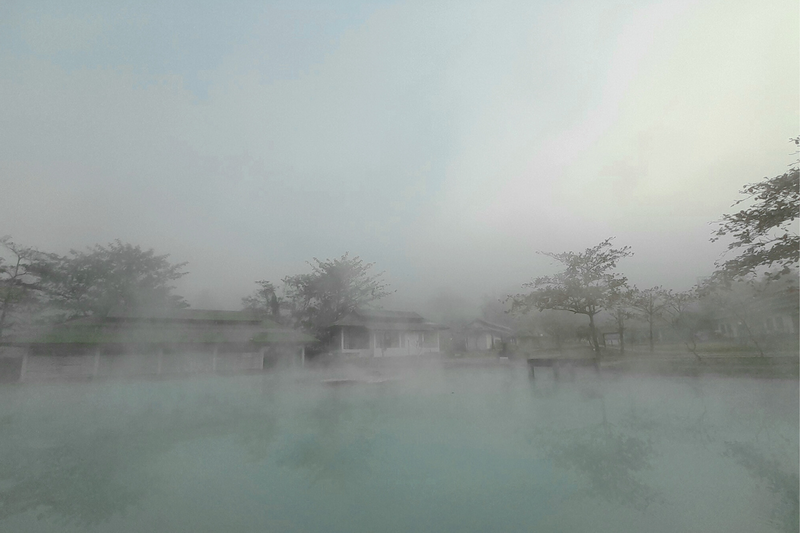
One of the most iconic scenes at Pang Ung is the sight of early morning mist rolling over the still lake. As the sun rises, golden light reflects off the mist, creating a surreal and magical atmosphere. This is the perfect moment to capture stunning photographs or simply take in the beauty of nature.

2. Relaxing Bamboo Rafting Experience

A bamboo raft ride across the calm waters of Pang Ung is a must-do activity. As you drift through the mist, you may spot black and white swans, which were a gift from Her Majesty Queen Sirikit. The gentle movement of the raft and the serene surroundings make this a truly peaceful experience.

pang ung, pang oung, pang oong, pang ung mae hong son, pang oung mae hong son, pang oong mae hong son

3. A Perfect Winter Destination

The best time to visit Pang Ung is from November to February, when the weather is cool, and the mist is at its most enchanting. During this season, the landscape is lush, and the temperatures drop significantly at night, making it the perfect winter getaway in Mae Hong Son Thailand.

4. Immersive Local Culture

Home to the Shan and Thai Yai communities, Pang Ung provides a chance to experience a rich cultural heritage. The locals welcome visitors with warm hospitality, and you can explore traditional villages, learn about their way of life, and even participate in local festivals.

pang ung, pang oung, pang oong, pang ung mae hong son, pang oung mae hong son, pang oong mae hong son

5. Scenic Hiking Trails

For those who love trekking, Pang Oung offers beautiful hiking trails that lead through pine forests, along the lake, and up to stunning viewpoints. The fresh mountain air and panoramic views make these trails ideal for both beginner and experienced hikers.

6. Cozy Accommodations and Camping Options

Visitors can choose between camping by the lake or staying in comfortable homestays. Tent rentals are available for 225 THB per night, with a small 30 THB fee per person for camping space. Homestay prices range from 500–1,500 THB per night, offering an authentic and cozy experience with local hosts.

7. Delicious Local Cuisine

A trip to Pang Oung wouldn’t be complete without tasting Shan-style cuisine. Enjoy delicious Shan noodles, grilled meats, and freshly brewed Ban Rak Thai tea, which is sourced from the nearby village. Local markets and small restaurants offer a taste of authentic Northern Thai flavors.

ban rak thai

8. Nearby Attractions to Explore

Make the most of your trip by visiting nearby destinations such as Ban Rak Thai, a charming Yunnanese village famous for its tea plantations and clay houses. Another highlight is Namtok Pha Suea - Tham Pla National Park, where you can discover stunning waterfalls and caves.

How to Get to Pang Ung

The best way to reach Pang Ung is by private vehicle. The journey from Muang Mae Hong Son takes approximately two hours via scenic mountain roads. If you're exploring the region as part of a Mae Hong Son Tour Package, Pang Ung can be a key stop on your route, whether coming from Pai, Mae Sariang, or Doi Inthanon National Park.

Tuesday, February 4, 2025

Su Tong Pae Bridge A Photographic Journey in Mae Hong Son

Su Tong Pae Bridge A Visual Journey Through Mae Hong Son’s Bamboo Masterpiece

A bridge that changes with the seasons, where monks walk at sunrise, and golden rice fields stretch endlessly beneath your feet—this is Su Tong Pae Bridge.

A Bridge of Spirituality and Scenery

In the heart of Mae Hong Son province, Su Tong Pae Bridge is more than just a crossing—it’s a visual story of faith, unity, and breathtaking landscapes. Every step along this 500-meter-long bamboo bridge reveals a new perspective, a new angle of beauty that transforms with the seasons.

Let’s take a closer look through the lens of a traveler.

1. The First Glimpse

su tong pae bridge, su tong pae bamboo bridge, su tong pae, sutongpae bridge, sutongpae bamboo bridge

The entrance to Su Tong Pae Bridge, where the golden morning light filters through the mist, welcoming visitors to a journey of faith and nature.

The moment you arrive, a sense of calm washes over you. The rustic bamboo walkway stretches far into the distance, surrounded by Mae Hong Son’s peaceful countryside. The bridge was built in 2012 by Ban Kung Mai Sak villagers and monks from Wat Tham Poo Sa Ma, using bamboo and teak wood pillars donated by the community.

2. A Walk Through the Fields

su tong pae bridge, su tong pae bamboo bridge, su tong pae, sutongpae bridge, sutongpae bamboo bridge

Looking down through the gaps in the bamboo planks, the rice fields below create a stunning patchwork of green and gold.

Depending on the season, Sutongpae Bridge offers two completely different experiences:

  • October-November: The fields glow emerald green, signaling the peak of the rice-growing season.
  • December-January: The landscape turns golden, as farmers prepare for harvest, creating a surreal, sun-kissed backdrop.

Each visit promises a different view, making it a photographer’s paradise.

3. The Sacred Morning Ritual

At dawn, monks in saffron robes gracefully walk across the bridge, receiving alms from villagers and visitors.

Every morning at 6:30 AM, the bridge becomes a sacred path as monks leave Wat Tham Poo Sa Ma for their daily alms round. This quiet, spiritual moment—where locals offer food, flowers, and incense—is a must-see experience for anyone visiting Mae Hong Son.

4. Standing Above Generations of Tradition

su tong pae bridge, su tong pae bamboo bridge, su tong pae, sutongpae bridge, sutongpae bamboo bridge

A closer look at the bridge’s foundation, where teak wood pillars and tightly woven bamboo planks form a walkway filled with history.

Built with a budget of 800,000+ Baht, this bridge is not just a practical pathway—it’s a testament to the strength of community spirit. Local farmers even donated their land to ensure its completion. Standing here, you feel connected to both the past and present.

5. The View from the Other Side

su tong pae bridge, su tong pae bamboo bridge, su tong pae, sutongpae bridge, sutongpae bamboo bridge

Reaching the end of the bridge, looking back, you see the perfect balance of nature and human craftsmanship.

The bridge leads directly to Wat Tham Poo Sa Ma, a quiet meditation retreat where travelers can take a moment to reflect and appreciate the spiritual significance of their journey.

6. More Hidden Gems Nearby

ban rak thai

The misty lake of Ban Rak Thai, just a short drive from Su Tong Pae Bridge, offering a completely different kind of scenic beauty.

After soaking in the views of Su Tong Pae Bridge, don’t miss these nearby spots:
Ban Rak Thai – A peaceful Yunnanese village surrounded by tea plantations and mountain mist.
Namtok Pha Suea – Tham Pla National Park – Home to stunning waterfalls and natural caves, ideal for a nature escape.

How to Visit Su Tong Pae Bridge

su tong pae bridge, su tong pae bamboo bridge, su tong pae, sutongpae bridge, sutongpae bamboo bridge

A wooden signpost marking the way to this hidden treasure in Mae Hong Son.

From Muang Mae Hong Son, take Highway 1095 toward Pang Mapha. Drive for 10 kilometers, then turn left at Kung Mai Sak village and continue 1.5 kilometers to the entrance. Parking is available near the site, and the short walk to the bridge is worth every step.

Sunday, February 2, 2025

Ban Rak Thai, Mae Hong Son

Ban Rak Thai A Journey Through Time, Tea, and Tranquility

ban rak thai, baan rak thai, ban rak thai village, rak thai village, baan rak thai village, ban rak thai maehongson, rak thai village maehongson

Walk through the streets of Ban Rak Thai in Mae Hong Son Thailand, where every sip of tea, every boat ride, and every mud-brick house tells a story of resilience and heritage.

Arriving in a Village That Feels Like a Different Era

As I wound my way up the mountainous roads of Mae Hong Son Province, the air grew cooler, and the scent of tea leaves filled the breeze. Then, suddenly, the view opened up—there it was, Ban Rak Thai, a picture-perfect village sitting beside a tranquil lake, its traditional Yunnanese houses reflecting on the still water. It felt like stepping into another world, one where time slowed down and the past whispered through every corner.

But Ban Rak Thai is more than just a beautiful place. It is a village built on survival, war, and cultural fusion, a place where history is felt, tasted, and experienced. I was about to walk through a land where Chinese and Thai cultures coexist, where war left scars but also stories, and where tea is more than just a drink—it is a way of life.
ban rak thai, baan rak thai, ban rak thai village, rak thai village, baan rak thai village, ban rak thai maehongson, rak thai village maehongson

Stepping Into the Past at the Ban Din War Museum

I started my journey not by the lake but by stepping into "พิพิธภัณฑ์สงครามบ้านดิน" (Ban Din War Museum). From the outside, the building looked simple—made from the same mud-brick that many houses in the village were built from. But inside, it was a time capsule, holding the weight of a history few travelers truly understand.

Here, I saw old photographs of Kuomintang soldiers, maps showing their escape from China, and documents detailing their integration into Thai society. The museum tells the story of how former KMT soldiers from the 93rd Division fled Communist China in 1949, seeking refuge in Thailand. Stranded in a foreign land, they built Ban Rak Thai from nothing, crafting a new life through tea farming, trade, and perseverance.

Walking through the museum, I realized that Ban Rak Thai is more than just a scenic village—it is a symbol of resilience and survival.

ban rak thai, baan rak thai, ban rak thai village, rak thai village, baan rak thai village, ban rak thai maehongson, rak thai village maehongson

A Morning Boat Ride Through the Mist

Emerging from the museum, I made my way to the lake, where a traditional wooden boat was waiting. It was just after sunrise, and the mist hung thick over the water. I stepped onto the boat, the wood creaking beneath my feet, and the oars dipped into the calm surface, sending ripples through the reflection of red lanterns and tiled rooftops.

Best times for a boat ride?

  • Morning (6:00–8:00 AM): When the mist is heavy, creating an ethereal, almost mythical atmosphere.
  • After 19:00: When the lanterns light up, and the entire village is reflected in the still, dark water—a magical, almost cinematic experience.

As I drifted across the lake, I felt the silence of history surrounding me. How many people, over the decades, had looked at this water and seen their own reflections—soldiers who had fled war, settlers who built new homes, travelers like me searching for meaning?

ban rak thai, baan rak thai, ban rak thai village, rak thai village, baan rak thai village, ban rak thai maehongson, rak thai village maehongson

Tea, the Soul of Ban Rak Thai

I left the boat ride with a sense of calm—and there was only one thing left to do: drink tea.

Tea is not just a beverage in Baan Rak Thai—it is a way of life, a tradition passed down from the Yunnanese ancestors who first settled here. I sat in a small tea house by the lake, watching the steam rise from my cup as the owner carefully brewed Oolong tea in the traditional way.

He explained that the cool mountain air, rich soil, and high altitude make Ban Rak Thai one of the best tea-growing regions in Thailand. Each sip carried the flavor of the land itself—earthy, floral, slightly sweet. The tea wasn’t just something to drink; it was a connection to the past, to the farmers who cultivated it, to the generations who preserved this craft.

For a few quiet moments, with the lake in front of me and the taste of warm tea on my tongue, I felt completely present. This is what travel is about—not just seeing new places, but feeling them.

ban rak thai, baan rak thai, ban rak thai village, rak thai village, baan rak thai village, ban rak thai maehongson, rak thai village maehongson

A Taste of Yunnan in Every Bite

Just as tea is the soul of Ban Rak Thai, food is its heart. The village’s Yunnanese cuisine reflects the legacy of its settlers, and every meal feels like a journey into the past.

I sat down for a meal that I had heard so much about:
  • Stewed pork leg with mantou buns – Tender, slow-cooked pork, soaked in rich, flavorful gravy, served with soft steamed buns.
  • Yunnan hotpot – A comforting, steaming pot of vegetables, tofu, and herbs, perfect for the cool mountain weather.
  • Tea-infused dishes – Even the food here is connected to tea, with tea-smoked meats and tea-infused rice bringing out unique flavors.

Each bite reminded me that Ban Rak Thai is not just a village—it is a home, a culture, a legacy kept alive through the simplest, yet most meaningful traditions.

When to Visit for the Ultimate Experience

The best time to visit Ban Rak Thai is from November to February, when the mist is at its thickest, the air is cool, and the village feels like a dreamscape. If you come between January and February, you might even see cherry blossoms blooming, adding a touch of pink to the already magical setting.

For those who love lush, green landscapes, the rainy season from June to October makes the mountains come alive with fresh greenery and rolling fog.

How to Get to Ban Rak Thai

  • By Car: Drive from Muang Mae Hong Son via Highway 1095. The route is winding but worth every turn.
  • By Public Transport: Songthaews from Mae Hong Son Thailand run occasionally, but hiring a private vehicle is more convenient.
  • By Tour: The best way to experience Ban Rak Thai is by joining a Mae Hong Son loop tour package, which often includes stops at Pang Ung and other nearby attractions. There are also package tours from Chiang Mai to Mae Hong Son, making travel easy.

Thursday, January 16, 2025

Buatong Sticky Waterfall

Buatong Sticky Waterfall A Solo Explorer’s Escape in Chiang Maibuatong waterfall, bua tong waterfall, buatong sticky waterfall, bua tong sticky waterfall, sticky waterfall, sticky waterfall chiang mai

Escape the crowds and explore the unique charm of Buatong Sticky Waterfall as a solo traveler.

Traveling solo is all about discovery—of places and yourself—and Buatong Sticky Waterfall offers the perfect setting for both. This hidden gem, just 60 km north of Chiang Mai, combines adventure, serenity, and natural beauty in a way that feels personal and grounding. Its offbeat location makes it an ideal escape from the usual tourist trails.

The Sticky Rocks That Make It Special

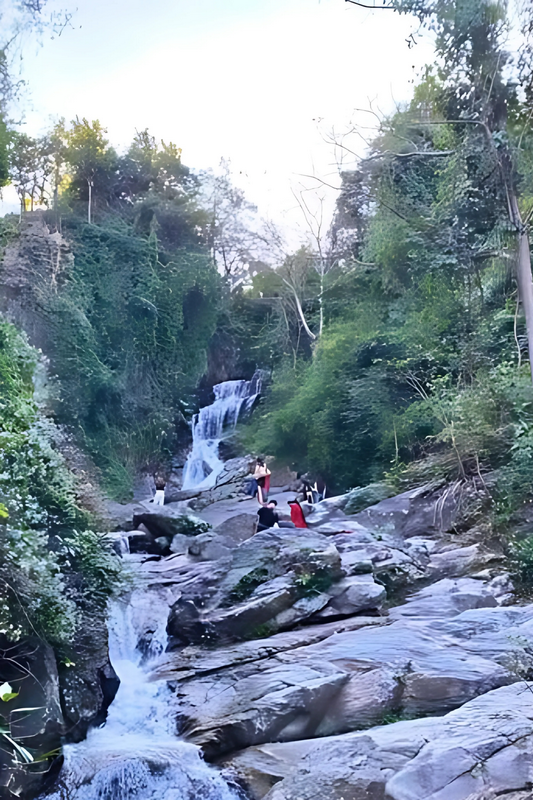
One of the most fascinating aspects of Buatong Waterfall is its “sticky” rocks. Coated with calcium carbonate, the rocks provide a non-slippery surface that allows you to climb the cascading water with ease. As you feel the slightly rough texture under your bare feet, you’ll find yourself connecting with nature in a uniquely physical way. Whether you’re climbing or simply marveling at the clear, flowing water, this solo adventure is all about immersing yourself in the moment.

buatong waterfall, bua tong waterfall, buatong sticky waterfall, bua tong sticky waterfall, sticky waterfall, sticky waterfall chiang mai

A Journey Through Four Levels

Buatong Waterfall features four distinct levels, each offering something special:

  1. First Level: The perfect place to ease into your visit. Shaded picnic areas and shallow pools provide a tranquil spot to reflect or relax before diving into the adventure.
  2. Second Level: A 20-meter descent introduces you to the “sticky” magic of the rocks, with climbing opportunities that are both fun and safe.
  3. Third Level: The cascading water gets more powerful here, especially during the rainy season. Descending another 40 meters, you’ll find yourself surrounded by lush greenery and the soothing sounds of nature.
  4. Fourth Level: The final 60-meter drop is breathtaking, with dramatic views that reward your adventurous spirit.

As a solo traveler, you can take your time exploring each level, soaking in the beauty at your own pace.

buatong waterfall, bua tong waterfall, buatong sticky waterfall, bua tong sticky waterfall, sticky waterfall, sticky waterfall chiang mai

Don’t Miss the Seven Colors Spring

A short walk from the waterfall lies the Seven Colors Spring, a cool, clear pool shimmering in rainbow-like hues under the sunlight. This serene spot is a must-visit, offering a moment of quiet reflection amidst its enchanting surroundings.

What to Pack for a Solo Day Out

Solo travel means being prepared. Here’s what you should bring:

  • Backpack: Light and easy to carry essentials.
  • Bathing Suit and Towel: Perfect for cooling off in the cascades.
  • Camera: Capture the beauty of your adventure.
  • Snacks and Water: Keep yourself energized during the trip.
buatong waterfall, bua tong waterfall, buatong sticky waterfall, bua tong sticky waterfall, sticky waterfall, sticky waterfall chiang mai

How to Reach Buatong Sticky Waterfall

The waterfall is located in Mae Taeng District, about an hour and a half from Chiang Mai. Take Highway 1001 past Mae Jo University and look for a faded sign near small roadside stalls selling vegetables. While the signage may not be perfect, the journey itself is part of the charm. Don’t hesitate to ask locals for directions—they’re always happy to help.