Mae Hong Son Tourist Attractions and the Scenic Character of Ban Rak Thai
A practical planning guide to village scenery, regional culture, driver tours, and two worthwhile nearby stops
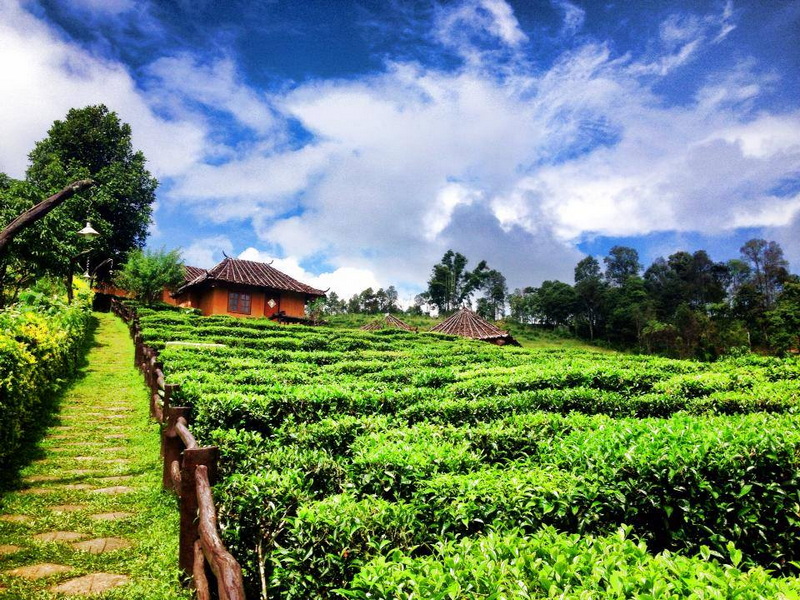
Ban Rak Thai is one of the most distinctive stops in northern Thailand’s Mae Hong Son region. Set among mountain landscapes in Mueang Mae Hong Son District, the village is known for its tranquil reservoir, tea-growing identity, and cultural connections with communities of Chinese heritage. Its appeal is not based on a single monument. Instead, visitors encounter a combination of scenery, food traditions, architecture, and a slower rhythm that rewards looking closely. For a first-time international visitor, the journey is part of the experience. Roads through Mae Hong Son Province are winding, distances can feel longer than they appear on a map, and several regional sights are best considered together rather than as isolated stops. This makes Ban Rak Thai a useful focus for a carefully planned route, especially for travelers who prefer a private vehicle and flexible pauses. This guide places the village within the wider group of Mae Hong Son Tourist Attractions while keeping the planning advice realistic. It explains what makes the destination notable, how a driver-based journey can be organized without relying on fixed package promises, and how Phu Klon and Su Tong Pae Bridge can add variety to the same regional exploration.
Why Ban Rak Thai Stands Out in Mae Hong Son
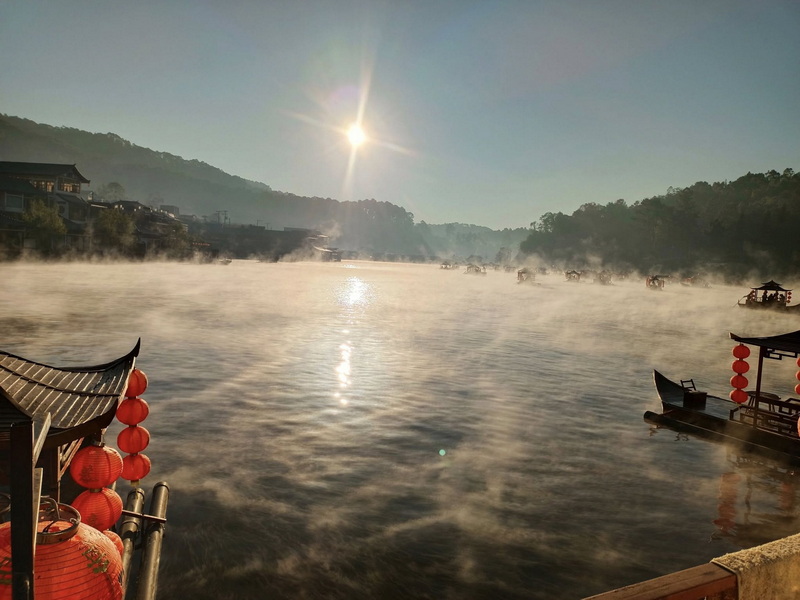
Ban Rak Thai is often remembered first for its setting beside a calm body of water, with hills rising around the settlement and mist sometimes softening the landscape in cooler or wetter conditions. The visual character changes during the day: early light can make the water and surrounding slopes feel especially quiet, while later hours reveal more detail in the village streets, tea shops, and cultivated hillsides. The scenery is attractive, but it is the relationship between the settlement and its environment that gives the place a strong sense of identity.
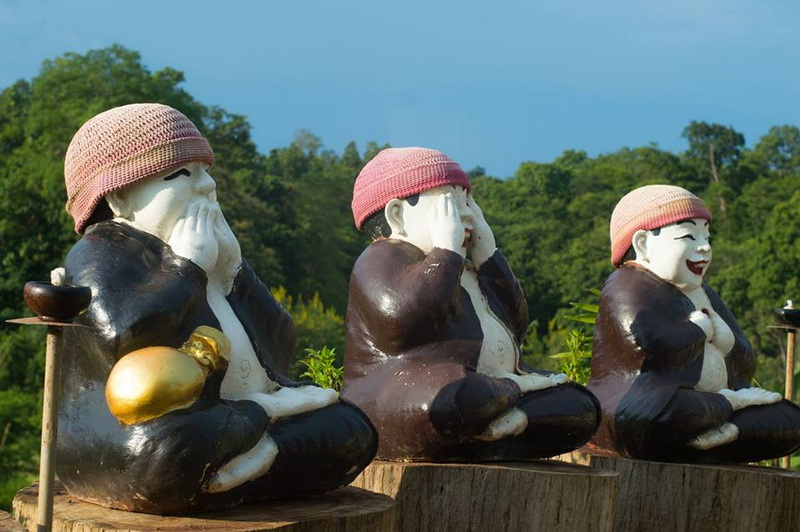
The village also reflects a local history shaped by migration and Chinese cultural influence. Visitors may notice Yunnan-influenced dishes, tea-focused hospitality, and architectural details that differ from those in central Mae Hong Son town. These features are best approached as living community traditions rather than as a staged performance for tourists. Eating thoughtfully, asking before photographing people or private spaces, and supporting local businesses respectfully help preserve the dignity of the place.
A Ban Rak Thai Mae Hong Son visit therefore suits travelers who value atmosphere as much as sightseeing checklists. The destination can be scenic for photographers, interesting for food-focused visitors, and calming for anyone who wants time away from busy urban areas. It is also worth allowing unhurried time to observe the landscape instead of treating the village only as a quick viewpoint.
Building a Driver-Based Journey from Chiang Mai
A private vehicle can make the regional route easier to manage because the journey from Chiang Mai involves mountain roads and several possible points of interest. When comparing a Chiang Mai To Mae Hong Son Driver Tour Package, travelers should focus less on a catchy itinerary label and more on whether the proposed route matches their available time, comfort with long road journeys, and interest in cultural or natural stops. A useful discussion with a driver or tour planner should establish the broad route, expected driving intensity, meal breaks, and which places are realistic on the same day.
Driver travel is particularly helpful for visitors who do not want to navigate unfamiliar roads themselves. It can also make it possible to pause for scenery or adjust the pace when weather, road conditions, or tiredness affects the day. However, flexibility should not be confused with unlimited time. Ban Rak Thai is in a mountainous area, so a route that appears to connect many attractions on paper may feel demanding in practice. A well-balanced plan normally gives priority to a few meaningful experiences rather than promising every regional highlight.
Travelers considering a Ban Rak Thai Travel Guide should also distinguish between transport and guided interpretation. A driver may provide useful local orientation, but the depth of cultural explanation can vary by service. If learning about local history and community life is important, ask in advance what kind of guidance is included. Confirming the general plan, language expectations, vehicle suitability, and personal flexibility before departure can prevent misunderstandings without depending on unverified prices or schedules.
What to Notice During a Visit
The most rewarding way to experience Ban Rak Thai is to divide attention between the broad landscape and small details. A walk near the water can provide changing views of the hills and village buildings, while tea-related shops and local eateries offer a chance to understand how the area presents its agricultural and cultural character. Visitors do not need to rush from one photo point to another. Sitting quietly with a warm drink, observing the changing light, and noticing how residents use shared spaces can make the visit feel more grounded.
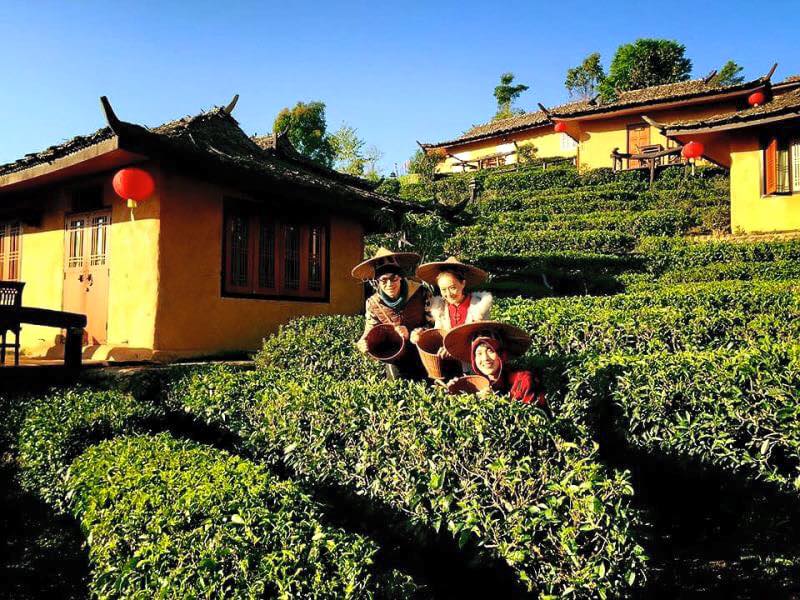
Tea is an important part of the village image, but it should not become a reason to make sweeping assumptions about every household or resident. Products, food styles, and visitor experiences can differ between businesses. Purchase decisions are best made with curiosity and respect, and travelers should avoid blocking entrances, entering private areas, or treating residents as photographic subjects without consent. These simple choices matter in a small community where tourism and everyday life overlap.
The Ban Rak Thai Thailand experience can also be affected by season and personal expectations. Mountain weather may bring cool mornings, cloud, rain, or reduced visibility, while sunny conditions emphasize the surrounding slopes and water. Comfortable walking shoes, sun protection, a light outer layer, and patience with changing conditions are sensible preparations. Anyone prone to motion sickness should consider the winding approach when planning meals and rest breaks.
Making the Day Comfortable and Responsible
Before setting out, check the route with a current local source or driver because road conditions and access can change. Avoid assuming that online photographs represent every season or that a listed stop will always operate in the same way. Since this is a mountainous destination, build enough breathing room into the itinerary for breaks and unexpected delays. A practical plan should also leave time for eating and walking rather than measuring success by the number of locations visited.
The village is more enjoyable when visitors arrive prepared for a low-key environment. Carry drinking water, protect personal belongings, and bring any medication needed during a long road journey. Modest clothing is appropriate when visiting community spaces, and a quiet tone is considerate around homes, religious places, and local businesses. Travelers should follow signs and local instructions, dispose of waste properly, and avoid taking natural materials or disturbing cultivated areas.
For people searching for a Ban Rak Thai Visitor Guide, the central lesson is to plan for connection rather than consumption. The destination offers scenery and memorable flavors, but it also remains a lived-in community. A responsible itinerary gives residents room to carry on with daily activities, keeps spending within locally operated businesses where possible, and treats cultural differences as an invitation to listen rather than as a spectacle.
Two Regional Stops to Broaden the Route
Once the village has been given enough time, the wider district offers contrasting experiences without requiring the trip to become a rushed checklist. These two stops can help shape a more varied route when road time and local conditions are considered carefully.
Phu Klon
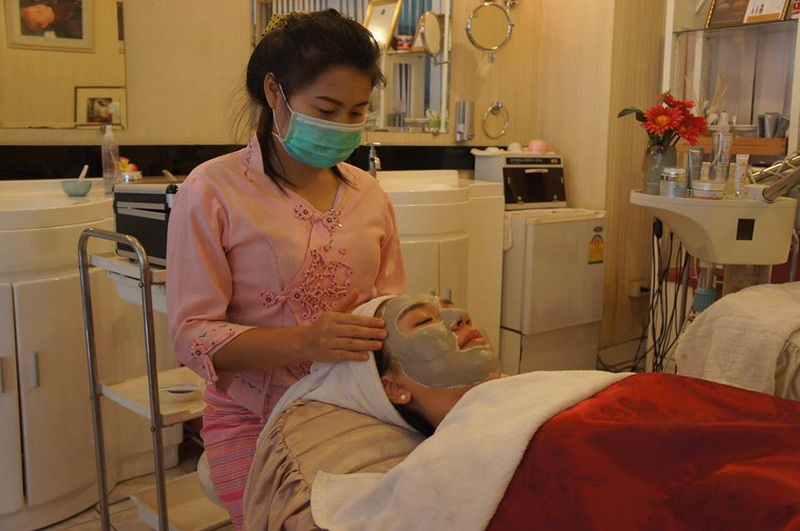
Phu Klon can add a natural wellness-oriented dimension to a Mae Hong Son route. The site is associated with mineral mud and hot-spring surroundings, giving visitors a different type of experience from Ban Rak Thai’s lake and mountain scenery. Rather than presenting it as a guaranteed treatment or making health claims, it is more accurate to view the stop as a place to learn about local geothermal features and enjoy a change of pace.
Its visitor relevance depends on the current access arrangements and facilities, so confirm practical details before building it into a driver itinerary. Combining Phu Klon with Ban Rak Thai may suit travelers who want both a scenic village and a nature-based stop, provided the road journey remains comfortable and the schedule allows enough time at each location.
Su Tong Pae Bridge
Su Tong Pae Bridge offers a quieter cultural and rural landscape near Mae Hong Son town. The bamboo bridge crosses fields and connects community areas, creating an image of simple construction shaped by local cooperation and the surrounding agricultural setting. Its appeal lies less in an extended list of facilities and more in the chance to walk slowly, view the countryside, and appreciate how a practical structure can become part of a community’s visual identity.
Conditions around agricultural land and community spaces can vary, so visitors should remain on appropriate paths and follow local guidance. A stop at Su Tong Pae Bridge can balance the mountain atmosphere of Baan Rak Thai with a more open rural scene. For a driver-based itinerary, it may work as a gentle walking break, but the exact order should be decided according to the day’s route, weather, and available daylight.
A More Considered Way to Visit Ban Rak Thai
Ban Rak Thai is most rewarding when approached as part of a thoughtfully paced Mae Hong Son journey. Its mountain setting, tea culture, and community character provide a strong central experience, while Phu Klon and Su Tong Pae Bridge can add contrasting perspectives nearby. A private driver may simplify the challenging regional roads, but the best plan remains one that allows time, respects local life, and avoids overloading the day. With realistic expectations and considerate behavior, first-time visitors can explore this distinctive corner of northern Thailand with greater confidence.

No comments:
Post a Comment