A Full Day at Singha Park
A thoughtful day plan for landscapes, agriculture, nearby nature, and cultural places in Chiang Rai
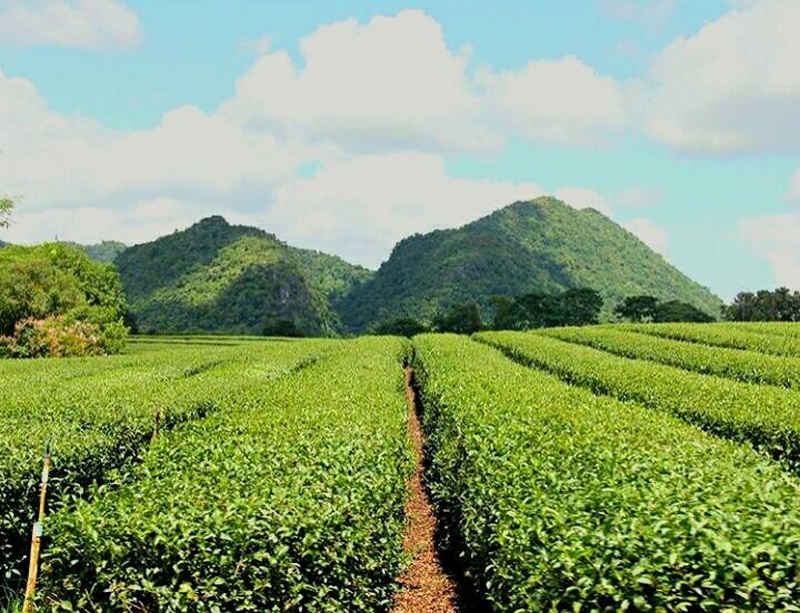
Singha Park is best understood as more than a quick photo stop. In the countryside of Mueang Chiang Rai District, its broad agricultural landscapes create a slower setting for looking at tea fields, gardens, open views, and working land. A visit can feel quite different from moving rapidly between urban landmarks because the experience depends on distance, weather, walking conditions, and the time allowed to appreciate each area. For a first-time traveler, the most useful approach is to treat the park as one part of a carefully paced Chiang Rai day. A morning arrival leaves room to explore the grounds before the strongest heat, while the rest of the day can connect the park with a natural area or a cultural attraction. This makes a Chiang Rai Full Day Tour more comfortable when the itinerary allows pauses rather than trying to collect every possible sight. The following guide focuses on what the day may feel like, how to organize the journey, and which nearby places complement the visit. It does not assume a particular tour company, timetable, or activity availability. Instead, it offers a practical framework for choosing transport, setting expectations, and experiencing Singha Park Chiangrai with respect for its agricultural setting and the wider Chiang Rai landscape.
Begin with the landscape rather than a checklist
The first impression at Singha Park often comes from its scale and openness. Instead of a compact attraction with one building at the center, the site presents a mixture of cultivated land, planted areas, roads, viewpoints, and spaces designed for visitors to observe the scenery. Tea-growing areas are among the features associated with the park, and the changing greens and slopes provide a clear sense of Chiang Rai’s rural character.
This setting rewards an unhurried start. Look across the fields, notice how agricultural areas are arranged, and allow time for photographs without treating the working landscape as a backdrop only. Some sections may be more suitable for viewing than walking, and conditions can change with rain, heat, maintenance, or seasonal planting. Comfortable shoes, sun protection, and drinking water are sensible choices for a day spent outdoors.
A visitor experience here is also shaped by expectations. The park is not simply an indoor museum or a single monument where every feature can be seen in a short circuit. Distances between areas matter, and transport arrangements within or around the grounds may affect how much can be covered. Confirm current visitor information before setting out, especially if a particular activity, garden area, or facility is important to the plan.
Build the day around changing energy levels
A useful full-day rhythm begins with the most open-air portion of the visit. Morning light can make the landscape easier to appreciate, and cooler conditions are generally more comfortable for walking than the middle of the day. Start by identifying the main areas you want to see, then leave space for an unplanned pause. A tea landscape, garden, or broad viewpoint can take only a few minutes to photograph but longer to experience attentively.
Around midday, a break becomes part of the itinerary rather than a delay. Visitors should use designated eating and resting areas, dispose of waste properly, and avoid entering cultivated sections without permission. The park’s agricultural character means that plants, soil, and maintenance work are part of the place itself. Respecting barriers and staff guidance helps protect both the environment and the people who care for it.
The afternoon can be used for a second look at areas missed earlier or for a regional connection outside the park. This is where a full-day plan differs from a rushed excursion: there is time to choose one complementary attraction according to its location, opening conditions, and the group’s interests. Families may prefer fewer stops with longer rests, while independent travelers may want more time for landscape photography or quiet observation.
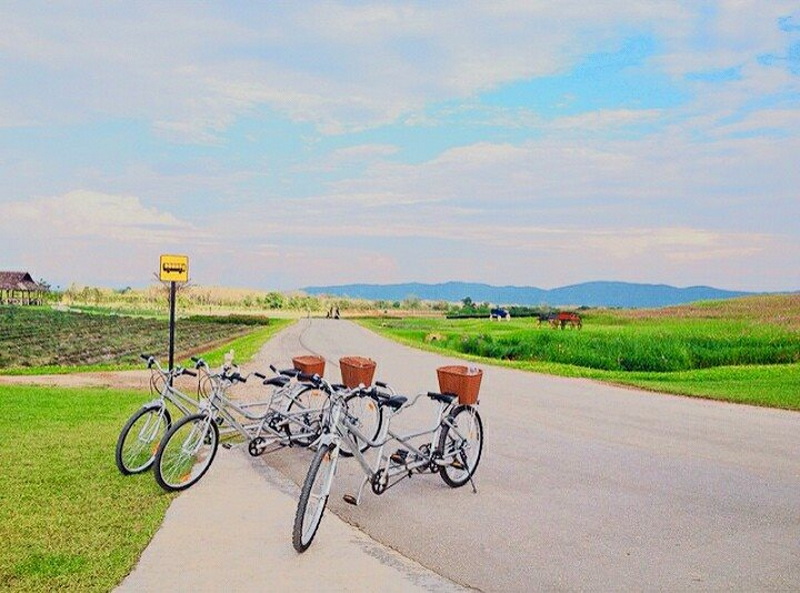
How to shape a Chiang Rai day tour
Travelers staying in Chiang Rai can arrange the day around their accommodation and preferred transport. Those arriving from Chiang Mai need to account for the longer road journey, so an itinerary should be checked carefully before adding several distant stops. A Chiang Rai Full Day Tour may include Singha Park as its main outdoor destination, while another plan may combine it with a museum or a natural area. The right choice depends less on the number of stops than on realistic travel time.
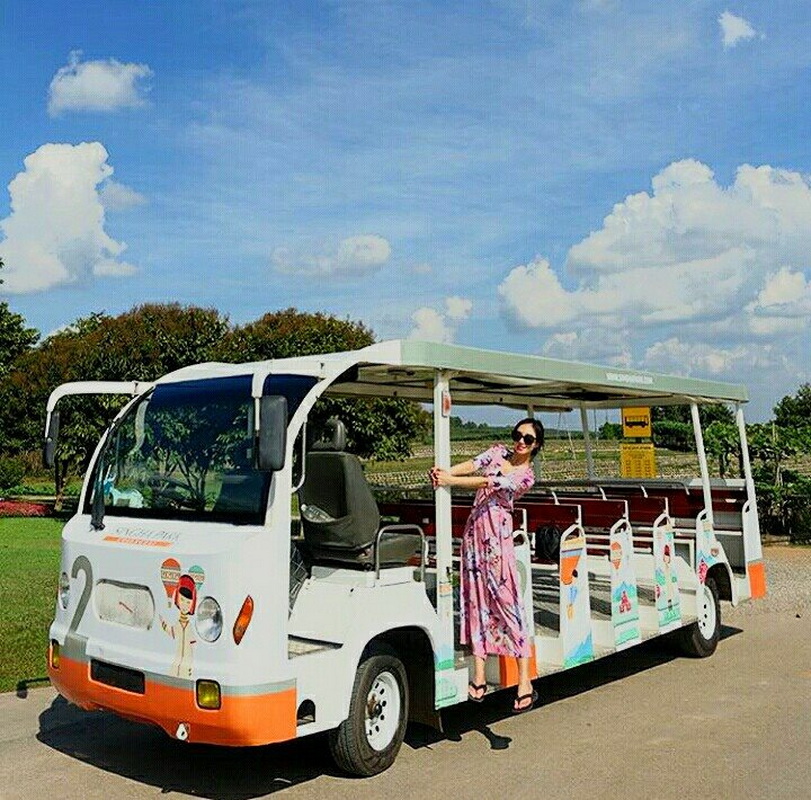
When comparing organized options, ask what is actually included: transport between locations, time available at the park, meals, admission arrangements where relevant, and whether the itinerary is fixed. Avoid assuming that a tour description guarantees access to every activity or facility. Seasonal conditions, local events, maintenance, and weather can influence the experience. For a self-arranged journey, confirm the route, arrange a reliable return plan, and keep some flexibility if rain or traffic changes the day.
A good plan also considers the people traveling. Older visitors or anyone with limited mobility may need shorter walking distances and more seating breaks. Young children can enjoy the open scenery, but sun exposure and long transfers may make a simplified itinerary more practical. If photography is the main purpose, allow time for changing light rather than scheduling the next stop immediately after arrival. If the goal is a broad introduction to Chiang Rai, one nearby cultural attraction can provide contrast without turning the day into a race.
Read the park as a living agricultural place
Singha Park Thailand combines visitor spaces with an agricultural landscape, so responsible behavior is important. Stay on permitted paths, do not pick crops or flowers, and ask before photographing workers or activities that appear private. These simple choices acknowledge that the park is connected to land management and livelihoods, not only to sightseeing.
Waste reduction is particularly useful in a large outdoor destination. Carry a reusable bottle where practical, use provided bins, and avoid leaving food packaging in planted or roadside areas. Keep noise moderate, especially near working zones, and follow any temporary signs. Visitors who take care around animals, plants, and other people help preserve the calm quality that makes the park different from a dense city attraction.
Weather deserves attention throughout the day. Northern Thailand can feel hot in exposed areas, while sudden rain can change walking conditions. Light clothing, a hat, rain protection, and shoes with a secure sole can make the experience easier. Check the forecast and current local information before leaving, but remember that even a well-planned outdoor visit may need small adjustments.
Use the wider region to add context
A visit to Singha Park becomes more meaningful when considered alongside Chiang Rai’s varied geography. The city and its surrounding district connect cultivated land, rivers, forested areas, artistic spaces, and older cultural traditions. Rather than presenting these as unrelated attractions, a day itinerary can show how the province moves between rural scenery, environmental places, and creative expression.
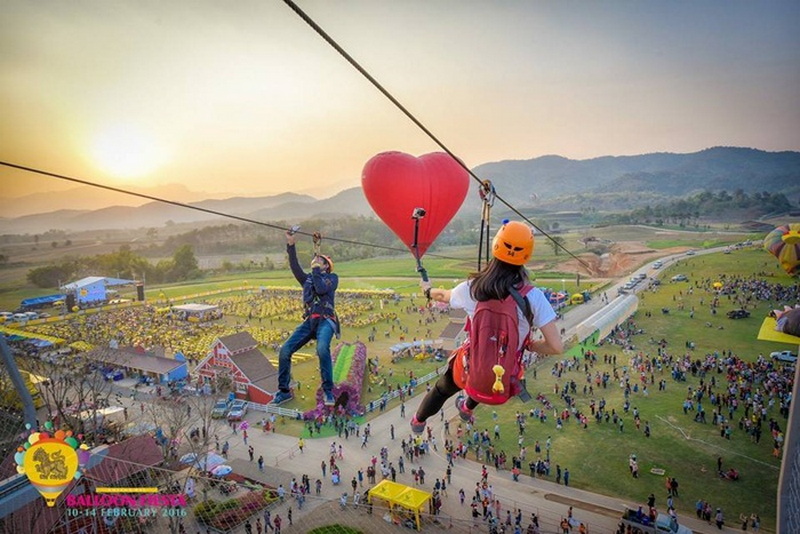
For visitors who want a broader introduction, a Visit Chiang Rai Thailand plan can place the park between other destinations with care. The important practical question is not how many names fit on the schedule, but whether each transition is manageable. Leave room for traffic, food, weather, and the simple need to sit down. This is especially relevant for travelers coming from Chiang Mai, since the outward and return journeys already use a substantial part of the day.
The park can also be approached as a place for observation rather than consumption. Tea fields, planted gardens, and open views invite attention to season, water, soil, and cultivation. That perspective offers a respectful connection to the region without making claims about local life that a short visit cannot support.
Before leaving, check the final details
Near the end of the visit, review how the group will return to its accommodation or continue to the next stop. Confirm transport availability and meeting points rather than relying on memory, particularly if the day includes an organized excursion. Keep phones charged, carry essential medication, and make sure everyone knows the planned departure time.
It is also worth checking belongings after time outdoors. Dust, rain, and uneven ground can affect bags and shoes, while shared vehicles may have limited space for large purchases or equipment. If you have taken photographs of people, private buildings, or work areas, consider whether permission was appropriate before sharing them.
A relaxed departure leaves a better impression than squeezing in one last distant sight. The main value of a Singha Park Travel Guide is not a promise of a perfect sequence, but a way to make sound choices as conditions change. With realistic timing and respectful conduct, the park can serve as a calm anchor for a full day in Chiang Rai.
Nearby Attractions
Lam Nam Kok National Park
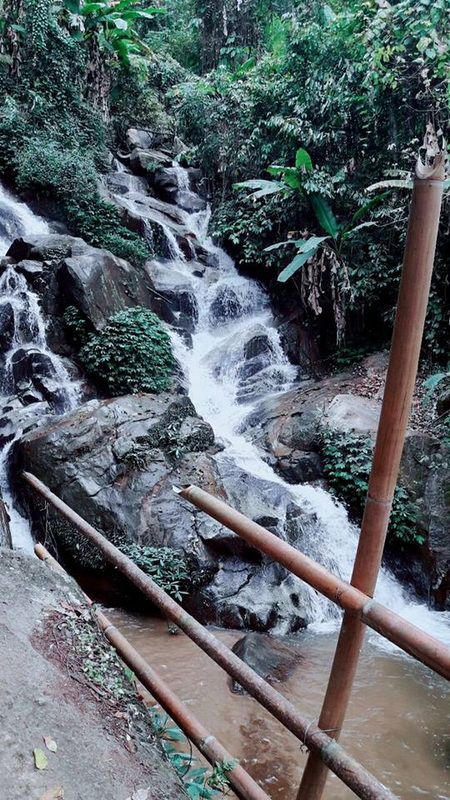
Lam Nam Kok National Park provides a natural counterpoint to the cultivated scenery of Singha Park. The park is associated with the Kok River basin and includes forested landscapes and outdoor environments that reflect the wider ecological setting of Chiang Rai. Conditions, access, and suitable activities can vary by season and by area, so travelers should check current local guidance rather than assuming every part is equally accessible.
As a companion to Singha Park, it works best when visitors allow enough time for travel and do not treat the national park as a rushed photo stop. Wear appropriate footwear, carry water, follow marked routes or official advice, and avoid disturbing plants and wildlife. The combination of agricultural landscape and protected natural space can add useful environmental context to a full day itinerary.
Black House Museum
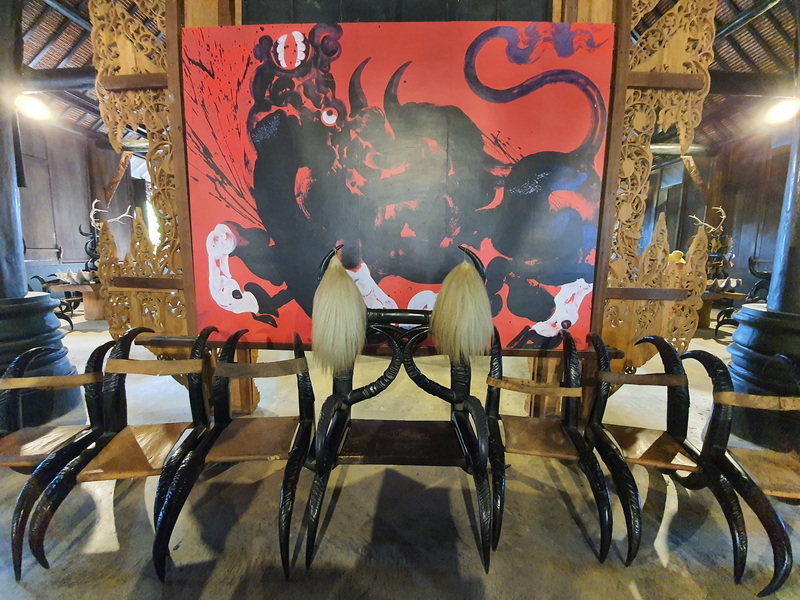
Black House Museum, also known as Baan Dam, is an art and architectural complex associated with the late Thai artist Thawan Duchanee. Its dark-toned buildings and distinctive collection create a very different atmosphere from the open fields of Singha Park. Visitors encounter art, structures, and objects presented through the artist’s individual visual language, so the experience is best approached with patience rather than a search for a single conventional exhibition narrative.
Allow time to move through the grounds thoughtfully and observe posted rules about photography, access, and respectful behavior. Some materials and displays may be challenging or unfamiliar to visitors, and they should be considered in their artistic and cultural context rather than treated as spectacle. Pairing the museum with Singha Park can give a day in Chiang Rai a clear contrast between agricultural scenery and contemporary cultural expression.
Bringing the Experience Together
Singha Park suits travelers who want their Chiang Rai visit to include open space, cultivated landscapes, and time to slow down. Plan the day around realistic transfers, outdoor comfort, and the interests of the people traveling with you. Adding Lam Nam Kok National Park or Black House Museum can broaden the experience, provided the schedule remains practical. With attention to current conditions and respect for agricultural and cultural spaces, a visit to Singha Park Chiangrai can become a balanced part of a wider Chiang Rai journey.
