Discover Pang Hi Village Village Homestays and Coffee Farm Tours with Driver Hire
Experience authentic village life and scenic coffee farm tours with convenient driver services near Pang Hi Village in Chiang Mai
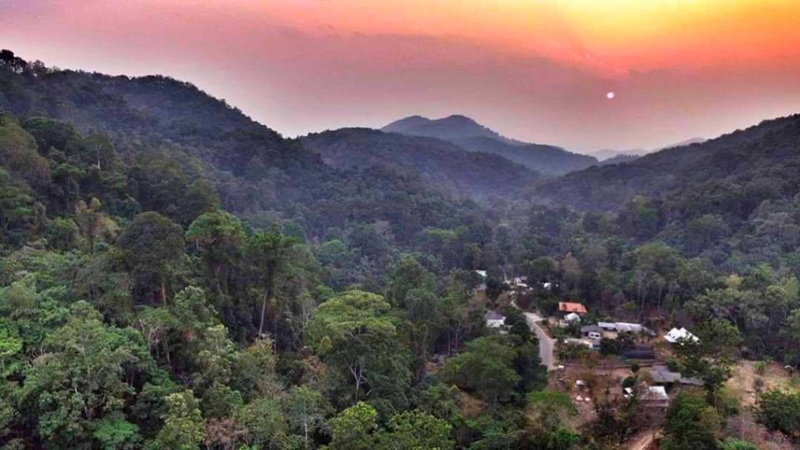
Nestled in the serene landscapes of Doi Saket District, Chiang Mai, Pang Hi Village offers travelers a unique opportunity to immerse themselves in traditional village life while enjoying the comforts of homestays. This destination is ideal for those who seek an authentic cultural experience combined with the convenience of guided transport. Staying in a Chiang Mai Village Homestay here allows visitors to connect deeply with local customs, participate in daily village activities, and enjoy the natural beauty surrounding the area. Beyond the warm hospitality of the village, Pang Hi Village is also a gateway to some of the region’s finest coffee farms. Coffee farm tours nearby provide a fascinating glimpse into the cultivation and processing of coffee, a significant agricultural product in northern Thailand. These tours complement the village experience perfectly, offering a blend of cultural and agricultural tourism. For a hassle-free journey, many travelers opt to hire a driver in Chiang Mai, ensuring smooth transport to and from Pang Hi Village and nearby attractions. This service not only adds convenience but enriches the trip by offering local insights and flexible itineraries. Whether you are planning a day trip or a longer stay, combining village homestays, coffee farm tours, and driver hire creates a seamless and immersive travel experience.
Immersive Village Homestay Experiences in Pang Hi Village
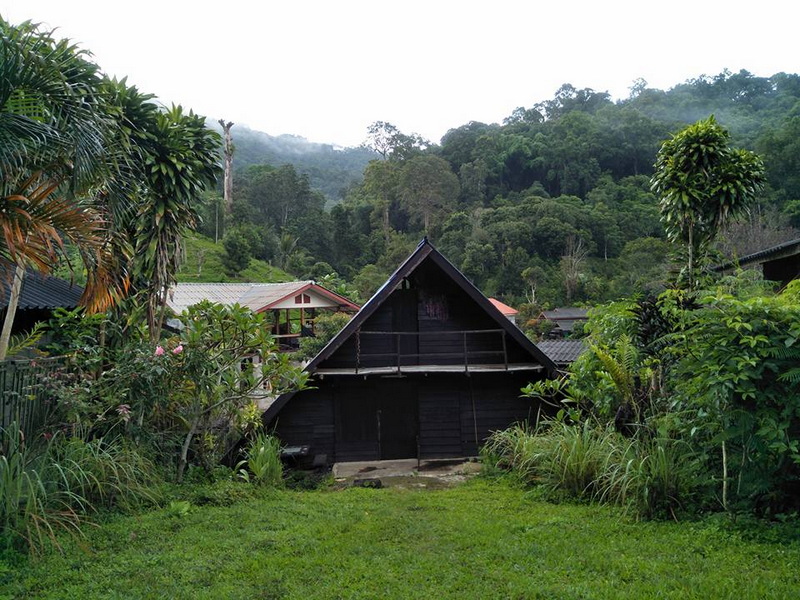
Pang Hi Village provides an authentic glimpse into rural Thai life, where traditional wooden houses and lush surroundings create a peaceful retreat from city bustle. Visitors staying in a Chiang Mai Village Homestay here can expect a warm welcome from local families who open their homes to travelers, sharing their way of life and customs. The homestay experience often includes participating in daily activities such as farming, cooking traditional meals, and engaging in community festivals or ceremonies when available.
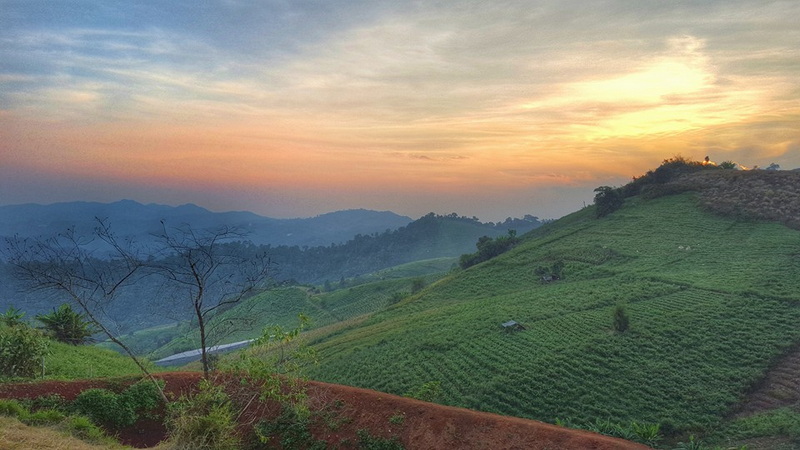
The village’s location in Doi Saket District allows guests to enjoy a tranquil mountain atmosphere with fresh air and stunning views. Homestays in Pang Hi Village emphasize sustainability and respect for local culture, encouraging visitors to approach their stay with openness and cultural sensitivity. This immersive approach not only supports community tourism but also enriches visitors’ understanding of northern Thailand’s rural heritage.
Guests often find that the slower pace of village life offers a refreshing contrast to their usual travel experiences. The opportunity to connect with villagers, learn about their traditions, and share stories creates meaningful memories. Many homestays also provide simple amenities to ensure comfort while maintaining an authentic ambiance.
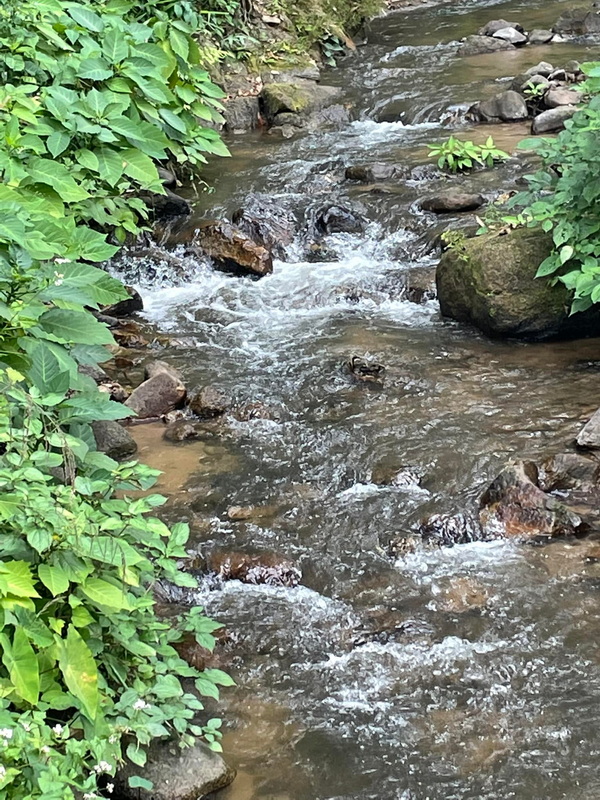
Exploring Chiang Mai Coffee Farms Near Pang Hi Village
Just a short distance from Pang Hi Village, several coffee farms welcome visitors interested in discovering the journey from bean to cup. Northern Thailand’s cool climate and fertile soil make it an ideal region for specialty coffee cultivation. Tours typically guide guests through the stages of coffee production, including planting, harvesting, drying, and roasting.
These coffee farm tours offer an educational and sensory experience, with opportunities to sample freshly brewed coffee and learn about sustainable farming practices. Many farms are family-run and emphasize organic methods, supporting both the environment and local livelihoods. Visitors gain appreciation not only for the beverage itself but also for the hard work and tradition behind each cup.
Combining a visit to a Chiang Mai Coffee Farm with a stay in Pang Hi Village creates a well-rounded itinerary that highlights both cultural and agricultural tourism. It’s a perfect way to deepen your connection with the region’s rural lifestyle while enjoying some of Thailand’s best coffee.
Convenient Travel with Driver Hire Services in Chiang Mai
Navigating the rural roads around Pang Hi Village and its neighboring attractions can be challenging without local knowledge. Hiring a driver in Chiang Mai offers a practical solution, providing safe, reliable, and flexible transport tailored to your itinerary. Whether you plan to explore the village, visit coffee farms, or combine multiple nearby sites, a private driver enhances your experience by handling logistics and allowing you to relax.
Driver hire services often include vehicles suited to small groups or families, making it easy to travel comfortably while enjoying scenic views along the way. Many drivers also act as informal guides, offering insights into local culture, landmarks, and hidden gems that you might otherwise miss.
Booking a driver for your trip to Pang Hi Village is straightforward and can be arranged through local agencies or homestay hosts. This convenience ensures that even first-time visitors can explore the area confidently and at their own pace, maximizing the value of their visit.
Maximizing Your Trip by Combining Homestays and Coffee Tours with Driver Hire
For travelers seeking an immersive and hassle-free experience, combining a Chiang Mai Village Homestay with coffee farm tours and driver hire is an excellent strategy. This combination allows for a seamless journey that balances cultural immersion, educational exploration, and logistical ease.
Start your day by waking up to the peaceful village surroundings, enjoying a homemade breakfast prepared by your host family. Then, with your hired driver, set out to visit nearby coffee farms, where you can learn about the cultivation and processing of local coffee varieties. Afterward, return to the village to relax or explore more of the community on foot.
This integrated approach offers flexibility, enabling travelers to customize their itinerary according to interests and timing. It also supports local economies by engaging with village homestays and small-scale farmers, fostering sustainable tourism practices.
Practical planning tips include coordinating with your homestay host and driver in advance to align schedules and ensure smooth transitions between activities. Being mindful of local customs and environmental impact further enriches the experience and promotes respectful tourism.
Nearby Attractions
Mae Kampong Village
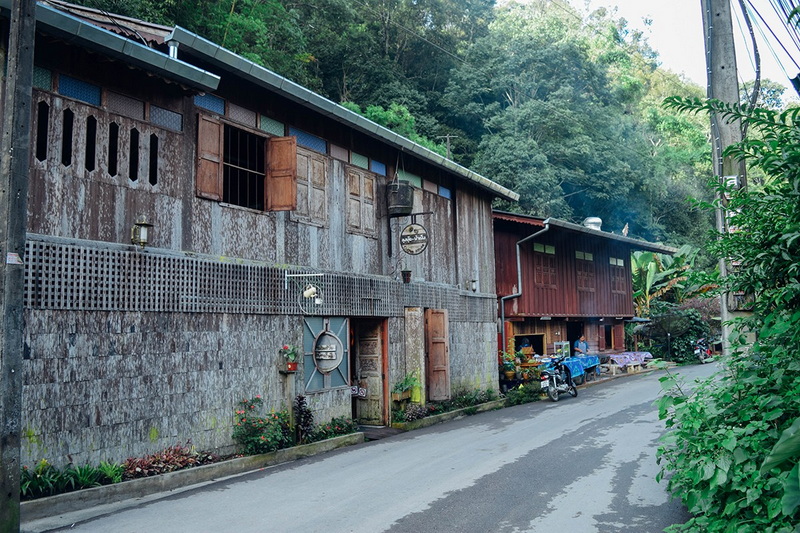
Mae Kampong Village is a charming mountain village located near Pang Hi Village, known for its tranquil atmosphere and natural beauty. Visitors can enjoy peaceful walks along forest trails, visit local tea and coffee plantations, and experience traditional northern Thai hospitality. The village offers additional homestay options and cultural activities, making it a complementary destination for those exploring the region.
Mae Kampong is also recognized for its eco-friendly initiatives and community-based tourism, encouraging visitors to engage respectfully with the environment and local residents. Its proximity to Pang Hi Village makes it an ideal stop for travelers seeking to deepen their understanding of northern Thailand’s rural lifestyle.
Skyline Jungle Luge

For those looking to add a touch of adventure to their trip, Skyline Jungle Luge offers an exciting activity close to Pang Hi Village. The jungle luge is a gravity-powered ride down purpose-built tracks through lush forested hills, suitable for all ages. It provides a thrilling contrast to the tranquil village experience and is a popular attraction for families and groups.
Beyond the luge rides, the site features other outdoor activities and scenic viewpoints, allowing visitors to enjoy the natural surroundings in an active way. Including Skyline Jungle Luge in your itinerary adds variety and fun while staying within the beautiful Doi Saket District.
Bringing the Experience Together
Pang Hi Village offers a unique blend of authentic cultural experiences and natural beauty, perfectly suited for travelers seeking meaningful connections with northern Thailand’s rural life. By choosing a Chiang Mai Village Homestay, exploring nearby coffee farms, and hiring a local driver, visitors can enjoy a seamless and enriching trip. This combination opens doors to deeper understanding, convenience, and memorable moments. Thoughtful planning and respect for local traditions enhance the experience, making your visit to Pang Hi Village not just a trip, but a lasting journey into the heart of Chiang Mai’s countryside.

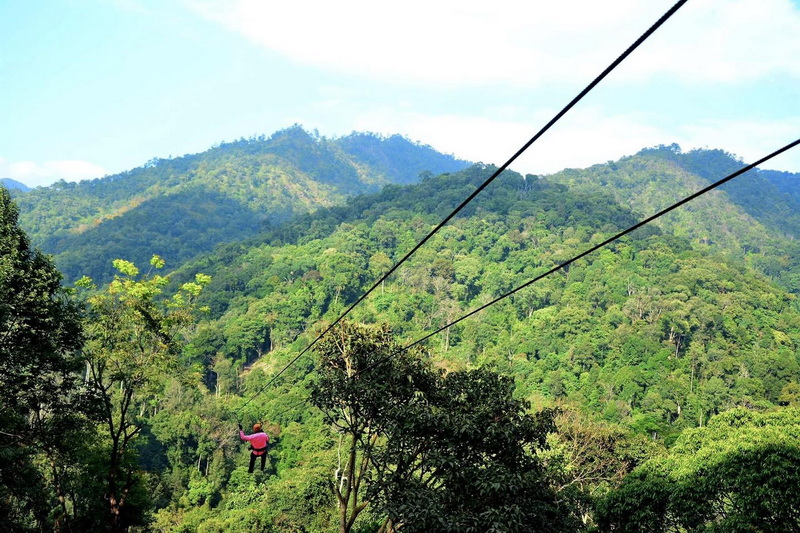
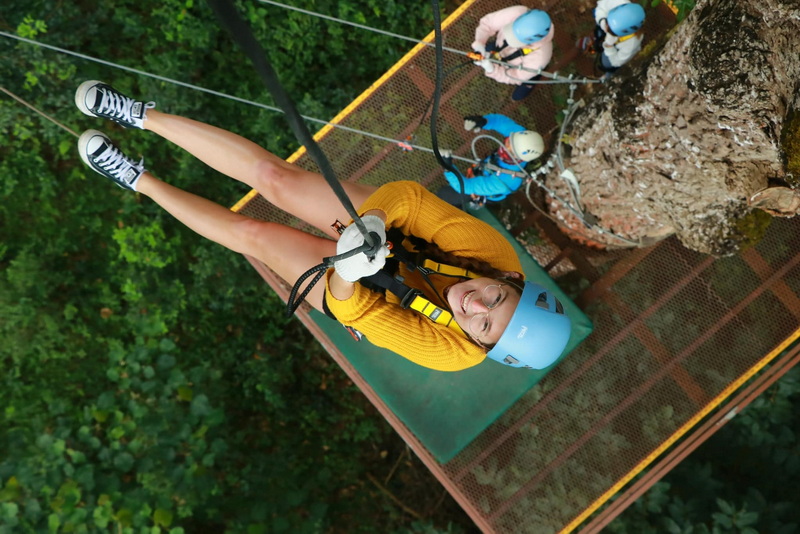
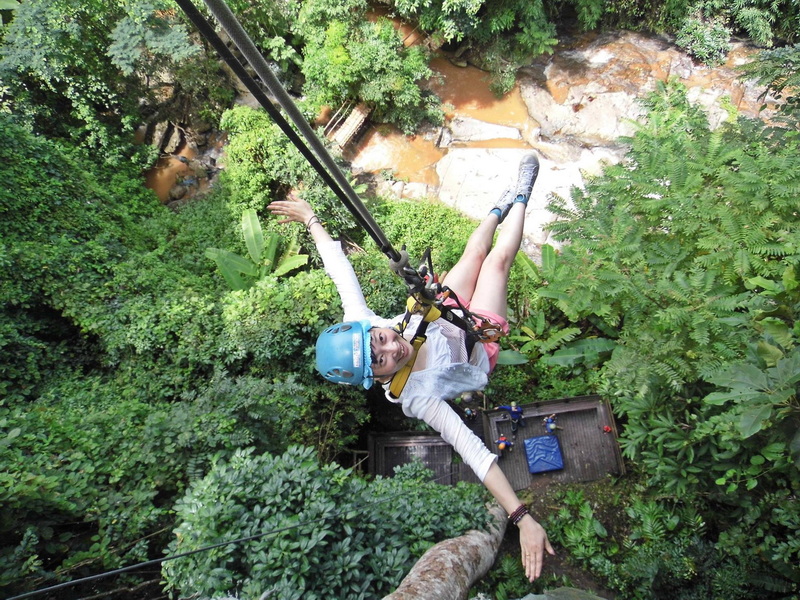
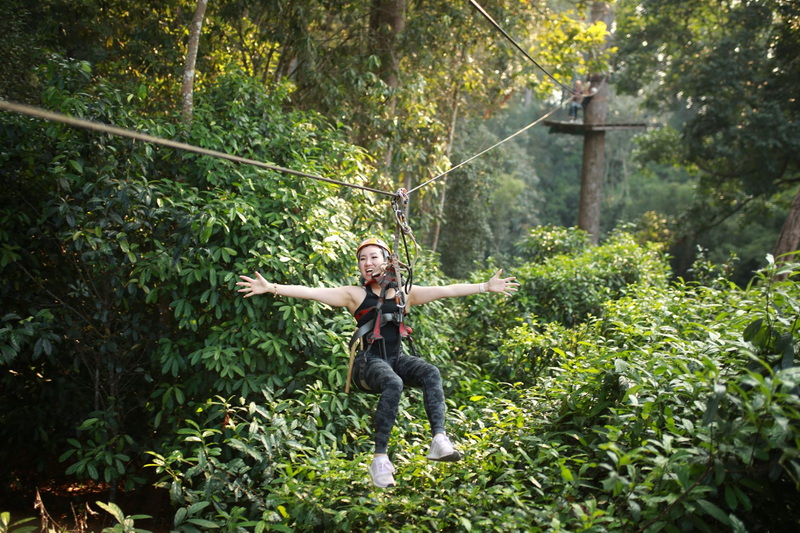
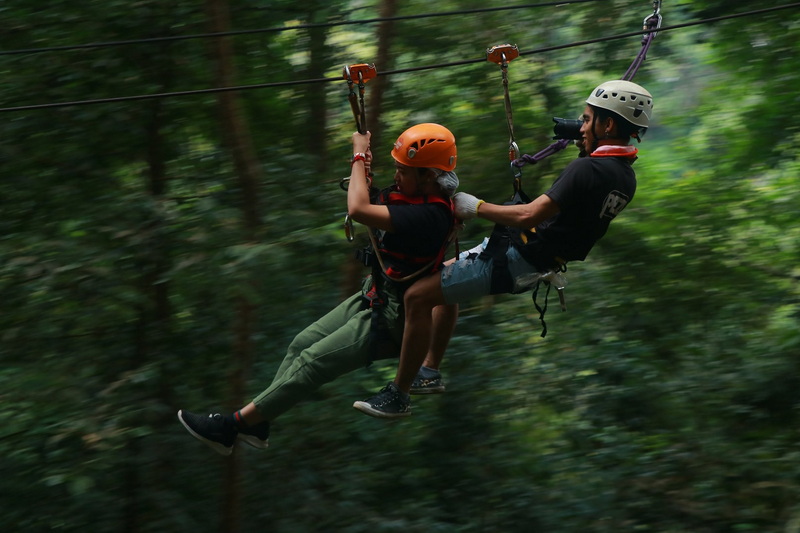
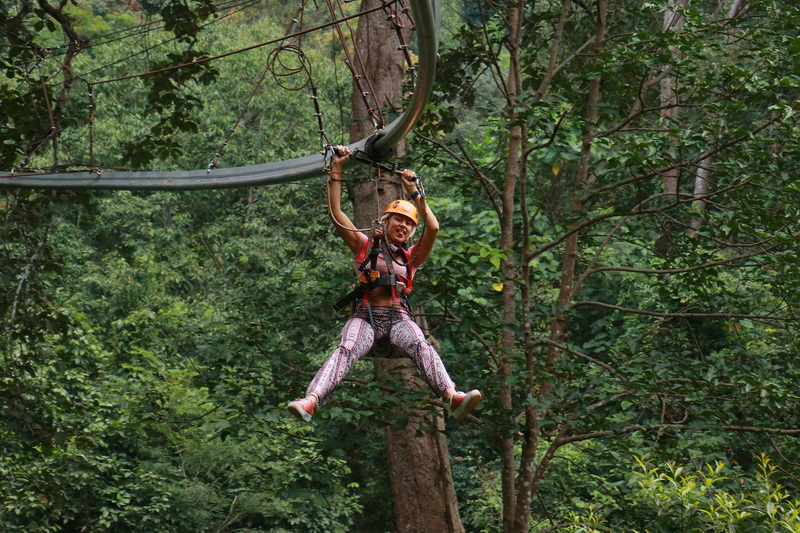
.jpg "Ziplining Adventure in Green Forest at Pong Yang Zipline and Jungle Coaster")
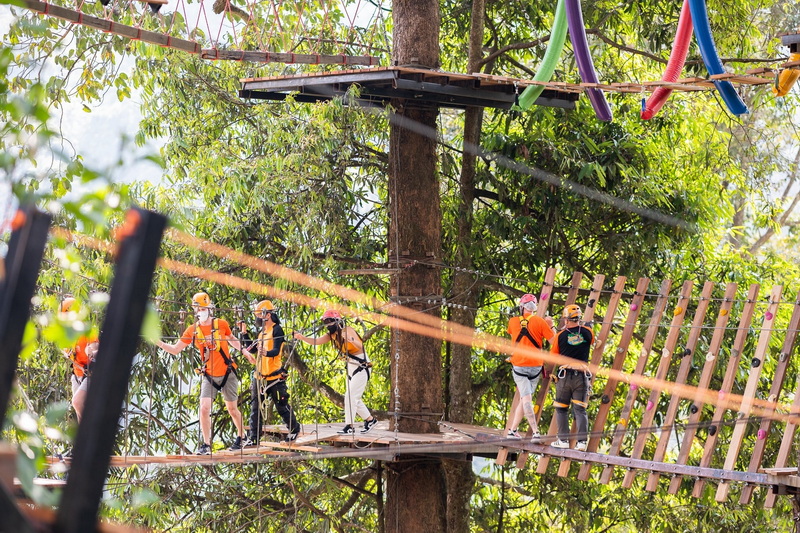
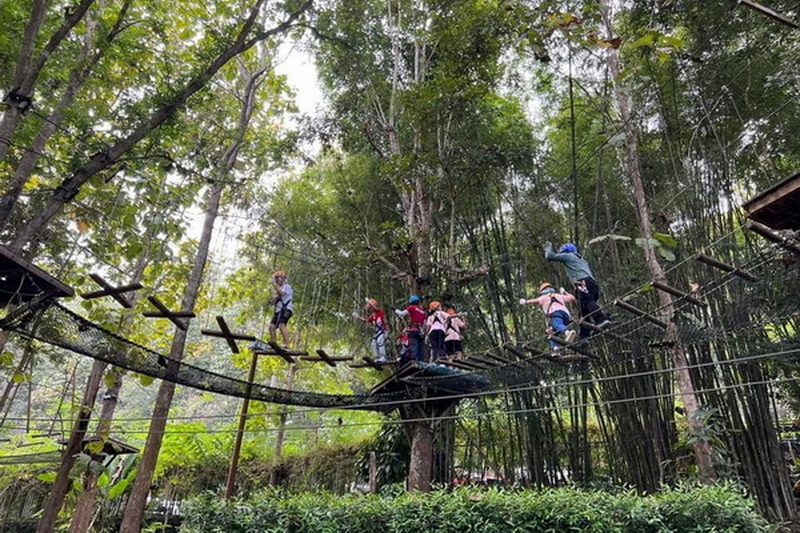
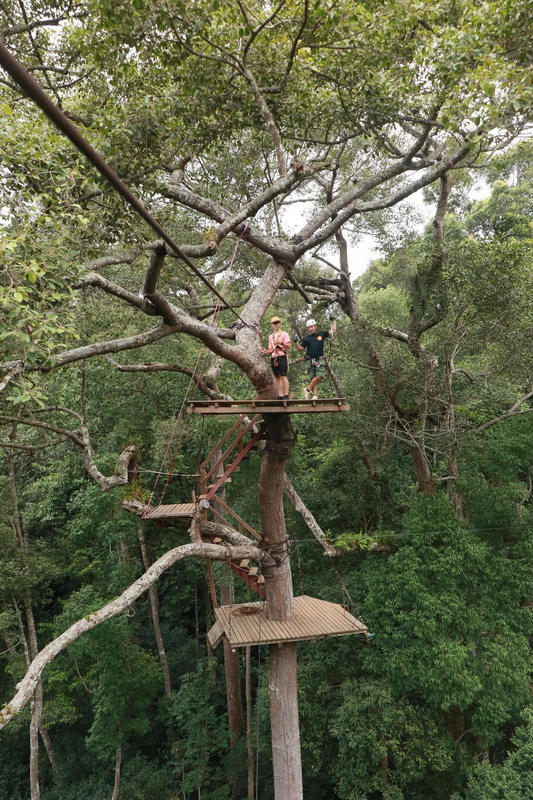
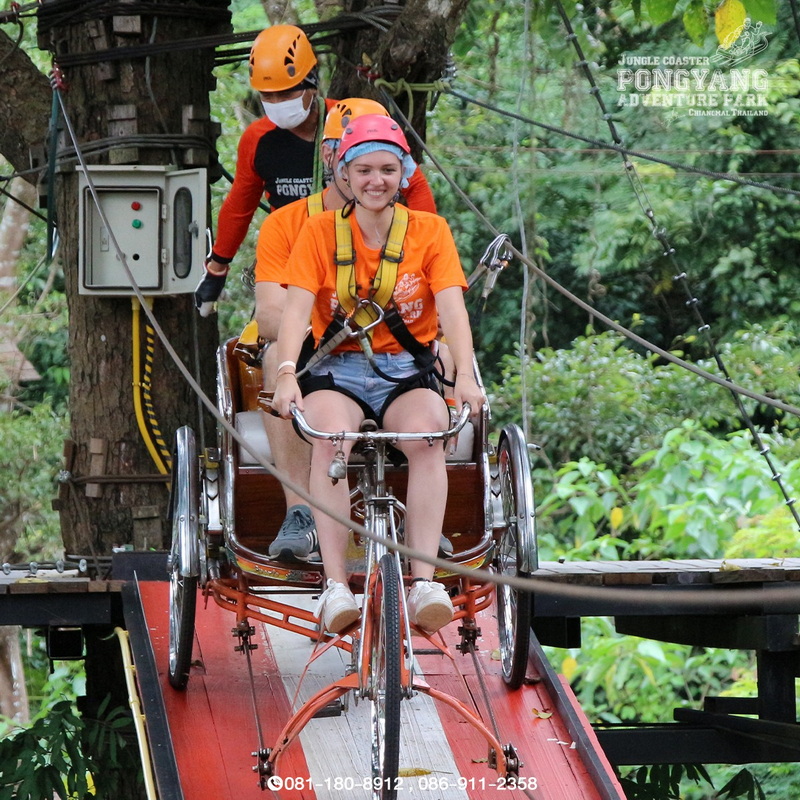
.jpg "Tree Platform Adventure Scene at Pong Yang Zipline and Jungle Coaster")