Kho Ku So Bridge with Flexible Mae Hong Son Travel Planning
A practical guide to driver arrangements, local tours, and a slower Pai District itinerary
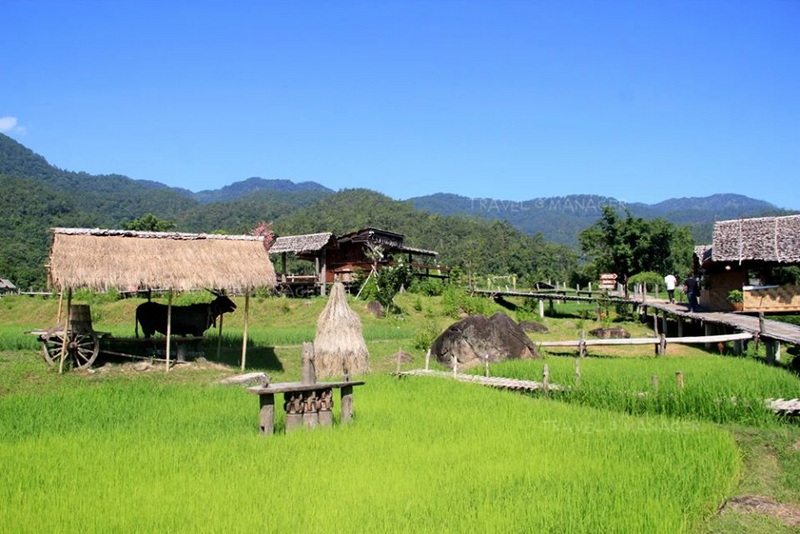
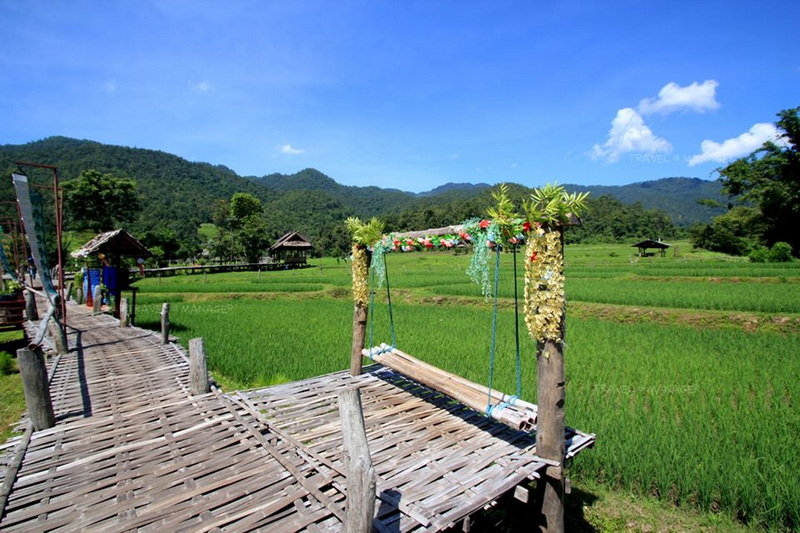
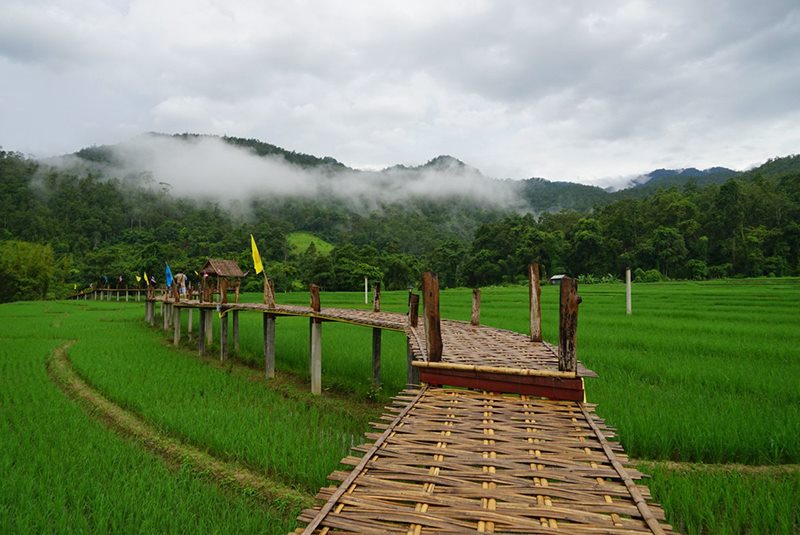
Kho Ku So Bridge is a quiet rural attraction in Pai District, Mae Hong Son, where a bamboo walkway provides a close view of the surrounding landscape and local agricultural setting. Often described through several spellings, including Kho Khu So Bridge in Pai and Pai Bamboo Bridge, it is best approached as part of a broader countryside itinerary rather than as an isolated stop. The experience depends as much on the journey and the pace of the visit as on the bridge itself. For travelers starting in Chiang Mai, a driver arrangement can make the long route toward Pai and Mae Hong Son easier to shape around weather, walking ability, family needs, and preferred stopping times. A Chiang Mai To Mae Hong Son Driver Tour Package may suit visitors who want a vehicle and driver while keeping more control over the day than a fixed sightseeing schedule usually allows. Local tours in Chiang Mai can also help with the first part of the trip, especially when travelers want guidance before continuing into the mountains. This guide focuses on practical choices rather than fixed prices, guaranteed availability, or rigid itineraries. It explains how to think about transport, what to ask when comparing arrangements, and how Pai Walking Street and Land Split Pai can extend a visit without turning it into an overcrowded checklist.
Why a driver arrangement works for the route
The road journey from Chiang Mai toward Pai and onward into Mae Hong Son province involves substantial travel time and winding mountain sections. For many visitors, the main value of hiring a driver is not simply avoiding navigation. It is the ability to divide the route into manageable portions, pause when passengers need a break, and spend more time at selected places instead of following a tightly timed group program. This can be especially useful for families, older travelers, and anyone carrying photography equipment or day bags.
A driver-led journey also separates driving responsibilities from sightseeing. Visitors can look out at the changing hills, discuss possible stops, and arrive at Kho Ku So Bamboo Bridge with more energy for walking. The bridge is a modest cultural and scenic attraction, so it generally works best when treated as one meaningful stop within a day or multi-day route. Allowing room for unplanned pauses can make the overall experience calmer, particularly when road conditions or weather affect travel speed.
When considering a Chiang Mai To Mae Hong Son Driver Tour Package, confirm the geographic scope before booking. Some arrangements may concentrate on Pai, while others are designed for a longer Mae Hong Son route. Ask whether the proposed plan includes time for Kho Ku So Bridge, how waiting time is handled, and whether the vehicle is suitable for the number of passengers and luggage. It is also sensible to clarify communication, pickup arrangements, fuel or entrance-related expenses, and what happens if rain changes the order of outdoor stops.
A flexible vehicle does not mean every request can be added without limit. Distance, road conditions, daylight, and driver rest all influence what is reasonable. A responsible itinerary should avoid rushing from one viewpoint to another simply to collect names. For this attraction, a slower plan with a clear return route is generally more useful than an ambitious schedule that leaves little time to appreciate the agricultural surroundings.
How to compare Chiang Mai to Mae Hong Son options
Travel arrangements from Chiang Mai to Mae Hong Son can take several forms. A driver-and-vehicle service may provide the most room for adjustment, while a standard tour can offer a prepared route and a guide or coordinator. A van-based option may be practical for relatives or friends traveling together, but its departure times and stopping pattern may be less adaptable. The right choice depends on whether the priority is independence, interpretation, shared cost, or a simple transfer between destinations.
For a visit centered on Kho Ku So Bridge, look beyond the package title and examine the actual travel logic. Does the route pass through Pai at a useful point in the journey? Is the bridge being treated as a brief photo stop or as part of a more relaxed countryside visit? Does the plan leave enough time for walking and for travelers who move more slowly? These questions are more revealing than broad claims about a tour being comprehensive or convenient.
A useful planning conversation should include the number of travelers, children’s ages, mobility considerations, preferred start and finish areas, and the amount of luggage. Parents may want a stop where children can stretch their legs, while other travelers may prefer fewer interruptions and longer visits. Visitors should also mention whether they hope to spend time at Pai Walking Street or Land Split Pai, since adding places in a different direction can affect the day’s rhythm.
Seasonal conditions deserve attention as well. Bamboo walkways and rural paths may feel different after rain, and outdoor attractions can be less comfortable during intense heat. Travelers should check current local conditions through their accommodation, driver, or an established local source before setting out. Rather than assuming that every attraction will operate in exactly the same way each day, build a little flexibility into the plan and keep a suitable alternative pace in mind.
Using Chiang Mai local tours as a starting point
Chiang Mai Local Tours can complement a Mae Hong Son journey without determining the entire itinerary. A locally based tour may introduce visitors to northern Thai landscapes, food traditions, temples, markets, or craft communities before they travel west toward Pai. This can give first-time visitors useful context and help them understand that the region is not only a collection of scenic stops, but also a living area where people work, worship, farm, and travel between communities.
For travelers who do not need a full guided route, a shorter local experience in Chiang Mai may be a practical first step. It can provide orientation, while the later Pai and Mae Hong Son portion is handled through a driver arrangement. This split approach suits visitors who want some interpretation but do not want a guide beside them for every hour of a longer trip. It may also help families ease into northern travel before undertaking the mountain road.
When choosing among Chiang Mai local tours, consider the subject and scale of the experience. A small cultural walk, food-focused outing, or countryside visit creates a different preparation for Kho Ku So Bridge than a busy city sightseeing circuit. Ask how much time is spent traveling between stops, whether community visits are conducted respectfully, and whether the activity involves photography or interaction with local residents. Ethical tourism means following instructions, asking permission before photographing people, and avoiding behavior that turns homes or religious spaces into spectacles.
The local tour and the Pai itinerary should support each other rather than compete. If the Chiang Mai activity finishes late or leaves travelers tired, the next day’s mountain travel may feel unnecessarily demanding. A planning-first approach therefore considers recovery time, luggage transfers, meal breaks, and the interests of everyone in the group. The goal is a coherent journey in which each part adds understanding or enjoyment, not a sequence of disconnected reservations.
Planning a considerate visit to the bamboo bridge
Kho Ku So Bridge is best experienced with attention to its rural setting. Visitors should keep voices moderate, remain on appropriate walkways, and avoid climbing on structures or entering planted areas unless clearly invited. The bridge may look simple in photographs, but it belongs to a real landscape shaped by local work and community life. Treating it as a place rather than a prop helps preserve a respectful relationship between visitors and residents.
Comfortable walking shoes are useful because the visit may include uneven ground, natural surfaces, or warm open areas. Carry water, sun protection, and only the belongings that are easy to manage on foot. Families traveling with young children should supervise them closely around edges, crossings, and any wet or slippery sections. A driver can usually help identify a practical drop-off point, but visitors should not assume that every part of the approach is suitable for vehicles or wheelchairs.
The familiar name Kho Kuu So Bamboo Bridge may appear in travel conversations, maps, or informal recommendations, while spellings can vary between sources. Checking the exact location with the person arranging transport is worthwhile, particularly when the itinerary includes several rural attractions. This simple step reduces confusion and helps the driver plan a realistic route rather than relying on a similar-sounding place name.
Allow time to observe rather than only take photographs. The appeal lies in the relationship between the bamboo path, fields, distant hills, and the rhythm of the countryside. Weather can change the color and atmosphere of the landscape, so an early or later visit may feel different from a bright midday stop. There is no need to force a long stay if conditions are uncomfortable, but leaving a little unhurried time usually makes the attraction more rewarding.
Extending the route beyond the bridge
Once the bridge visit has been given enough time, the itinerary can shift between Pai’s social center and its agricultural surroundings. These two stops provide different perspectives and are most useful when added according to the day’s pace rather than treated as mandatory checkboxes.
Pai Walking Street
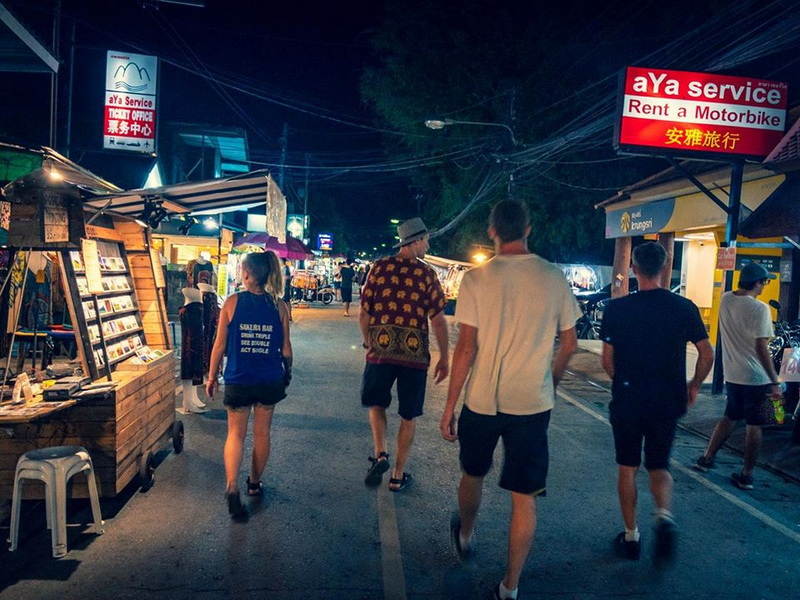
Pai Walking Street is a useful contrast to the quiet setting of the bridge. In the evening, the area is associated with food stalls, small shops, and a lively pedestrian atmosphere, although the exact mix of vendors and activity can change. It offers an opportunity to eat, browse locally made goods, and observe how Pai’s visitor economy works without treating the market as a substitute for the district’s rural communities.
For a flexible itinerary, Pai Walking Street can be placed after a countryside outing when travelers are ready for food and an easy stroll. Keep expectations practical: crowds, weather, and opening patterns may vary, and not every stall will suit every dietary need. Travelers should carry small essentials, keep personal belongings secure, and be considerate when photographing vendors or busy public spaces.
Land Split Pai
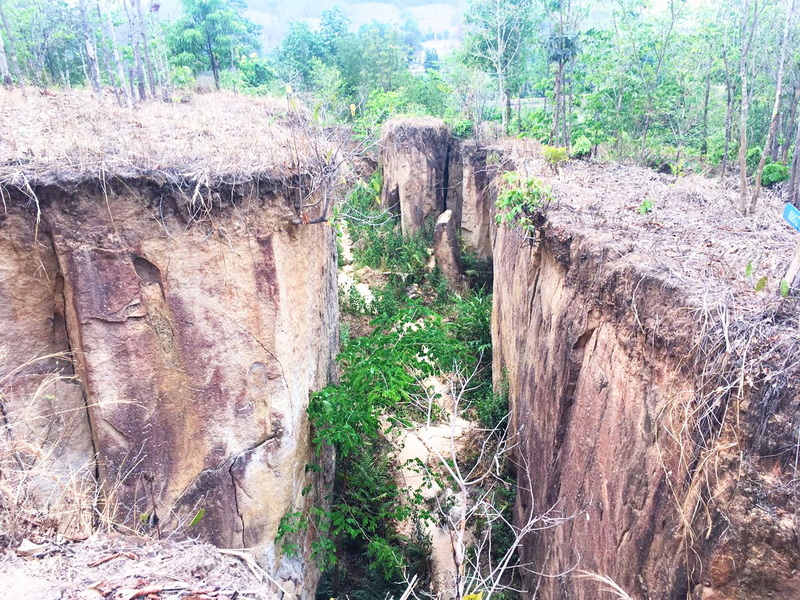
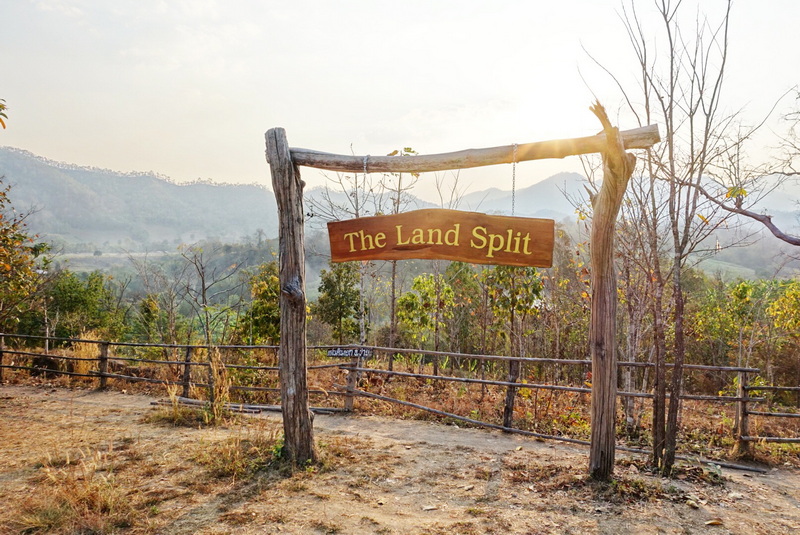
Land Split Pai is a rural stop known for a visible break in the ground associated with local agricultural land. Its interest comes from the combination of a natural feature and the surrounding farm setting. Visitors should follow the property’s guidance, stay within areas open to guests, and remember that the land is connected to local livelihoods rather than being an empty geological display.
The site can pair naturally with Kho Ku So Bridge because both encourage travelers to look beyond Pai’s central streets. However, the two stops should not be forced into a rushed schedule. Discuss the route with the driver, allow time for road conditions, and check current access information before departure. A respectful visit may include purchasing refreshments or farm products when offered, while avoiding assumptions about what is included or expected.
A more adaptable way to reach Pai District
Planning a visit to Kho Ku So Bridge is mainly an exercise in matching transport with the character of the region. A driver arrangement can create useful breathing room on the mountain route, while Chiang Mai Local Tours can provide cultural orientation before the journey continues. Confirm the route, clarify practical details, and leave space for weather and walking needs. With Pai Walking Street and Land Split Pai considered as optional extensions, travelers can build a balanced itinerary that respects both the landscape and the communities that make this part of Mae Hong Son distinctive.

No comments:
Post a Comment