Full Day Cultural Encounters on Chiang Rai Khon Muan Street
A thoughtful route through local markets, heritage landmarks, and landscapes around Mueang Chiang Rai
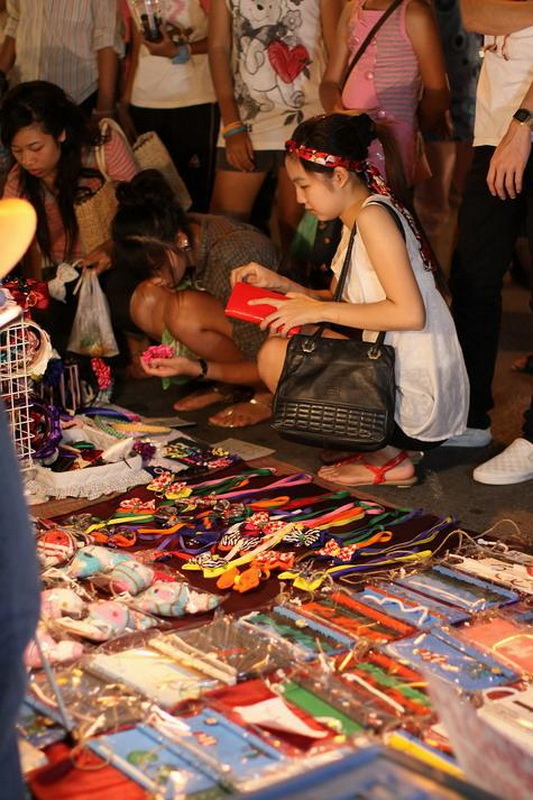
Chiang Rai Khon Muan Street offers more than an evening place to browse food stalls and handmade goods. In Mueang Chiang Rai District, Chiang Rai, the walking street provides a useful meeting point between everyday commerce, northern Thai culture, and the wider heritage landscape of the province. Visitors can approach it as a market, but also as a place to observe how food, craft, language, and social life share public space. A full-day visit works particularly well for travelers who want context rather than a quick checklist of attractions. Time around the street can be combined with historical interpretation at the King Mangrai Monument and a quieter nature experience in Lam Nam Kok National Park. These settings are different in character, yet together they help explain the relationship between Chiang Rai’s urban identity, its founding history, and the riverine landscape beyond the city. This guide focuses on cultural experiences and responsible planning. It does not promise a fixed event program or prescribe one exact itinerary. Instead, it shows how to connect Chiang Rai Walking Street with nearby heritage and nature, while leaving room to observe local life respectfully.
Reading Chiangrai Khon Muan Street as a Living Cultural Space
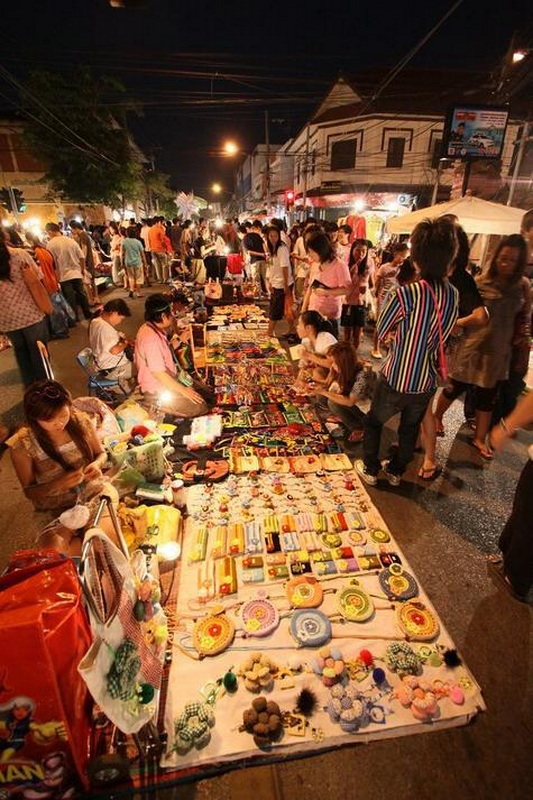
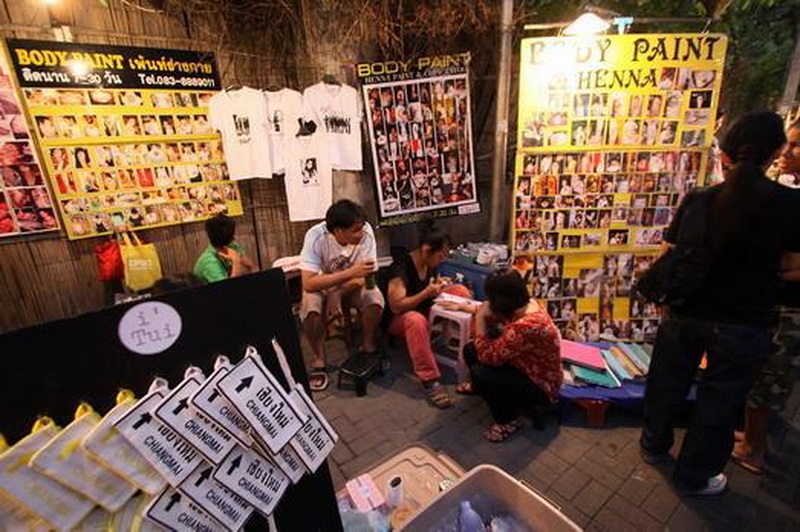
Chiangrai Khon Muan Street is best understood as a public gathering place rather than simply a shopping stop. Walking through the market area may reveal prepared foods, regional snacks, small craft products, clothing, household items, and creative work made or sold by local vendors. The exact mix can change, so the value of the visit lies partly in paying attention to the people and practices present on the day rather than expecting a standardized attraction.
Food is an accessible way to begin understanding northern Thai culture. Dishes may reflect the region’s preference for herbs, fermented flavors, chili-based relishes, noodles, grilled foods, and shared portions, although visitors should ask about ingredients when they have dietary concerns. Trying a small amount, observing how locals use communal spaces, and avoiding waste are more considerate than treating unfamiliar food as a spectacle.
Crafts also carry cultural meaning. Textiles, baskets, woodwork, and decorative objects can express regional techniques and contemporary creativity, but not every item should be assumed to represent an ancient tradition. A polite conversation with a vendor, when welcomed, can clarify whether a product is handmade, locally designed, or commercially sourced. Asking before photographing people or their work is a simple way to show respect.
How a Chiang Rai Full Day Tour Can Create Cultural Context
A Chiang Rai Full Day Tour linked to the walking street should be planned around themes rather than a race between locations. One useful theme is the movement from public market life to historical memory and then to the natural setting that surrounds the city. This approach gives each stop a purpose and allows travelers to notice connections instead of collecting isolated photographs.
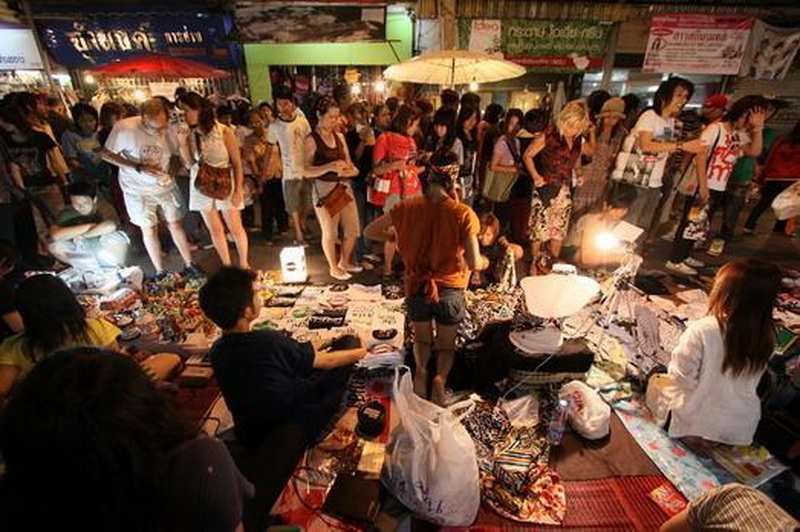
Begin with questions about place. What foods are associated with northern Thailand? Which products seem intended for daily use, and which are made for visitors? How do vendors arrange their stalls and interact with returning customers? These observations can make the market more meaningful without requiring a formal guide. Travelers using a guided tour can also ask the guide to explain local terminology, customary etiquette, and the background of foods or crafts.
The middle of the day can be devoted to a heritage site or monument, followed by time outdoors. Exact ordering depends on the tour provider, weather, personal mobility, and the conditions of each location. The important planning principle is balance: allow enough time to look carefully, eat without rushing, and respond to local circumstances. A full day should feel spacious enough for learning, not merely longer than a half-day schedule.
Travelers arriving from Chiang Mai may see the visit as an extension of their interest in Chiang Mai Cultural Attractions, but Chiang Rai deserves attention on its own terms. Northern Thailand is not a single, interchangeable cultural zone. Chiang Mai and Chiang Rai share broad regional influences while possessing distinct histories, communities, urban forms, and artistic identities. A respectful tour avoids presenting one city as a decorative preview of the other.
From Market Encounters to Heritage Understanding
The cultural value of Chiang Rai Walking Street grows when visitors connect what they see with the province’s longer history. Market life is contemporary and practical, while monuments and heritage sites point toward political foundations, religious change, trade, migration, and the continuing development of northern communities. These layers should not be flattened into a single story of timeless tradition.
Responsible observation means distinguishing between participation and performance. Visitors can purchase from local sellers, taste regional food, and listen to music or public presentations when available, but they should not demand staged behavior or assume that every cultural expression exists for tourist entertainment. Modest clothing at religious or commemorative places, quiet conduct where appropriate, and attention to posted guidance help maintain a respectful atmosphere.
A useful conversation with a local guide can add nuance, especially when a traveler wants to understand the relationship between the market and the surrounding city. Questions about ingredients, materials, place names, and community history are generally more constructive than asking for an exotic story. If language creates a barrier, patience and a translation tool can help; neither should be used to pressure someone into an interaction.
Two Complementary Extensions Beyond the Street
The King Mangrai Monument provides a historical counterpoint to the changing atmosphere of the market. King Mangrai is associated with the formation of the Lanna kingdom and the founding history of Chiang Rai, so the monument can encourage visitors to consider how political authority and regional identity shaped the city. It is better approached as a place of public remembrance than as a backdrop detached from its historical meaning.
At the monument, travelers should allow space for local forms of respect and follow the behavior of people who come to pay their respects. Avoid climbing on structures, blocking access, or turning devotional activity into a photo opportunity. A guide or reliable interpretive source can explain the historical context, while visitors should remember that simplified tourist narratives may leave out complexities in the region’s past.
Lam Nam Kok National Park offers a different kind of cultural insight through landscape. The Kok River and surrounding forested areas have long influenced settlement, farming, travel, and recreation in the wider region. A visit here can slow the pace after an urban market and encourage attention to water, vegetation, terrain, and the ways communities depend on natural environments.
Nature visits still require restraint. Stay on appropriate paths where provided, carry waste out, avoid disturbing plants or animals, and respect local restrictions. No wildlife sighting should be expected or promised. The park is not simply an attractive background for a city tour; it is a living environment with ecological value and with meaning for people who use the surrounding landscape. A thoughtful itinerary treats outdoor time as observation and learning rather than consumption.
Practical Choices for a Culturally Focused Visit
When comparing full-day tour options, look beyond the number of stops. Consider whether the description allows time for local markets, historical explanation, and nature without reducing each place to a brief photo pause. A smaller group may make conversation easier, while an independent visit can provide more freedom to linger. Neither format is automatically more authentic; the quality of interpretation and the traveler’s conduct matter more.
Check what is included before confirming any tour, particularly meals, entrance arrangements, accessibility support, and the amount of walking involved. Conditions can change, and published descriptions may not capture weather, temporary closures, or local events. Travelers with mobility, dietary, or medical needs should communicate those requirements in advance rather than assuming that every cultural or natural site offers the same facilities.
For the market itself, carry reusable items where practical, bring only the cash or payment method that is appropriate for the setting, and keep personal belongings secure without treating vendors as suspicious. Buying directly from small sellers can support local livelihoods, but bargaining should remain courteous and proportionate. If a purchase is not suitable, a friendly refusal is enough.
Most importantly, allow the day to remain observational. Chiang Rai Khon Muan Street is not a stage on which visitors are the central characters. It is part of a city where people work, eat, meet, remember, and create. Approaching the street, the monument, and the park with curiosity and humility leads to a richer experience than trying to extract a dramatic moment from each stop.
Nearby Attractions
King Mangrai Monument
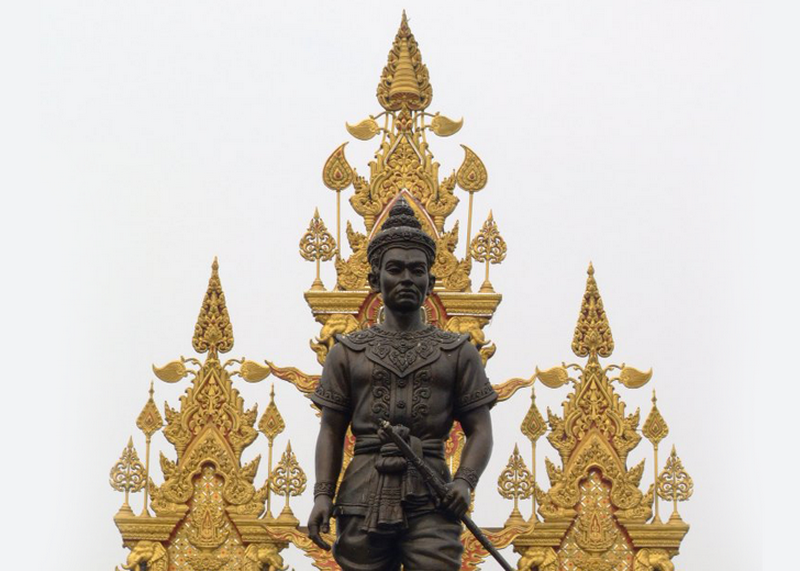
The King Mangrai Monument is a meaningful historical landmark to pair with a visit to the walking street. It commemorates King Mangrai, a central figure in the history of the Lanna kingdom and in Chiang Rai’s founding narrative. The monument helps place the modern city within a longer story of regional leadership, settlement, and identity.
Visitors should approach the site respectfully, especially when people are making offerings or paying their respects. Observe local behavior, keep pathways clear, and use the visit to learn rather than treating the monument only as a convenient photograph. Its importance comes from remembrance as well as from its visual presence.
Lam Nam Kok National Park
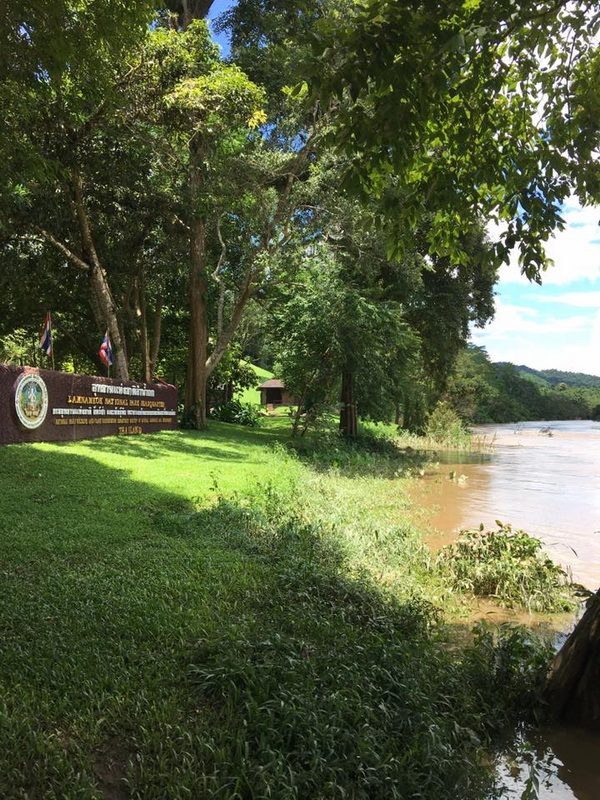
Lam Nam Kok National Park adds a natural dimension to a cultural day around Chiang Rai Walking Street. The park’s river and forest landscapes invite a slower form of attention, offering a way to think about how water, terrain, and natural resources relate to life in northern Thailand. It can complement the human activity of the market with space for quiet observation.
Conditions and suitable activities may vary, so travelers should follow current local guidance and avoid making assumptions about access or wildlife. Keep noise and waste to a minimum, remain considerate of other visitors, and leave natural features undisturbed. The strongest connection between the park and the city is not a promise of adventure, but an understanding that culture develops within a particular environment.
Bringing the Experience Together
A visit to Chiang Rai Khon Muan Street becomes more rewarding when it is treated as an introduction to place rather than an isolated market stop. Local food and craft provide an everyday entry point; the King Mangrai Monument adds historical perspective; and Lam Nam Kok National Park broadens the view to the landscapes that support life around the city. With flexible planning, respectful conduct, and time for genuine observation, a full-day cultural route can encourage curiosity without turning local heritage into a spectacle.

No comments:
Post a Comment