Old Rubber Tree Road for a Calm Chiang Mai Day Out
A practical route for relaxed sightseeing between Chiang Mai and Lamphun
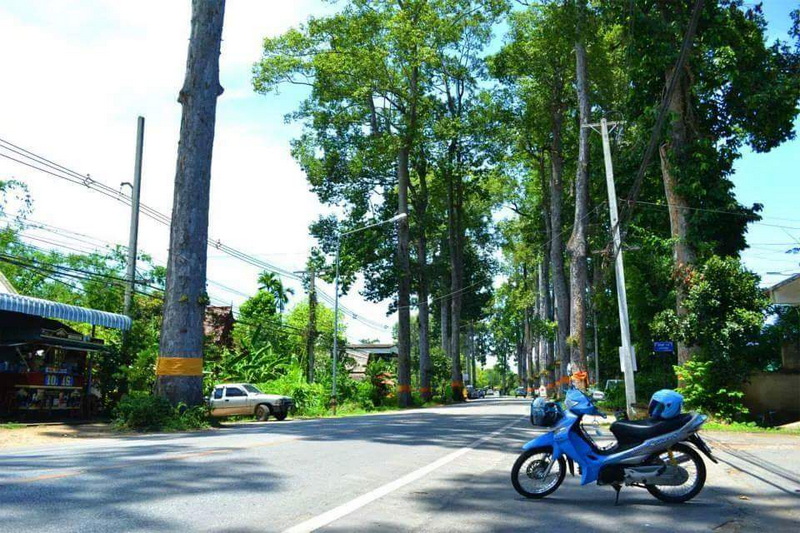
A day trip does not always need a packed schedule. For travelers who prefer changing scenery, quiet observation, and a few carefully chosen stops, Old Rubber Tree Road offers a more measured way to see the area south of Chiang Mai. The route is associated with Saraphi District and continues toward Mueang Lamphun District, where rows of mature roadside trees create a distinctive landscape between the two provinces. The road is best approached as a sightseeing corridor rather than a single attraction with a fixed program. Its appeal comes from the transition between urban Chiang Mai, greener roadside stretches, village surroundings, and the historic atmosphere of Lamphun. This makes it useful for an unhurried half-day outing or as one part of a broader regional itinerary. This guide focuses on planning rather than package tours or strict schedules. It explains how to make the road the central experience, what to notice along the way, and how to combine it with two contrasting stops: Wat Phra Yuen and Art in Paradise Chiang Mai. Together, these options allow Chiang Mai Day Trips And Sightseeing to include natural scenery, cultural reflection, and indoor visual entertainment without making the day feel overfilled.
Begin with the Road as the Main Experience
The most useful way to plan a visit to The Rubber Tree Road is to treat the journey itself as the attraction. Instead of rushing from one landmark to another, allow time to notice the repeated lines of trees, the changing light, roadside homes, and the ordinary activity of communities along the route. The setting is not a theme park or a formal museum, so its character is found in the landscape and in the rhythm of traveling through it.
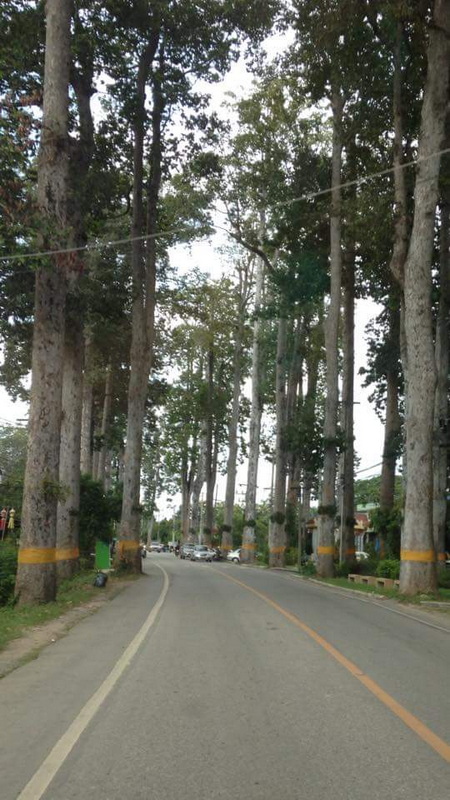
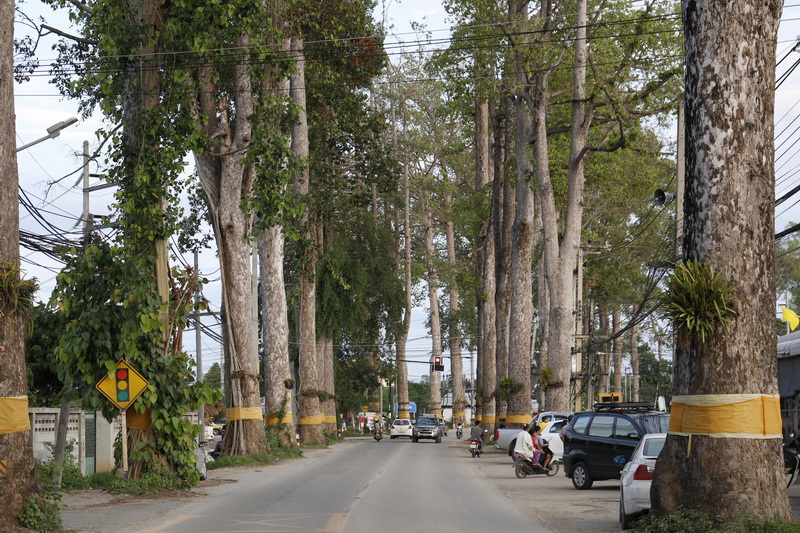
The road connects the Chiang Mai area with Lamphun and is commonly linked with the old trees that shade sections of this regional route. Their presence gives the journey a strong visual identity, particularly for visitors looking for an alternative to busy city sightseeing. A short stop for photographs may be appropriate where it is safe and does not obstruct residents, cyclists, or other road users. Travelers should avoid climbing trees, entering private land, or treating homes and local activity as background props.
This kind of outing suits people who enjoy flexible pacing. A visitor might spend the first part of the day following the tree-lined route, pause for a meal or refreshment in an appropriate public setting, and then continue toward a temple or return to Chiang Mai for an indoor attraction. The exact order can change according to weather, personal interests, and available time. The important planning decision is to leave space for observation rather than measuring the experience by the number of stops.
What to Notice During the Sightseeing Drive
Sightseeing along this route is primarily visual and contextual. Look for the way mature trees frame the road, how the canopy changes the feel of the journey, and how the built environment gradually gives way to a less concentrated landscape. These details help explain why a regional road can be meaningful to visitors even when it has no entrance gate, ticket counter, or single viewing platform.
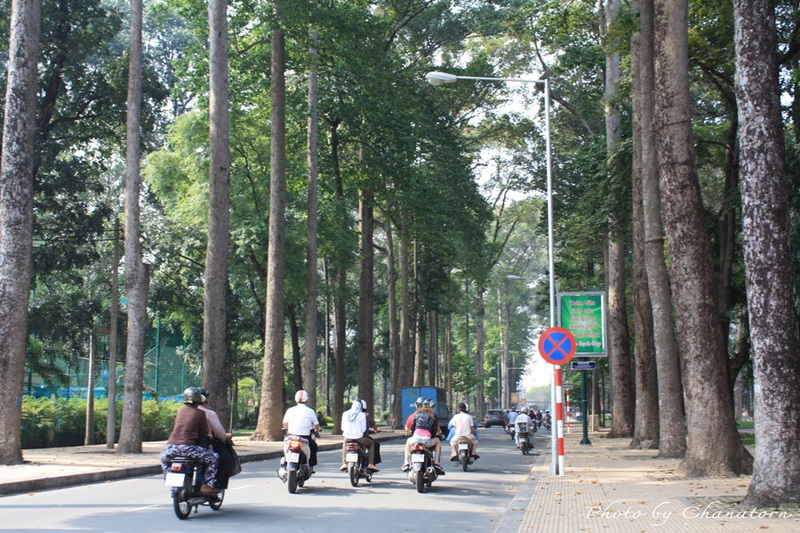
The route also encourages a broader view of northern Thailand. Chiang Mai and Lamphun are close enough to combine in one outing, yet they offer different layers of urban, religious, and historical character. The road creates a link between them that can be appreciated slowly. Rather than presenting local communities as an exotic spectacle, responsible sightseeing means recognizing that this is a lived-in route used for daily movement and work.
Photography is one possible activity, but it should remain secondary to safety and respect. Do not stop in the middle of the road or stand in traffic lanes for a better angle. Ask before photographing people, businesses, or private property. If a roadside area appears busy or unsuitable for stopping, continue onward and appreciate the scenery from a safe position. These simple choices make the visit more considerate and usually produce a calmer experience as well.
Weather can change the character of the outing. Bright conditions may emphasize the repeating trunks and shadows, while overcast weather can make the landscape feel softer and more subdued. A flexible plan is therefore more practical than one dependent on perfect photographic conditions. If the heat becomes uncomfortable, a shorter road segment followed by an indoor or temple visit can preserve the day’s balance.
Build a Flexible Chiang Mai Excursion
A practical day plan begins by deciding how much time should be devoted to the road itself. Visitors interested in landscape may prefer a slower journey with occasional safe pauses. Those using the route as a connecting experience may spend less time outside and reserve more of the day for Lamphun or central Chiang Mai. Both approaches are valid, and neither requires a rigid itinerary.
Tours in Chiangmai can take many forms, but this destination is especially suitable for a private or self-directed sightseeing style in which the pace can respond to the surroundings. If joining a guided outing, it is sensible to confirm that the plan allows genuine viewing time rather than treating the road only as a passing transfer. A guide may also help explain the regional setting, but visitors should still expect the experience to be based on scenery rather than a long list of formal exhibits.
A useful planning framework is to choose one primary theme and one supporting theme. The primary theme might be the tree-lined road and the relationship between Chiang Mai and Lamphun. The supporting theme could be a temple visit, a creative indoor attraction, or general city sightseeing. Selecting only one or two additions keeps the day manageable and reduces the temptation to spend more time in transit than at the places being visited.
Practical preparation is uncomplicated but worthwhile. Carry water, sun protection, and comfortable clothing for a warm outdoor environment. Wear suitable clothing when including a temple, with shoulders and knees covered where appropriate, and behave quietly in worship spaces. Keep an eye on traffic, especially when crossing or considering a photograph. Because roadside conditions and local access can vary, visitors should check current maps and local guidance before setting out rather than relying on assumptions about stopping points.
Choose a Route Combination That Matches Your Pace
For a relaxed day, make the road the morning focus and add one substantial stop afterward. This gives the tree-lined scenery enough attention while leaving room for a meaningful visit elsewhere. A traveler interested in heritage might continue toward a temple setting, while someone seeking a more playful city experience could return toward Chiang Mai for an interactive indoor attraction.
Another option is to use the route as one section of a Chiang Mai–Lamphun sightseeing loop. In this format, the road provides the transition between destinations instead of being treated as a quick photo stop. The benefit is a stronger sense of place: the day includes not only individual landmarks but also the landscape connecting them. The drawback is that too many extra stops can make the schedule tiring, so it is better to select carefully.
The Rubber Tree Road can also work for repeat visitors who have already seen central Chiang Mai’s best-known sights. Its appeal is less about checking off a famous monument and more about noticing a regional setting at a slower speed. That makes it a useful choice when the goal is a change of pace, a scenic drive, or a gentle introduction to the area south of the city.
When planning the Rubber Tree Road Chiang Mai-Lamphun experience, allow the route to remain open-ended. Local traffic, weather, road activity, and personal energy may influence the day. A successful outing does not depend on completing every possible attraction. It depends on choosing a realistic combination and leaving enough attention for the landscape that made the route worth visiting.
Two Thoughtful Additions to the Route
Once the tree-lined journey has provided its main scenic impression, a carefully chosen additional stop can give the day more variety. These two options offer different kinds of attention: one is contemplative and cultural, while the other is creative and interactive.
Wat Phra Yuen
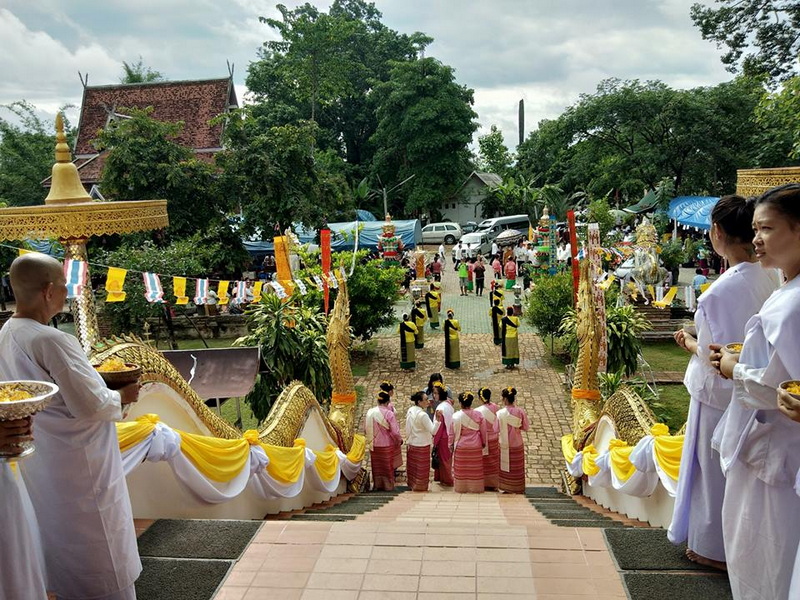
Wat Phra Yuen offers a cultural continuation for travelers who want the day to include a respectful temple visit. As with any active religious site, visitors should enter quietly, dress appropriately, follow posted guidance, and avoid interrupting worship or community activities. The value of the stop is not only visual; it also provides a chance to understand how religious spaces remain part of everyday life in the region.
Placed after the slower road experience, the temple can add a more reflective dimension to the itinerary. Take time to observe architectural details and the arrangement of the grounds without turning the visit into a rushed photo session. Travelers should also remember that temple spaces are places of devotion, not simply sightseeing backdrops. A calm visit pairs naturally with the measured pace of the road.
Art in Paradise Chiang Mai
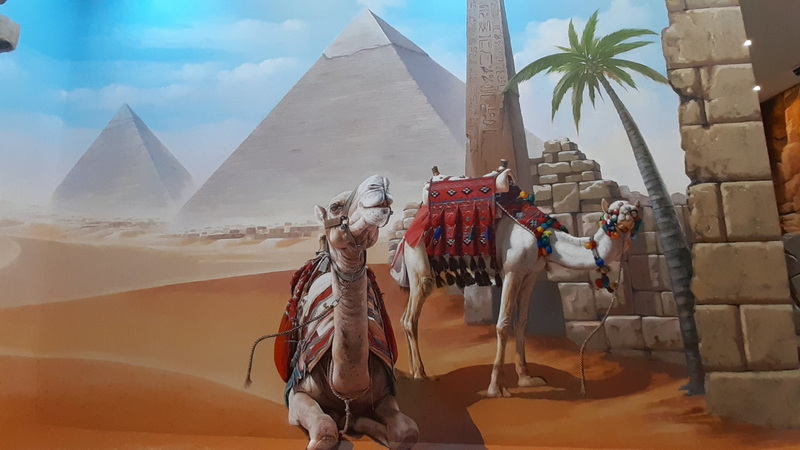
Art in Paradise Chiang Mai provides a contrasting option for the same day. Its indoor, illusion-oriented presentation gives visitors an opportunity to interact with visual artworks and take photographs in a more structured setting. This can be a useful change after time spent outdoors, especially when travelers want a creative activity rather than another landscape view.
The attraction suits an itinerary built around variety: the road supplies open-air scenery, while the museum-style experience offers visual play and a different pace of engagement. Visitors should follow the venue’s current instructions and respect other guests while taking photographs. Pairing the two stops works best when the road remains the day’s regional sightseeing focus and the indoor visit serves as a complementary finish rather than the main reason for traveling south.
Let the Landscape Set the Pace
Old Rubber Tree Road is most rewarding when approached without pressure to turn every minute into an attraction. Give the trees, surrounding communities, and changing route enough attention, then add one nearby experience that matches your interests. With Wat Phra Yuen for a quieter cultural stop or Art in Paradise Chiang Mai for a lively indoor contrast, the journey can become a balanced day of regional sightseeing. Plan carefully, travel respectfully, and leave room for the road itself to shape the outing.
