Baan La-Up as a Cultural Stop on a Mae Hong Son Driver Tour
A practical, respectful guide to village visits, scenic routes, and surrounding attractions from Chiang Mai
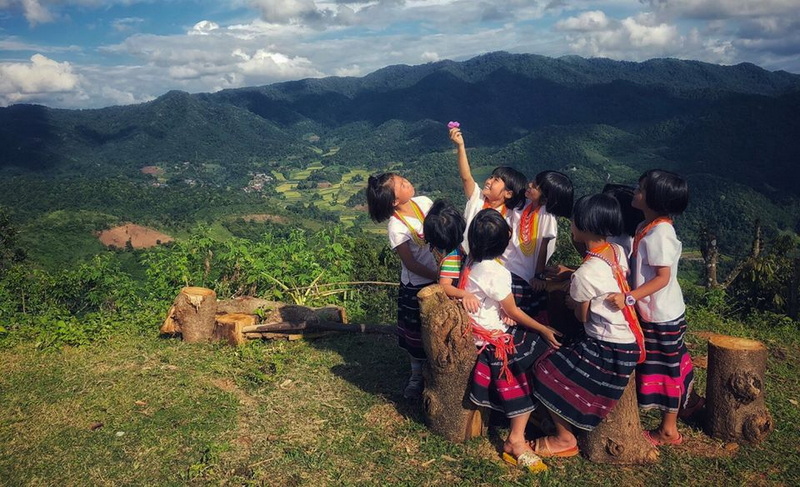
Baan La-Up is a community point of interest in Mae La Noi District, Mae Hong Son, where a visit is best understood through place, landscape, and everyday local life rather than through a checklist of staged attractions. The village is also written as Ban La-Up, Ban Lao-Up, or Ban Lua-Up in travel searches, so visitors may encounter several spellings while planning a route. Its setting in the mountainous Mae Hong Son region gives the journey a strong sense of distance from Chiang Mai and makes the approach part of the experience. For travelers comparing Mae Hong Son Tourist Attractions, the village offers a quieter cultural and natural perspective. A driver-based journey can make practical sense because the route involves a substantial overland trip, changing mountain scenery, and the need to allow time for stops without concentrating only on a famous viewpoint. This guide explains how Ban La-Up fits into tour planning, what to observe respectfully, and how nearby places can add context without turning the community into a rushed photo stop. The aim is not to suggest a guaranteed itinerary or a particular commercial operator. Instead, it provides a framework for discussing a Chiang Mai departure with a driver or tour planner, checking what is realistic, and approaching Ban La-Up with appropriate expectations.
Understanding Ban La-Up as a Place to Visit
Ban La-Up is located in Mae La Noi District, within Mae Hong Son Province in northern Thailand. The district is known for mountainous terrain and dispersed communities, so the village should be viewed as part of a wider rural landscape rather than as an isolated attraction with a compact entertainment program. The road journey, cultivated slopes, forested surroundings, and changing elevations all help explain the character of the area.
The appeal of a visit comes from observing how a local community occupies its environment. Buildings, paths, gardens, small working areas, and views across the hills may be more meaningful than a formal attraction designed for mass tourism. Conditions can change with weather and local activity, and not every part of the village should be assumed to be open for visitors. A considerate traveler follows signs, listens to the driver or local guide, and avoids entering private spaces without permission.
Ban La-Up Mae Hong Son is therefore most suitable for people who value cultural context and slower sightseeing. A short stop can provide visual impressions, but a more rewarding visit leaves room for quiet observation. Notice the relationship between settlement and landscape, the practical use of roads and homes, and the ordinary rhythm of community life. These details should be treated as living realities, not as scenery arranged for visitors.
Several spellings can create confusion when searching for maps or tour discussions. Ban La-Oop and Baan La-Oop are among the forms that may appear online, while Ban La-Up is also widely used. Checking the location in Mae La Noi District is more useful than relying on spelling alone. Travelers should confirm that a proposed stop refers to the same community before finalizing a route.
How Driver Tour Language Helps with Planning
The phrase Chiang Mai To Mae Hong Son Driver Tour Package generally describes a private or arranged road journey in which a driver helps cover the long distance between Chiang Mai and destinations in Mae Hong Son Province. It does not, by itself, confirm a fixed schedule, vehicle type, guide service, entrance arrangement, or specific village stop. These details vary by provider and should be checked directly before travel.
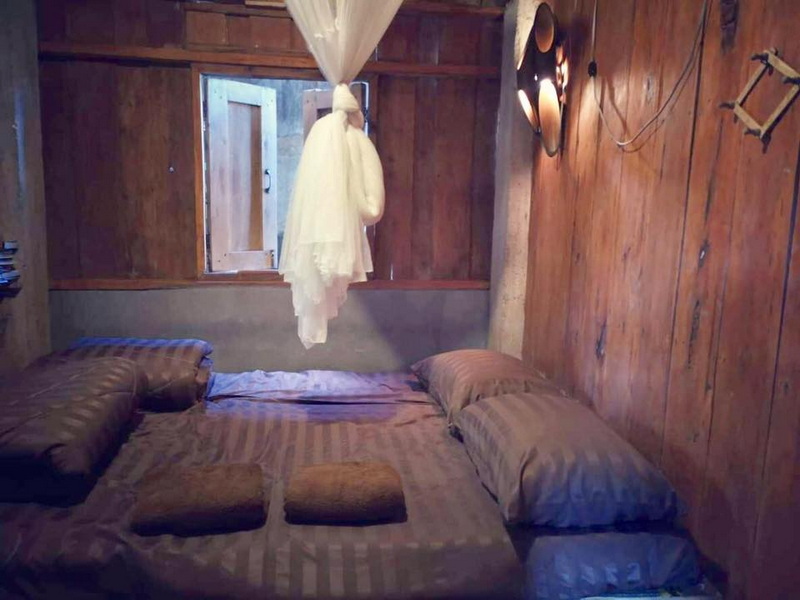
For Ban La-Up, a driver-based arrangement can be useful because travelers may want flexibility around road conditions, rest stops, and the amount of time spent in the Mae La Noi area. A driver familiar with the region may also help identify practical stopping points and communicate basic expectations, although visitors should not assume that every driver is a cultural guide or speaks every local language. Asking clear questions in advance helps prevent misunderstandings.
Related searches may include a Chiang Mai to Mae Hong Son road trip, a Mae Hong Son loop journey, or a private sightseeing transfer. These terms describe different planning ideas rather than guaranteed products. Some travelers may be looking for direct transport, while others may want a multi-stop regional journey. When making an inquiry, state that Ban La-Up is a desired point of interest and ask whether the proposed route allows enough time for a respectful visit.
Useful questions concern the general route, estimated driving demands, flexibility, road experience, and whether nearby points of interest can be considered. It is also sensible to ask how weather or road conditions could affect the day. Avoid choosing a package solely because it lists many destinations. A shorter, well-paced plan may provide a better experience than an ambitious schedule that reduces every community to a brief roadside stop.
Travelers should also distinguish between a driver and a licensed guide. A driver may focus on safe transport and route logistics, while a guide may provide historical or cultural interpretation. If interpretation is important, ask whether that role is included rather than assuming it. This approach supports clearer expectations and respects the knowledge of local residents whose community is being visited.
Cultural and Natural Points of Interest
The cultural interest of Ban La-Up lies in the community itself and in the opportunity to understand a rural settlement within the mountains of Mae Hong Son. Visitors should look beyond a single photographic subject and consider how homes, paths, cultivated areas, and surrounding terrain form a connected environment. Everyday activities may be visible, but observation should remain discreet and should never interfere with work, worship, family life, or movement through the village.
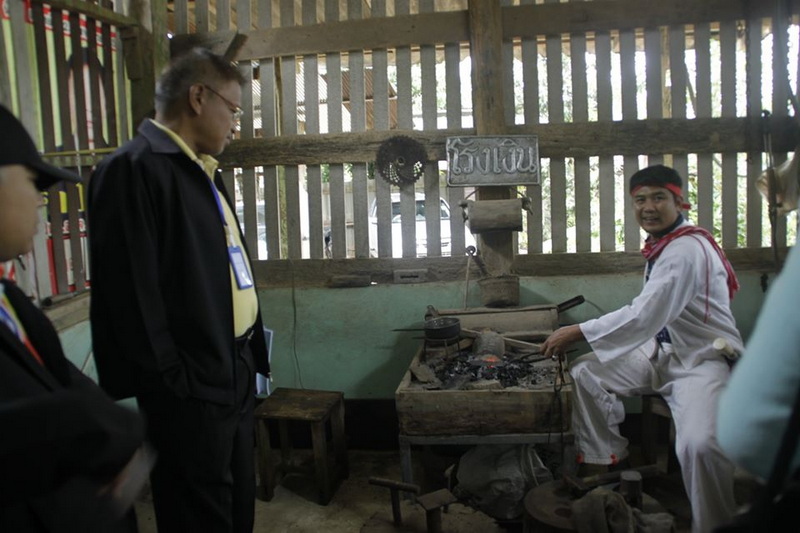
Photography deserves particular care. Ask before photographing people, especially children, homes, or personal belongings. A friendly greeting and a willingness to accept no answer are more important than obtaining a picture. Visitors should avoid assigning dramatic labels to local traditions or treating residents as an attraction. Buying appropriate local products when genuinely available, following local guidance, and keeping noise low are simple ways to make a visit more considerate.
The natural setting adds another layer to the experience. Mountain roads, forest edges, cultivated land, and open views can change in appearance according to season and weather. Slopes may be uneven, and rain can affect walking conditions. Comfortable shoes, drinking water, sun protection, and modest clothing are practical choices, while carrying rubbish out of the area helps protect the landscape. Travelers should remain on suitable paths and avoid collecting plants, rocks, or other natural materials.
The village is not necessarily a place for a highly programmed schedule. Its value may emerge through the contrast between the long approach from Chiang Mai and the quieter pace of the district. Allowing pauses can help visitors notice sound, elevation, vegetation, and patterns of settlement. This location-first perspective also prevents the common mistake of evaluating a community only by the number of formal attractions it contains.
For those building a broader Mae Hong Son plan, Ban La-Up can represent the cultural and environmental dimension of the region. It works especially well for travelers who want to balance better-known sights with places that encourage a more grounded understanding of northern Thailand. The key is to arrive with curiosity but without demanding a performance from the community.
Making the Visit Work Within a Regional Journey
Because Ban La-Up is in Mae La Noi District rather than near Chiang Mai, route planning deserves attention. A visitor should think in terms of a regional road journey, not an ordinary short excursion. The time required depends on the chosen starting point, road conditions, stops, and the wider route. A responsible planner avoids promising exact travel durations without current information and leaves room for weather, rest, and safe driving.
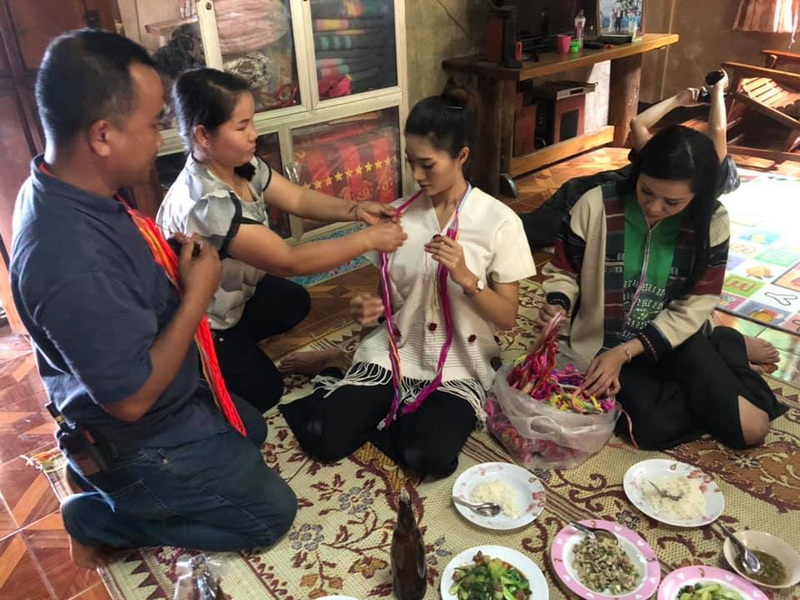
Before departure, confirm the destination spelling and location, the intended date, the preferred balance between driving and sightseeing, and whether the driver understands that the visit is cultural rather than purely photographic. It is also useful to discuss comfort needs, walking ability, and expectations about food or rest stops without assuming that every rural area offers the same facilities as a city. These conversations make a package inquiry more precise.
Visitors should carry essential personal items and be prepared for limited convenience during parts of a mountain journey. Mobile coverage, payment options, and access to services can vary outside urban areas, so basic preparation is sensible. This is general travel planning rather than a claim about conditions at every point in the village. Checking current local advice before setting out remains important.
A well-designed driver journey treats Ban La-Up as one meaningful part of a Mae Hong Son route. The driver can support the practical side of reaching the district, while the visitor remains responsible for respectful behavior and realistic expectations. When the schedule is not overloaded, there is greater opportunity to appreciate the landscape and to leave the community without causing disruption.
In this context, the best measure of a successful visit is not how many images or stops are collected. It is whether the journey gives travelers a clearer sense of Mae La Noi’s geography, whether the community is approached with dignity, and whether the route has been planned safely. That standard is useful for comparing tour proposals from Chiang Mai without relying on exaggerated promises.
Extending the Cultural and Landscape Route
Ban La-Up can stand on its own as a thoughtful village visit, but the surrounding district gives a driver journey more geographic and cultural depth. Two supplied nearby places provide useful contrasts when they fit the route and current access conditions.
Kaew Komol Cave
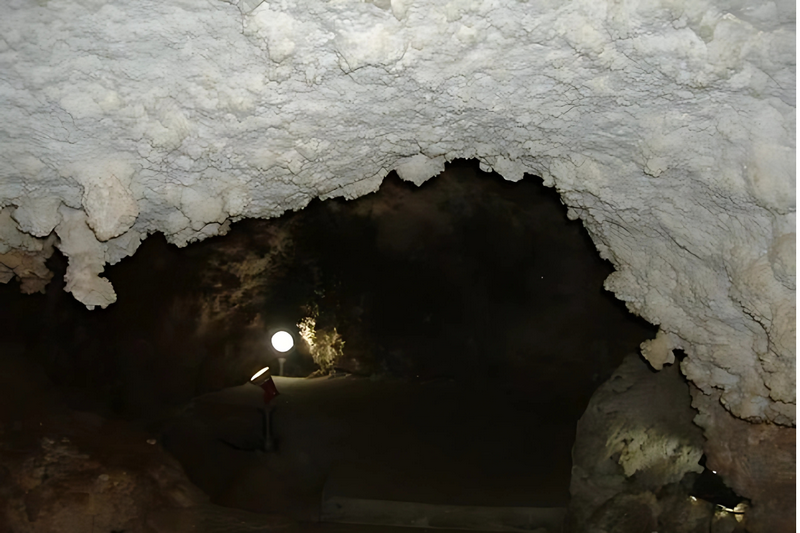
Kaew Komol Cave can add a geological dimension to a journey that includes Ban La-Up. Its cave environment offers a different way to understand the Mae La Noi area, shifting attention from community landscapes and mountain roads to the natural formations beneath the surface. Visitors should check current access information and local guidance because cave conditions, conservation needs, and visitor arrangements can change.
Placed thoughtfully within a driver route, the cave can provide contrast without competing with the village. Travelers interested in both cultural and natural points of interest may find this combination useful, provided the day allows enough time for safe travel and unhurried observation. The attraction should be treated as a protected natural site rather than as a backdrop for careless touching or collecting.
Huai Hom Karen Village
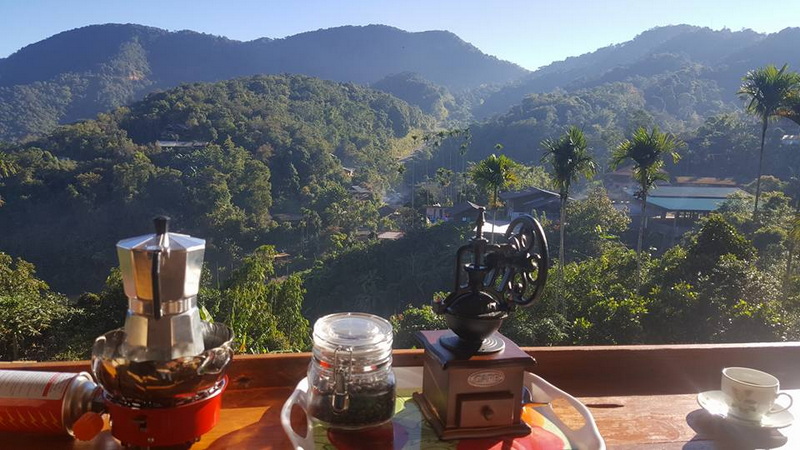
Huai Hom Karen Village offers additional community context for travelers exploring the highland areas of Mae Hong Son. Like any living settlement, it should be approached as a home and working environment, not as a performance venue. Visitors benefit from learning through respectful observation, following local instructions, and asking before taking photographs or entering spaces that appear private.
Including Huai Hom Karen Village in the same regional conversation as Ban La-Up can help travelers appreciate that Mae Hong Son contains diverse communities and landscapes. The two places should not be treated as interchangeable, and no single visit can represent every local experience. A considerate driver tour allows each community to be encountered on its own terms, with realistic timing and attention to local dignity.
A More Considered Way to Reach Ban La-Up
Ban La-Up is best approached as a community within the Mae La Noi landscape, not as a quick item to be collected on a crowded schedule. A driver journey from Chiang Mai can simplify the practical challenge of reaching Mae Hong Son Province, but good planning still depends on clear questions, realistic timing, and respect for local life. With nearby natural and community points of interest considered carefully, the route can become more than transport between landmarks. It can offer a balanced understanding of the region’s roads, mountains, settlements, and living cultural context.
