Tha Pai Memorial Bridge A Thoughtful Guide for the Mae Hong Son Route
Plan a meaningful Pai stop with historical context, respectful sightseeing, and practical driver-tour perspective
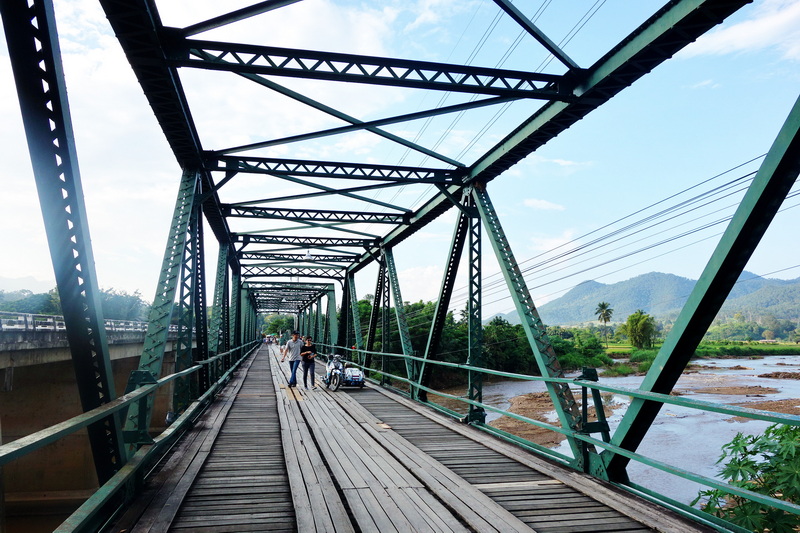
The Tha Pai Memorial Bridge is a brief but meaningful stop in Pai District, Mae Hong Son. Set amid the green landscape south of Pai, the bridge connects a quiet riverside setting with an important chapter of regional history. It is often visited as part of a wider journey rather than as a destination requiring a full day, making it especially useful for travelers who want to combine heritage, scenery, and nearby cultural or natural sites. This guide approaches the bridge as a location first and a planning point second. The structure is widely associated with the Second World War period, when a crossing in this area served military movement and local transport needs. The bridge seen today should be understood within that history, while also recognizing that the present structure and surrounding visitor setting have changed over time. For an independent traveler, a well-planned stop can fit naturally into a route through Mae Hong Son Province. For those considering a private vehicle, the phrase Chiang Mai To Mae Hong Son Driver Tour Package may describe a useful style of travel: a flexible overland itinerary that connects major sights without reducing every place to a rushed photo stop. The aim is not to promise a particular service, but to show how the bridge can be considered within a sensible regional plan.
Reading the Bridge in Its Historical Setting
The bridge is commonly known as the Pai Memorial Bridge, Pai Historical Bridge, or Tha Pai World War II Memorial Bridge. These names point toward its role as a heritage landmark rather than simply a crossing over water. Historical accounts connect the bridge area with Japanese military activity in northern Thailand during the Second World War. A crossing here was associated with movement through difficult mountainous terrain, linking communities and routes in a region where rivers and steep roads shaped travel.
Its significance is therefore best approached with care. The bridge is not only a picturesque structure against the hills. It also recalls a period when local people experienced the demands and disruptions of wartime infrastructure. Visitors do not need to turn the stop into a dramatic retelling. A quiet reading of the site, attention to its setting, and respect for the communities connected to this history offer a more responsible way to understand it.
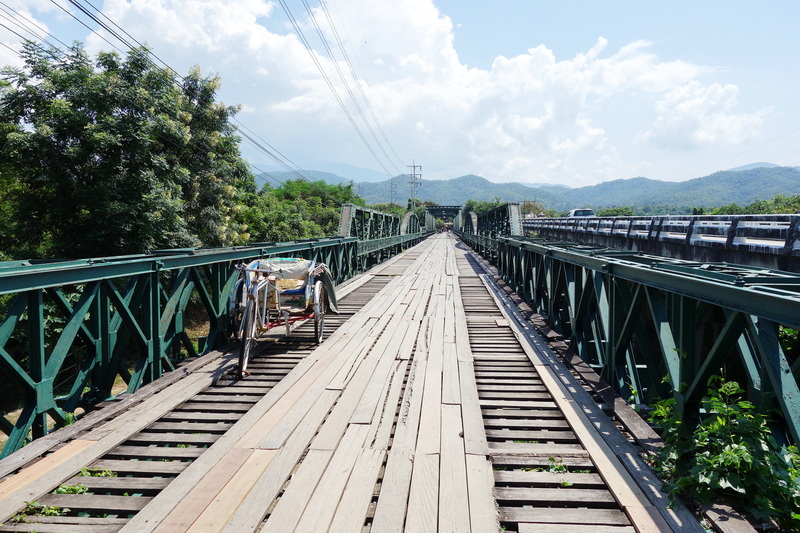
The present bridge is part of an ongoing heritage landscape, and visitors may notice that its appearance does not necessarily represent an untouched wartime artifact. For that reason, it is more accurate to describe the location as a memorial and historical reminder than to make absolute claims about every timber, joint, or reconstruction detail. The value of the stop lies in the relationship between the surviving memory, the river environment, and the broader story of Pai District.
How to Include Pai Memorial Bridge in a Route
A visit works best when the bridge is treated as one considered stop within a Pai and Mae Hong Son itinerary. Travelers can allow time to observe the structure, read any available interpretation, and walk carefully around the public areas rather than arriving only to take a quick photograph. The setting is generally more rewarding when the pace remains unhurried, especially for visitors interested in how a historical landmark sits within an everyday landscape.
The wording Mae Hong Sonn Thailand Travel Guide may appear in searches for regional planning, although the province is more commonly written Mae Hong Son. In either form, a useful guide should explain that Pai is part of a wider northern Thailand journey, not an isolated attraction. Routes in this mountainous region involve bends, changing scenery, and several possible stops, so travelers benefit from building a day around themes such as history, viewpoints, temples, or natural water features rather than trying to collect too many sites.
A private driver arrangement can be useful for travelers who prefer a flexible route, older visitors who want fewer transitions, or small groups with different interests. When researching a Chiang Mai To Mae Hong Son Driver Tour Package, it is sensible to ask how much time is allocated for independent exploration and whether the itinerary can include Pai before continuing farther west. Since services differ, travelers should confirm the actual route, vehicle arrangements, guiding approach, and inclusions directly instead of assuming that a package phrase guarantees a particular schedule.
For independent visitors, the same planning principle applies even without a driver. Mark the bridge as a historical pause, then choose only a small number of nearby experiences that suit the day. This creates room for changing weather, meals, rest, and respectful observation. The bridge is most memorable when it forms part of a coherent journey through Mae Hong Son rather than being presented as a disconnected checklist item.
A Visitor’s Way of Looking at the Landmark
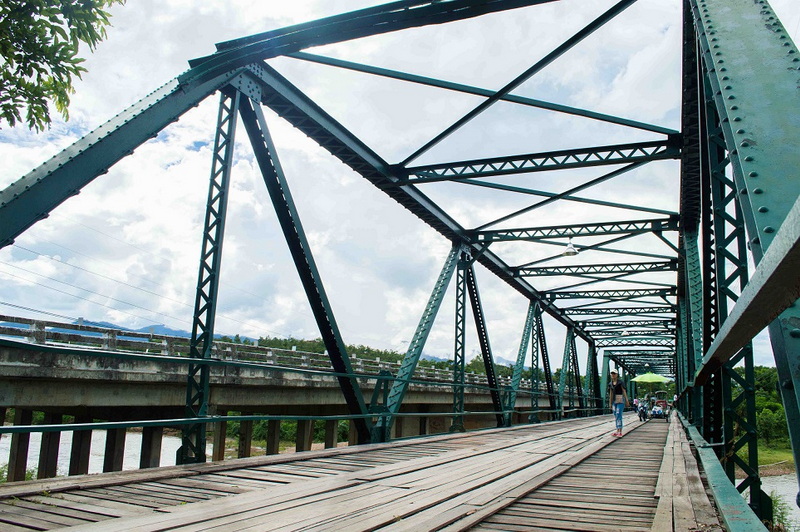
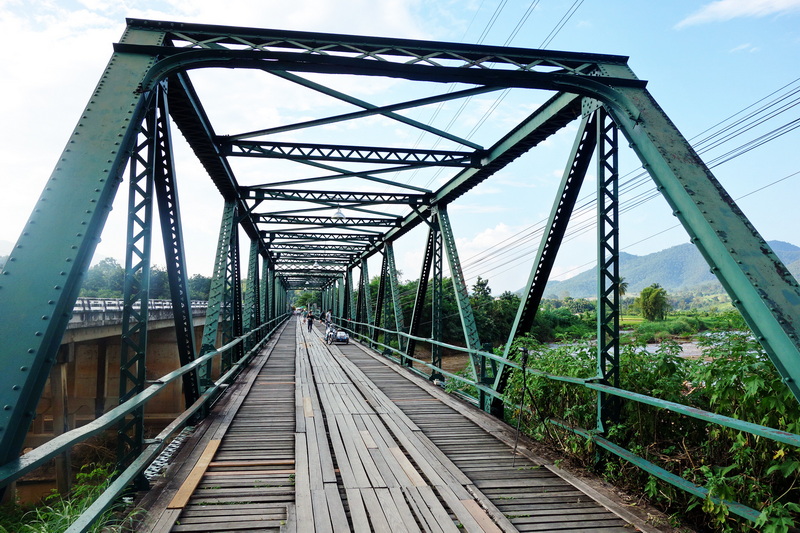
At the bridge, notice the contrast between its practical design and the calm landscape around it. The river, trees, road, and surrounding hills help explain why crossings have long mattered in this region. A bridge is functional infrastructure, but a memorial bridge also carries layers of memory. Looking at it from different points can reveal how the structure relates to the water and the route beyond, while a slower visit encourages attention to details that a hurried stop may miss.
Photography can be part of the visit, but it should not become the only purpose. Avoid climbing on restricted sections, blocking other visitors, or treating the memorial association as a costume backdrop. If local signs provide historical information, read them carefully and use their wording as the primary guide. The bridge has meaning beyond its visual appeal, and a respectful visitor leaves the place undisturbed.
The name World War II Memorial Bridge Pai is useful for identifying the site in travel research, but the label should not encourage exaggerated stories. Reliable historical interpretation matters because wartime sites can easily become simplified into attractive legends. Travelers who want more detail can compare information from local interpretation, museums, or established historical sources while keeping the visit itself quiet and observant.
Using a Driver Tour as a Travel Framework
A driver-led journey from Chiang Mai can make sense for visitors who want to experience the changing landscapes of the north without managing every turn themselves. In that context, Pai Memorial Bridge may serve as an early heritage-focused stop on a broader Mae Hong Son route. The benefit of this approach is not simply convenience. A thoughtful driver itinerary can leave space for travelers to ask questions, compare landscapes, and spend longer at places that genuinely interest them.
The phrase Chiang Mai To Mae Hong Son Driver Tour Package should be treated as a search starting point, not as proof of a standard product. Some arrangements may emphasize Pai, while others may continue through several districts. Travelers should explain whether the bridge is a priority, how much walking is comfortable, and whether they prefer historical sites alongside nature. Clear questions help prevent a scenic stop from becoming an overly short detour.
A driver tour can also support a balanced day for mixed groups. One person may be interested in wartime history, another in temples, and another in hot springs or riverside scenery. Rather than forcing everyone to spend the same amount of time at every attraction, a flexible plan can use the bridge as a shared point of interest and then allow different preferences to shape the next stop. This is particularly helpful on a winding mountain journey, where energy and weather can influence the pace.
Even with private transport, visitors should retain some independence in how they interpret the site. A driver may assist with route planning, but historical understanding should come from clear information rather than confident speculation. The most trustworthy travel experience combines practical organization with humility about what is known, what has changed, and what belongs to local memory.
Why This Small Stop Belongs on a Mae Hong Son Journey
The Memorial Bridge Pai Thailand travelers seek is modest in scale, yet it helps give a route through Mae Hong Son Province a sense of continuity. Roads, rivers, settlements, and mountain passes are not just scenic elements; they explain how people and institutions have moved through the region. The bridge invites visitors to look beyond the immediate view and consider how a particular crossing became part of a much larger historical landscape.
It also offers a useful change of rhythm. Pai is known for leisure, scenery, and a relaxed atmosphere, while the bridge introduces a more reflective subject without requiring a long formal excursion. That contrast can strengthen an itinerary. A traveler may enjoy the landscape while still making space to remember that the region’s history includes hardship, military pressure, and local experiences that should not be reduced to tourism imagery.
For a first visit, the practical lesson is simple: allow enough time to understand the place, confirm the details of any driver arrangement, and combine the bridge with only the nearby attractions that genuinely fit the day. This approach produces a calmer and more meaningful experience than rushing through a long list of stops.
Nearby Attractions
Wat Phra That Mae Yen
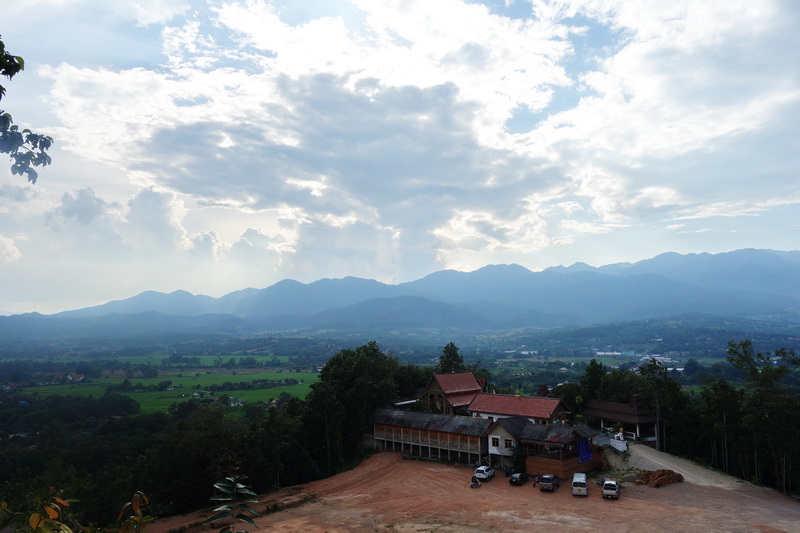
Wat Phra That Mae Yen is a hilltop temple associated with views across the Pai landscape and a peaceful cultural setting. Its elevated position makes it a natural complement to a bridge visit: the memorial offers a close look at transport history, while the temple encourages a wider view of the valley and surrounding hills. Visitors should dress respectfully, follow site guidance, and remember that the temple remains a place of worship rather than only a viewpoint.
Including the temple after the bridge can create a gentle shift from historical reflection to living religious heritage. The two stops should not be treated as interchangeable attractions. Each deserves its own atmosphere, and a considerate itinerary leaves enough time for quiet observation.
Tha Pai Hot Spring
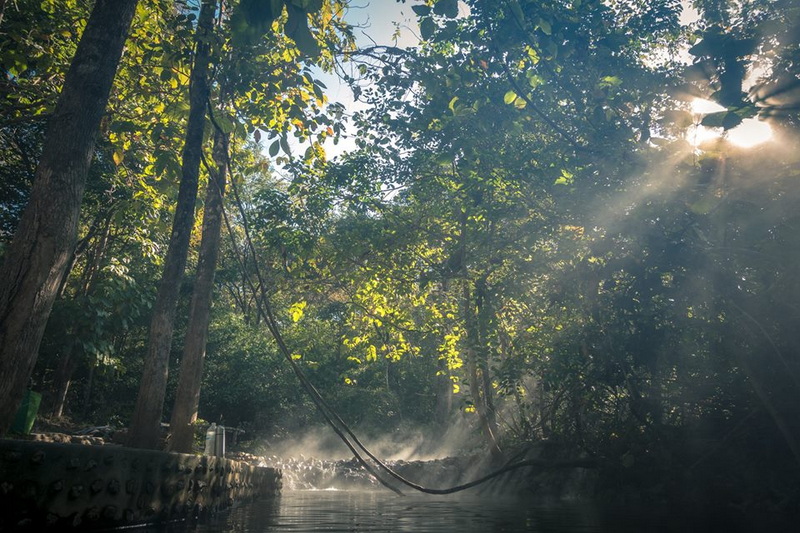
Tha Pai Hot Spring adds a natural dimension to a route centered on the Pai Memorial Bridge. The hot spring area is known for its geothermal environment, vegetation, and warm mineral water, giving travelers an opportunity to experience a different aspect of the local landscape. Conditions, access arrangements, and visitor guidance can change, so checking current local information before setting out is sensible.
The hot spring is best approached as a place where natural features and visitor facilities share space. Follow posted instructions, respect boundaries, and avoid assuming that every pool or area is suitable for bathing. Paired with the bridge, it creates a varied day: one stop encourages historical awareness, while the other highlights the geological and environmental character of Pai.
Bringing the Experience Together
Tha Pai Memorial Bridge rewards travelers who pause long enough to see more than a scenic crossing. Its wartime associations, riverside setting, and place within Pai District make it a useful heritage stop on a wider Mae Hong Son journey. Whether approached independently or considered within a Chiang Mai-based driver itinerary, the key is to confirm practical details, avoid exaggerated history, and leave room for thoughtful observation. With Wat Phra That Mae Yen and Tha Pai Hot Spring nearby, the bridge can anchor a balanced day that connects memory, culture, and nature without rushing any of them.
