Chiang Mai Microlight Flight and Cultural Routes Around Mae Rim
Pair an aerial adventure with thoughtful encounters across Mae Rim’s landscapes, traditions, and visitor experiences
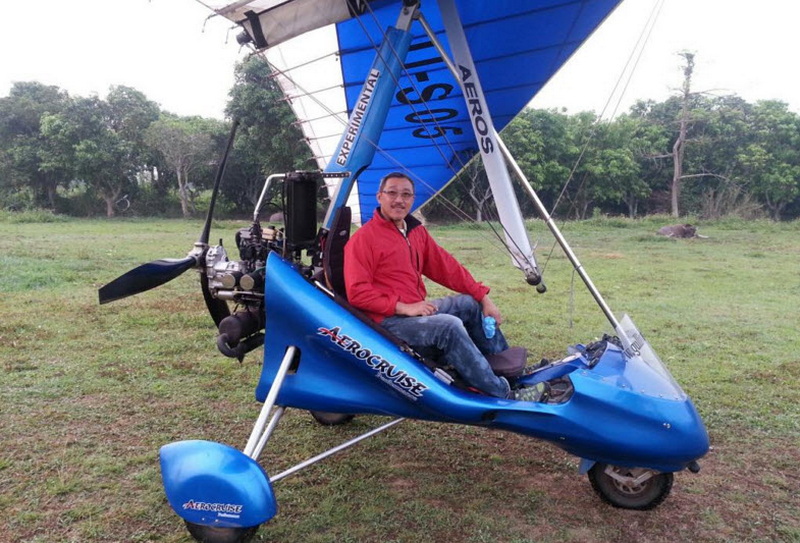
A Chiang Mai Microlight Flight offers a distinctly open-air way to view the countryside north of the city. Rather than experiencing Mae Rim only from the road, visitors can gain a broader sense of its patchwork of fields, wooded slopes, villages, and winding routes. The flight is an adventure experience, but it can also become the beginning of a more meaningful day when paired with respectful visits to local cultural and nature-oriented places. This guide brings those two interests together. It looks at what a microlight experience involves, how to think about safety and comfort, and why Mae Rim works well as part of a wider Chiang Mai itinerary. It also considers how to approach Chiang Mai Cultural Attractions with curiosity rather than rushing from one photo stop to another. The aim is not to promise a fixed package or schedule, but to help visitors shape a realistic day around weather, transport, personal energy, and respectful engagement.
Seeing Mae Rim from an Open-Air Perspective
Microlight flying sits between sightseeing and active adventure. The aircraft’s open design can make the surrounding landscape feel immediate, while the flight itself remains a guided aviation experience rather than an independent piloting activity for ordinary visitors. Depending on the conditions and the operating arrangements available on the day, the experience may appeal to travelers who want something more unusual than a conventional viewpoint or road excursion.
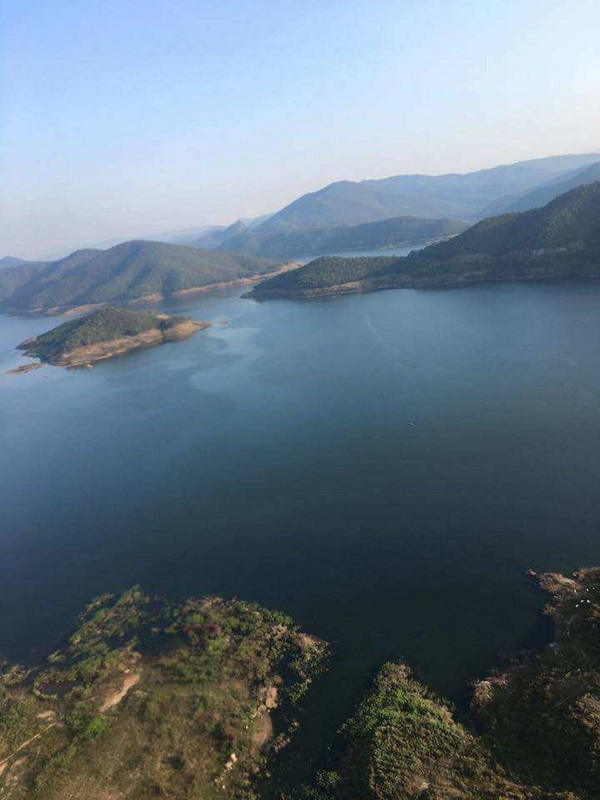
The landscape around Mae Rim gives the flight its character. From above, rural roads, cultivated land, clusters of trees, and the foothills beyond can form a changing visual pattern. The view is less about identifying every building and more about understanding how the northern Chiang Mai area fits together: urban neighborhoods gradually give way to greener corridors, agricultural spaces, and mountain scenery. This wider perspective can make later ground visits feel more connected.
A Chiang Mai Microlight Flying experience is best approached with flexible expectations. Weather, wind, visibility, and aviation decisions naturally affect whether flying is suitable. Visitors should confirm current arrangements directly with the operator, allow room in the day for changes, and avoid treating a flight as guaranteed simply because it has been considered during trip planning. This is especially important during periods when clouds or rain can develop quickly.
For many travelers, the appeal lies in the contrast with Chiang Mai’s temples, markets, and busy streets. The flight introduces movement, height, and a sense of exposure to the landscape; the cultural portion of the day can then slow the pace and invite closer observation. Together, the experiences create more variety than either a purely aerial outing or a day spent moving between urban sights.
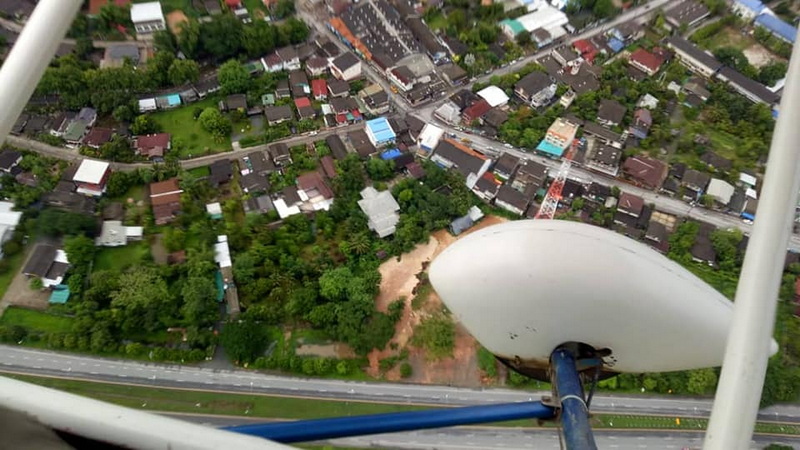
Planning an Adventure with Sensible Limits
Safety should shape the decision from the beginning. Visitors can ask about the aircraft, pilot qualifications, passenger briefing, weather limits, seating arrangements, and what clothing or footwear is appropriate. A reputable operator should be able to explain the process clearly and identify circumstances in which a flight may be delayed or cancelled. These questions are practical, not pessimistic; they help travelers understand the experience before committing time and money.
Comfort also deserves attention. An open-air flight may involve wind, sun, noise, and cooler conditions than expected, particularly when the aircraft gains altitude. Secure clothing, sun protection, and any personal medication needed for motion sensitivity may be useful, subject to the operator’s instructions. Loose items should not be brought aboard unless they can be safely secured. Anyone with concerns about heights, balance, hearing, or medical conditions should seek appropriate advice before booking.
Transport planning matters because Mae Rim is spread out rather than concentrated around a single pedestrian center. A traveler combining flight activities with cultural visits should allow time for road conditions, transfers, meals, and pauses. The most satisfying plan is usually not the one with the greatest number of stops. Leaving space after the flight can make the day calmer and allows weather-related changes without turning every later visit into a race.
When comparing Top Adventure Tours Chiang Mai, look beyond dramatic photographs and short descriptions. Consider the clarity of the safety information, the transparency of the meeting arrangements, the suitability of the activity for the people in your group, and the way the provider handles changing conditions. Adventure is more rewarding when it includes informed consent, realistic expectations, and respect for professional safety decisions.
From Aerial Landscapes to Living Culture
The cultural dimension of a Mae Rim visit does not need to be presented as a backdrop to adventure. Northern Thailand has living communities, religious traditions, agricultural practices, craft knowledge, and food cultures that deserve attention on their own terms. Visitors can learn more by observing local etiquette, listening to explanations, and remembering that a village, temple, market, or working farm is not simply a stage created for tourists.
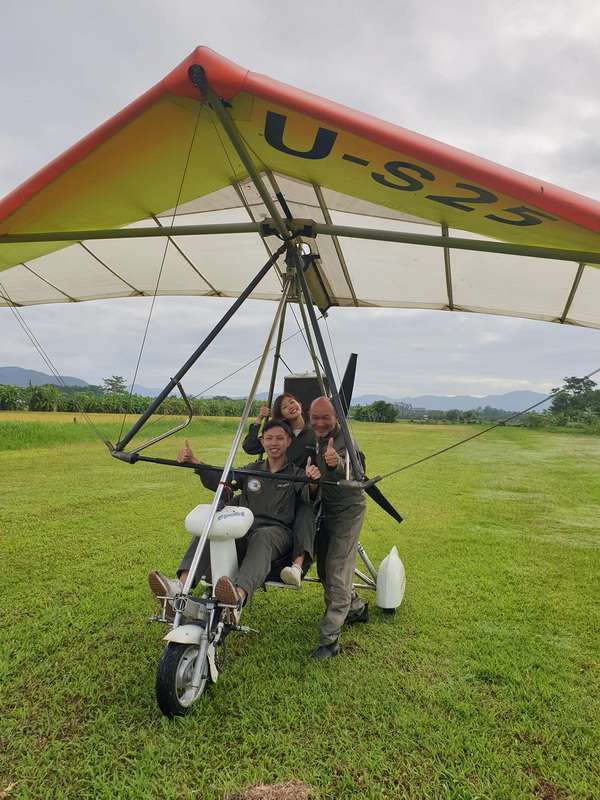
Chiang Mai Cultural Attractions can include places connected with Buddhist practice, local history, handicrafts, food, and everyday community life. At temples, modest clothing and quiet behavior are appropriate, while visitors should follow signs or local guidance about photography. A respectful approach also means not interrupting ceremonies, avoiding intrusive portraits, and recognizing that religious objects and spaces may have significance beyond their visual appeal.
The contrast between an aircraft view and a ground-level cultural visit can be especially valuable. From the air, the region appears as a broad composition of land and settlement. On the ground, details become more important: the sound of a bell, the arrangement of a shrine, the work involved in cultivating plants, or the care taken in preparing food. Moving between these scales encourages travelers to see Mae Rim as a lived region rather than a collection of attractions.
Visitors researching Tours in Chiangmai may find many ways to combine active experiences with cultural exploration, but the best match depends on interests and pace. Some people may prefer a short flight followed by a quiet cultural stop; others may want to spend more time learning about local plants, crafts, or food. Asking whether an itinerary allows genuine time at each place is more useful than choosing a plan solely because it contains many names.
A Balanced Mae Rim Itinerary
A practical day can begin with the flight-related activity when conditions are most suitable, followed by a meal or rest period and then a slower visit on the ground. This order is not a fixed recommendation, since operating times and weather vary, but it reflects a useful principle: place the condition-sensitive activity where it has the best chance of working, then keep later experiences adaptable. Travelers should confirm all current details rather than relying on an old itinerary.
The cultural portion should be chosen for meaning and location, not merely for convenience. A temple visit may suit travelers interested in history and spiritual traditions, while a plant-focused or agricultural stop may help explain the environmental setting seen during the flight. A local meal can also provide a transition between activities, provided visitors choose establishments responsibly and remain considerate of local routines.
Those looking for a Chiang Mai Sky Adventure Mae Rim experience should also think about the emotional rhythm of the day. Flying can be exciting and stimulating, while cultural visits often reward patience and quiet attention. Alternating these moods may make the itinerary feel richer, but packing too many demanding activities together can reduce appreciation for both. A small number of well-chosen experiences usually leaves more room for reflection.
The wider Chiang Mai Sky Adventure Thailand context is equally useful for planning. The city is not separate from its surrounding districts; roads, farms, hills, temples, and communities create a connected travel landscape. A visitor can therefore treat Mae Rim as more than a single activity zone. The flight becomes one perspective, while cultural encounters provide the history, values, and human detail that an aerial view cannot show.
Before setting out, check weather conditions, transport arrangements, clothing expectations, photography rules, and any age, health, or participation requirements directly with the relevant providers. Keep plans flexible and carry water, sun protection, and a charged phone. Most importantly, let local instructions guide behavior at cultural sites and avoid assuming that every place is available for unrestricted access.
Ground-Level Encounters to Complete the Day
Once the aerial portion is finished, Mae Rim’s quieter experiences help bring attention back to people, plants, and responsible visitation. These two options provide a slower continuation without treating the district as merely a collection of photo opportunities.
Mae Rim Elephant Home
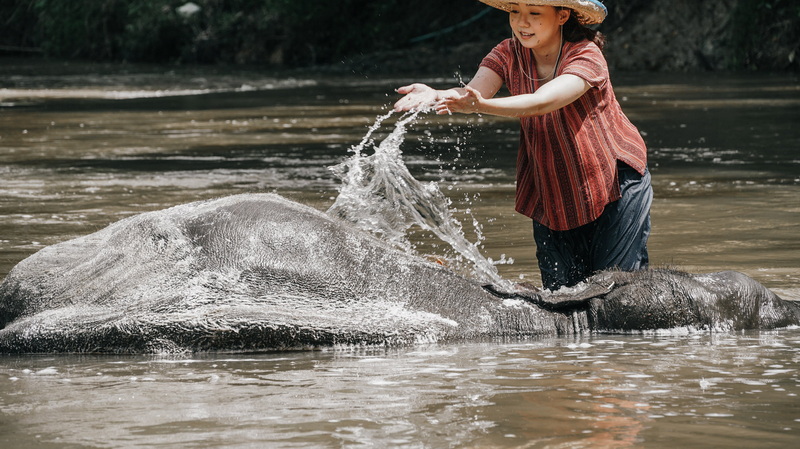
Mae Rim Elephant Home can complement an aerial adventure by bringing the day back to questions of animal care, visitor responsibility, and the relationship between tourism and working landscapes. Travelers should examine how the site describes its welfare practices and follow all guidance about distance, feeding, touching, and photography. Ethical observation is more important than seeking a close encounter or a memorable image.
The visit can also add a different perspective on Mae Rim. A microlight flight emphasizes distance and landscape, whereas an animal-focused experience requires attention to behavior, space, and routine. Allowing time to listen to staff explanations and observe without pressure can make the stop more educational. As with any attraction involving animals, current practices and visitor access should be confirmed before arrival.
Chiang Mai Orchid Farms
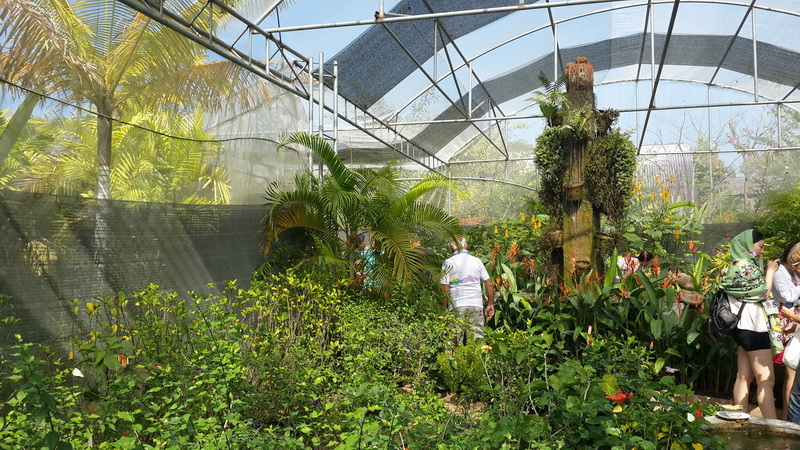
Chiang Mai Orchid Farms offer a ground-level way to appreciate the plant life and cultivated environments that form part of northern Thailand’s visual character. The experience can suit visitors who want a gentler activity after flying, especially those interested in horticulture, photography, or the role of ornamental plants in local tourism and livelihoods. Visitors should stay on designated paths and avoid handling plants unless invited.
Placed after the flight, a farm visit changes the scale of observation once again. The broad patterns seen from above become individual colors, shapes, growing methods, and careful cultivation. It is a reminder that landscapes are produced through ongoing work rather than existing only as scenic views. Travelers can combine curiosity with restraint by asking questions politely, respecting working areas, and checking photography expectations.
Let the Landscape Set the Pace
A Chiang Mai Microlight Flight can be the memorable starting point for a broader Mae Rim experience, but its greatest value appears when it is placed in context. The aerial view reveals patterns across the countryside; cultural visits, careful observation, and respectful encounters reveal the human and environmental details within those patterns. Plan with flexibility, ask sensible safety questions, and leave enough time for the places on the ground. That balance turns an exciting activity into a more considered way to understand Chiang Mai.
