Choosing the Chiang Mai Monkey Show for Your Mae Rim Day
A practical comparison guide for travellers deciding whether a trained-animal presentation suits their Chiang Mai plans
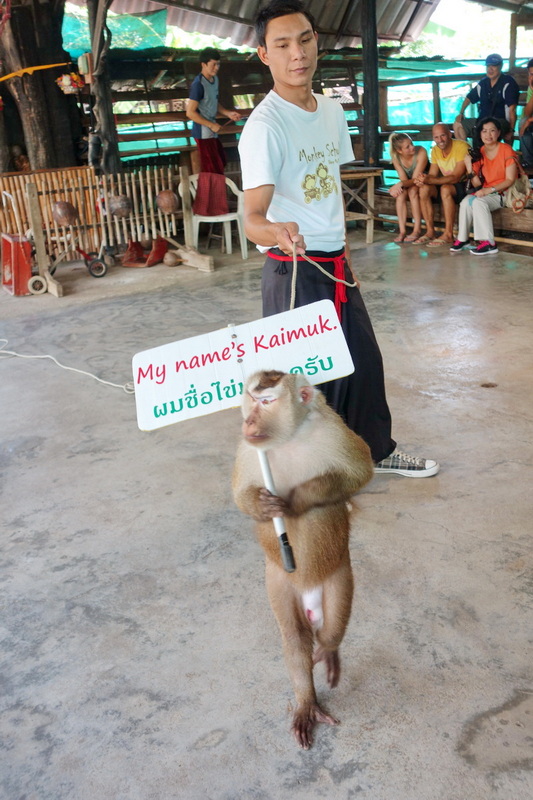
Not every traveller wants the same kind of countryside outing. Some enjoy a short performance with a clear beginning and end, while others would rather spend time among plants, observe animals with less emphasis on presentation, or simply choose a quieter attraction. The Chiang Mai Monkey Show is most useful to consider through that decision rather than as an automatic stop on an itinerary. Located in Mae Rim District, Chiang Mai, the Chiang Mai Monkey School presents monkeys in a setting shaped by human direction and audience viewing. That makes it different from a botanical visit, a general animal venue, or a nature walk. This distinction matters for older visitors and anyone who prefers to know what sort of experience lies ahead. The following guide compares the character of the attraction with two nearby alternatives, then considers how it may fit into a wider Chiang Mai day. It does not promise a particular schedule or describe a package. Instead, it offers a simple way to decide whether a performance-based visit matches your interests, comfort level, and expectations.
Start with the kind of attention you enjoy
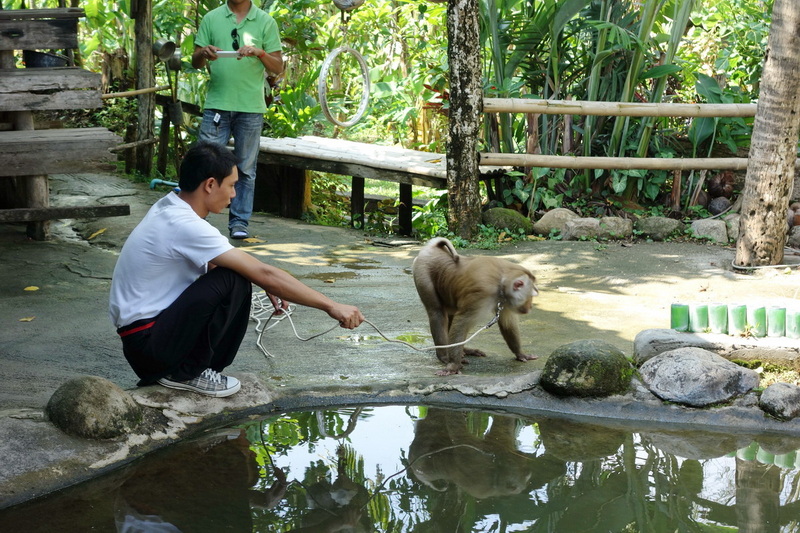
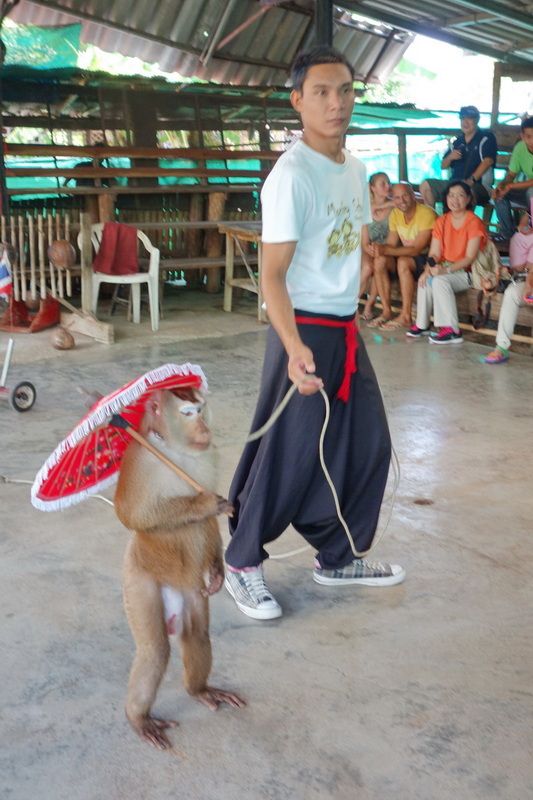
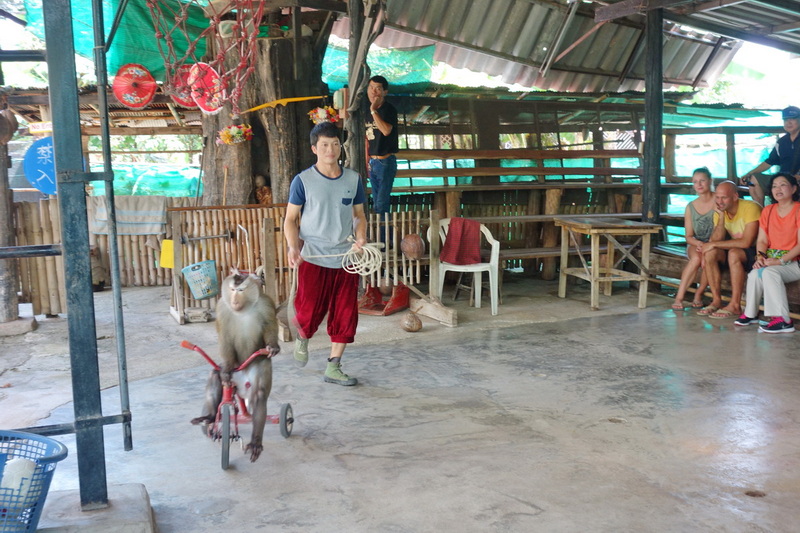
The first question is not whether the attraction is famous or convenient. Ask what you want to pay attention to. At the Chiang Mai Monkey School, the central focus is a presentation involving monkeys that have been trained to respond to human direction. Visitors who enjoy demonstrations, visible interaction, and a defined focal point may find that format engaging. The attraction offers an example of how animals can be incorporated into a tourism presentation, which can also prompt questions about training, handling, and the boundary between education and entertainment.
This is not the same as watching wildlife choose its own behaviour. The experience is shaped by the setting, the people involved, and the expectations of an audience. That difference should be understood before arrival, particularly by travellers who prefer natural observation. A realistic expectation makes the choice clearer: select the Monkey Show for interest in a structured performance, not for the possibility of an unscripted encounter with wild animals.
For a senior traveller, this distinction can simplify the day. There is no need to approach the attraction with the assumption that every visitor must enjoy it. Someone who likes a focused activity may appreciate its direct format, while someone seeking open-ended scenery may feel better choosing a plant-focused or observation-focused alternative.
Compare the learning value rather than counting attractions
A useful way to assess the Chiang Mai Monkey School is to compare what each stop helps you notice. The Monkey Show draws attention to learned responses, human-animal interaction, and the way a performance is presented to visitors. It can therefore suit travellers interested in the cultural and practical questions surrounding animal-based tourism. The educational value comes from looking closely at the format, not merely from applauding a successful action.
By contrast, a horticultural visit asks for a different kind of attention. Chiang Mai Orchid Farms can provide a plant-centred counterpoint, where colour, cultivation, and the arrangement of living landscapes become the main subjects. A traveller who enjoys flowers, photography, or gentle visual variety may prefer this kind of experience. It can also balance a day that already contains a highly directed presentation.
Mae Rim Elephant Home offers another point of comparison because it belongs to the broader conversation about animal attractions while presenting a different animal and visitor context. Rather than assuming that all such venues provide the same experience, consider what is being shown, how close the audience is expected to be, and whether the format matches your own interests. Comparing those features is more informative than collecting several stops simply because they appear in the same tourism area.
This approach is especially helpful when reading pages about Chiang Mai Zoos. That phrase can cover attractions with very different purposes, from animal presentations to places centred on habitats, gardens, or general visitor education. A label alone does not tell you whether a venue will feel lively, reflective, crowded, visual, or performance-led.
Use the tour question to protect your choice
Many visitors reach Mae Rim as part of a wider outing rather than by building every stop independently. Tours in Chiangmai may group several countryside attractions together, but a shared route does not mean every component will suit every traveller. Before agreeing to an itinerary, identify which stop is the main reason for going and which stops are optional in spirit, even if they appear in the same plan.
If the Monkey Show is the principal interest, ask whether the route allows enough time for the experience without turning the day into a rushed sequence. If it is only one possibility among several, check whether you can make a personal decision after understanding the character of the venue. This is a more useful question than asking how many attractions a tour includes.
Older travellers may also want to clarify the general shape of the outing: how much standing is likely, whether there are places to pause, and how much travel separates the stops. These are planning questions rather than guarantees about operations. Conditions can change, so current information should be confirmed directly before setting out. The aim is simply to avoid choosing a tour based on a title that sounds appealing but leaves little room for individual preferences.
A good comparison is therefore not 'show or no show' in isolation. It is 'which combination of experiences gives this day a sensible rhythm?' A short performance, a visual garden visit, and an animal-focused stop may create variety, but only if the traveller actually wants that variety.
Check your personal fit before you commit
A simple self-assessment can make the decision less abstract. Consider four points: your interest in trained-animal presentations, your comfort with managed visitor settings, your preference for plants or animals, and your energy for moving between attractions. Strong interest in the first two points suggests that the Chiang Mai Monkey School may be worth considering. Stronger interest in gardens, scenery, or independent observation may point elsewhere.
It is also reasonable to decide that the attraction is not for you. Responsible travel includes declining experiences that conflict with your values or do not match your preferred way of learning. If you do visit, look for clear information about how the animals are handled and follow the venue's directions. Avoid encouraging disruptive behaviour, attempting unsupervised contact, or treating the animals as photographic props. These are specific choices within the visitor's control and do not require a dramatic judgment about the entire region.
Comfort deserves equal attention. A senior-friendly plan might allow a seat or rest period between activities, keep the number of major stops limited, and leave enough mental space to assess each place on its own terms. It is better to enjoy one suitable attraction than to finish a long list feeling that every experience blurred into the next.
Build an itinerary around contrast, not obligation
The strongest reason to combine these attractions is contrast. The Chiang Mai Monkey School can represent a performance-led experience; Mae Rim Elephant Home can broaden the animal-attraction discussion; and Chiang Mai Orchid Farms can shift attention towards cultivated plants and landscape. Each stop then has a distinct role instead of serving as a repetitive add-on.
That contrast can help couples or families with mixed interests. One person may be curious about the Monkey Show while another is more interested in orchids or a different animal setting. Discussing the purpose of each stop beforehand reduces disappointment. It also makes it easier to skip an activity that does not feel appropriate without treating that decision as a failure.
Keep the language of comparison precise. The Chiang Mai Monkey School is not interchangeable with every attraction described in a Chiang Mai Monkey School Travel Guide, and a broad search for a Chiang Mai Monkey School Thailand experience may combine venues with different presentations. The same applies to the phrase Chiang Mai Monkey School Attractions. Readers should look beyond familiar wording and ask what the visit actually centres on.
For someone preparing a Chiang Mai Monkey School Visitor Guide for personal use, the most valuable notes may be brief: performance-focused, managed setting, compare with plant-based interests, confirm current arrangements, and allow room for a personal decision. That is more useful than filling a page with assumptions about schedules or promises about what every visitor will see.
Nearby Attractions
Mae Rim Elephant Home
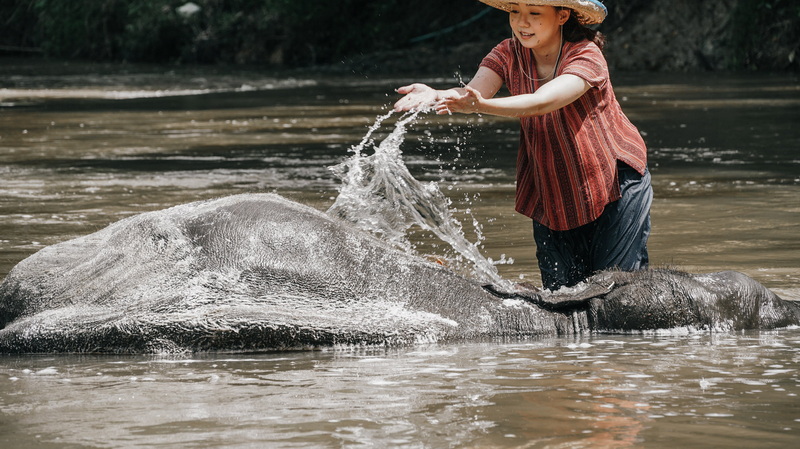
Mae Rim Elephant Home works best in this comparison as a second animal-focused option, not as an automatic companion to the Monkey Show. Its presence invites travellers to consider how different venues present large and small animals, what kinds of interaction are involved, and which setting feels most compatible with their values. Visitors should review current information about the venue and make their own judgment rather than assuming that one animal attraction represents another.
For a senior traveller, the practical question is whether adding another animal-focused stop would enrich the day or repeat its central theme. If the purpose is comparison, the contrast may be meaningful. If the purpose is variety, Chiang Mai Orchid Farms may provide a clearer change of pace.
Chiang Mai Orchid Farms
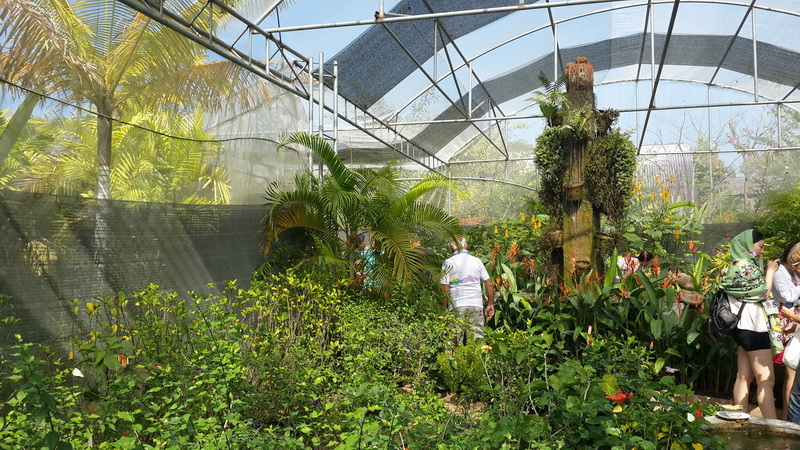
Chiang Mai Orchid Farms provides the clearest alternative for visitors whose interests lean towards cultivated landscapes, flowers, and visual detail. It can serve as a useful counterweight to the directed energy of a performance. Instead of asking whether it is better, ask whether it offers the kind of attention you want from the day.
This option may appeal to travellers who enjoy taking photographs, noticing plant forms, or moving through a setting where the subject is horticulture rather than trained behaviour. It also gives companions who are uncertain about an animal presentation another meaningful reason to join the outing. In a comparison-based itinerary, its value lies in making the choice broader rather than simply adding another name to a checklist.
Bringing the Experience Together
The Chiang Mai Monkey School is most likely to suit visitors who are genuinely interested in a structured animal presentation and in thinking about how tourism frames human-animal interaction. It is less suitable for anyone expecting wild behaviour, a purely natural setting, or a quiet garden experience. That distinction gives the visit a clear place in the wider Mae Rim landscape without requiring it to appeal to everyone. Compare it with Mae Rim Elephant Home if your interest is animal-focused, or with Chiang Mai Orchid Farms if you want a plant-centred alternative. Then choose according to your curiosity, comfort, and preferred way of learning. A thoughtful decision does not depend on visiting every attraction. It depends on recognising which experience will leave you interested rather than merely occupied.
