Lahu Hilltribe Context Around the Long Neck Tribe Village in Northern Thailand
Understanding cultural distinction, visitor responsibility, and the human stories behind Northern Thailand’s village encounters
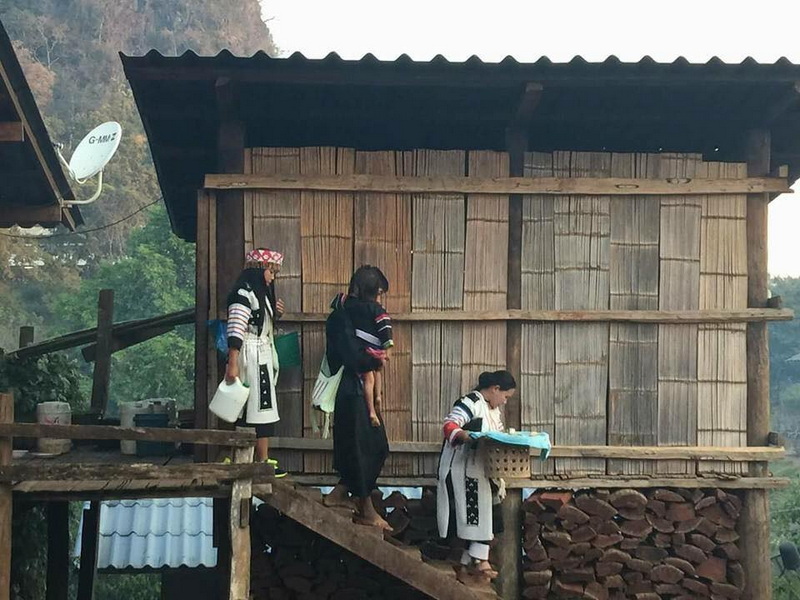
In Northern Thailand, a visit described as a Long Neck Tribe Village experience can raise as many questions as it answers. The phrase usually refers to communities associated with Kayan women whose traditional brass coils are widely recognized by visitors. The Lahu Hilltribe is a different Indigenous group with its own languages, histories, clothing, beliefs, and village traditions. Understanding that distinction is an important first step toward a more respectful cultural encounter. This article places the Long Neck village experience beside the Lahu Hill Tribe for context rather than treating them as interchangeable attractions. Both belong to the diverse social and cultural landscape of the northern uplands, yet neither should be reduced to a costume, a photograph, or a single tourist narrative. For travelers considering Chiang Mai Vacation Packages, cultural awareness can shape the visit more meaningfully than a long list of stops. The most valuable approach is location-first and people-centered: observe how a community presents itself, listen when interpretation is offered, ask before photographing, and remember that residents are not displays. A little Muser Hilltribe Information can also help explain why the Lahu are known by more than one name and why regional identity is more complex than tourism labels suggest.
What the Long Neck Village Description Means
The expression Long Neck Tribe Village Northern Thailand is a tourism description rather than a complete account of one people. It most commonly points to Kayan communities, whose women may wear brass coils around the neck as part of a visible cultural tradition. The coils create the appearance of an elongated neck, although the physical effect is more accurately understood through the positioning of the shoulders and collar area. The practice carries personal, cultural, and historical meanings that cannot be explained by appearance alone.
Visitors may encounter displays of weaving, clothing, handicrafts, or everyday objects alongside opportunities to speak with residents. These settings can provide a chance to learn, but they can also encourage people to look at culture as a performance if the visitor arrives only to take photographs. The same village may be experienced very differently depending on whether travelers approach residents as hosts and individuals or as subjects arranged for observation.
It is also important not to assume that every person in a village has the same relationship to the tradition. Communities include families, elders, children, workers, and young people with varied views and life experiences. A respectful visitor avoids asking someone to demonstrate, adjust, or explain a personal practice merely for a picture. Consent should be specific, freely given, and accepted without pressure.
The Lahu Hill Tribe Is Distinct
The Lahu Hill Tribe is a separate Indigenous people of the upland regions of mainland Southeast Asia, including northern areas of Thailand. In Thailand, the name Muser is also commonly used, particularly in official, historical, or local contexts. Because terminology can vary by language and setting, travelers should follow the names community members use for themselves rather than assuming that one label tells the whole story.
Lahu communities are diverse. Different groups may speak related but distinct varieties, practice different forms of Christianity, Buddhism, or traditional belief, and express identity through local clothing, music, farming patterns, ceremonies, and family customs. Village life is shaped by geography and by changing economic conditions, so there is no single Lahu lifestyle that can represent everyone. This diversity is one reason a careful Lahu Hill Tribe Information Thailand guide should avoid sweeping statements.
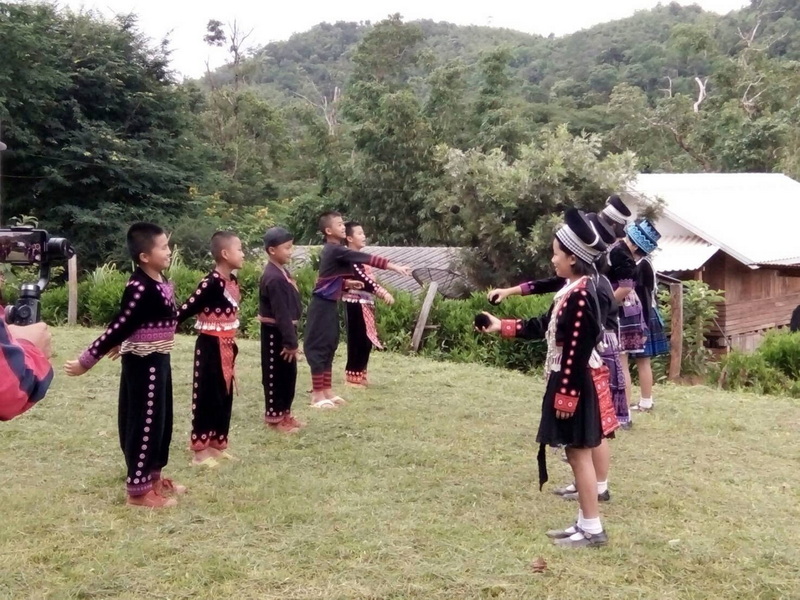
Traditional Lahu social life has often been connected with agriculture, forest environments, kinship, ritual knowledge, and community cooperation. At the same time, contemporary Lahu people participate in education, wage employment, commerce, public life, and migration, just as other rural and urban populations do. Presenting the Lahu only as people living in an unchanging past would be inaccurate and unfair.
The distinction from Kayan communities matters. A Long Neck village visit should not be described as a Lahu cultural visit simply because both are discussed under the broad category of hill tribes. Northern Thailand contains many ethnic communities, and the umbrella term can conceal important differences. Learning those differences makes the encounter more accurate and helps prevent one community’s traditions from being used to explain another’s.
Seeing Culture Beyond the Photogenic Details
The most visible feature of a Long Neck village is often the first thing a visitor notices, but visibility is not the same as cultural importance. Clothing, ornaments, textiles, and craftwork can invite curiosity, yet each item exists within a wider story of family, memory, work, identity, and adaptation. A thoughtful visitor looks for that wider story instead of treating a striking detail as the entire culture.
The same principle applies when learning about the Lahu. Music, dance, houses, tools, foodways, and ceremonies may appear in educational settings, but their meaning depends on who is explaining them and when they are used. A performance prepared for guests is not necessarily false; it is simply a particular form of cultural presentation. Authenticity does not require a community to remain isolated or unchanged. It can include selective sharing, new materials, modern education, and decisions about what remains private.
Ask open and modest questions when conversation is welcome. Questions about the meaning of a textile, the language being spoken, or how a craft is made are generally more considerate than questions that demand personal history or invite comparison between women’s bodies. If interpretation is provided, listen fully rather than interrupting with assumptions drawn from social media. When no one is available to speak, quiet observation is better than forcing an interaction.
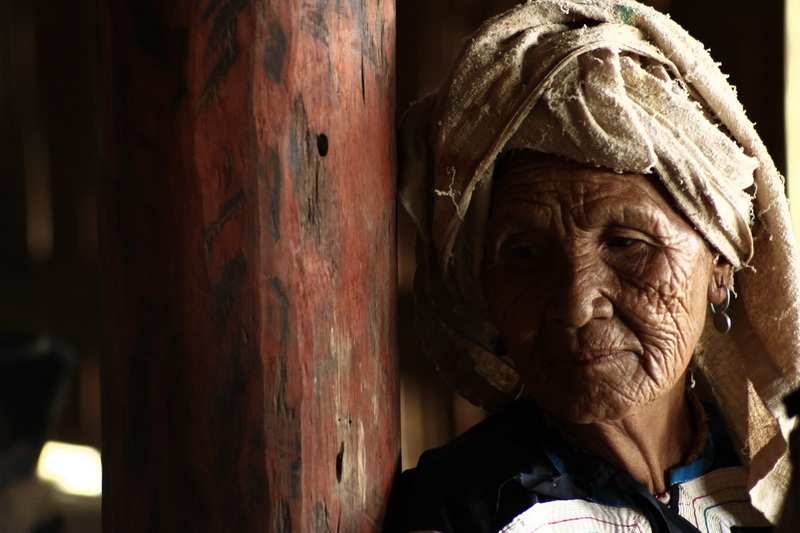
Purchasing a locally made item can be a meaningful way to support household income when the transaction is transparent and voluntary, but buying should never be treated as permission to photograph the maker or enter a private area. Travelers should also understand that commercial activity exists alongside ordinary life. A person selling a craft is still a person with boundaries, responsibilities, and a right to decline a request.
Practical Ethics for a Village Visit
Responsible engagement begins before arrival. Read enough to distinguish Kayan and Lahu identities, and be cautious with tour descriptions that use broad labels without naming the community. If a Chiang Mai Vacation Packages itinerary includes a village encounter, travelers can ask how the visit is organized, whether community members have a role in presenting it, and how photography expectations are communicated. These questions focus on accountability without demanding unverified promises.
At the village, follow signs and guidance, remain on paths intended for visitors, and avoid entering homes, religious spaces, schools, or work areas without an invitation. Dress with ordinary respect for a rural community, keep voices moderate, and do not touch clothing, ornaments, tools, or household items. Photography should always be requested first, including when children are present. A group photograph is not automatically consent for close portraits or online publication.
Do not make jokes about physical appearance, immigration status, poverty, language, or traditional dress. Avoid framing residents as mysterious, primitive, exotic, or trapped in the past. Such descriptions flatten complex lives and can encourage other travelers to behave in the same objectifying way. It is more accurate to describe what can be observed and to acknowledge what remains unknown.
Ethical travel also includes accepting limits. Some ceremonies, family matters, spiritual practices, and personal stories may not be appropriate for visitors. A refusal is a complete answer. If a community requests that images not be shared publicly, respect that request. Travelers can support dignity by sharing careful information afterward, naming the community accurately, and avoiding captions that turn individuals into attractions.
Placing the Experience in Northern Thailand
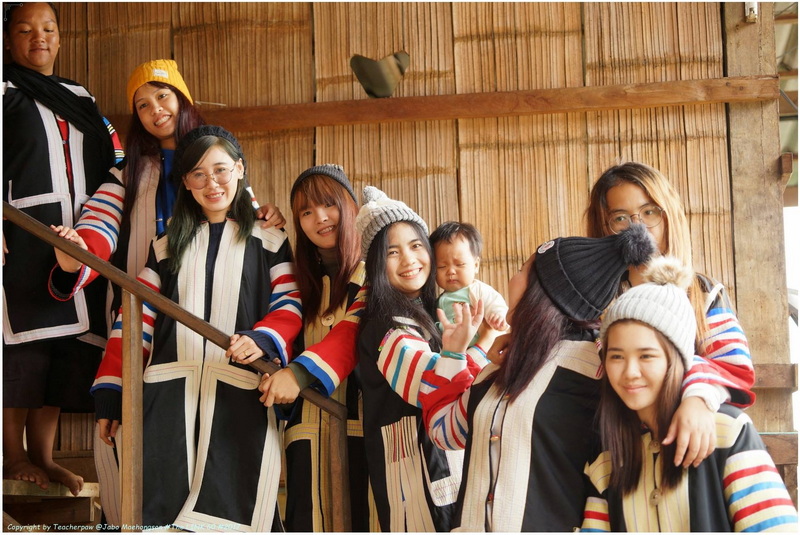
Northern Thailand is not a single cultural zone with one hill tribe identity. It is a region shaped by multiple Indigenous and ethnic communities, Thai-speaking populations, cross-border histories, changing national policies, and long-standing movement through upland and lowland areas. The Lahu, Kayan, Karen, Hmong, Akha, and other communities have distinct histories, even when tourism categories place them side by side.
That regional context makes a village visit more rewarding when it becomes an opportunity to learn rather than a checklist exercise. Travelers can notice which language appears on signs, how residents describe the community, and whether the visit leaves space for ordinary life. They can also seek locally informed interpretation and compare several reliable perspectives instead of treating one short presentation as a definitive history.
Searches for Muser Hilltribe Information often lead readers toward general descriptions, but the most useful information is specific, current, and community-aware. The word Muser may be familiar in Thailand, while Lahu is widely used in English-language cultural writing; neither label should be used carelessly to assign a single personality to every village. Ask who is being described, whose voice is present, and whether the account recognizes contemporary life.
For culture-focused travelers, the reward is not collecting proof of having seen an unusual tradition. It is developing a more accurate relationship with the region. A brief encounter can encourage continued learning about Indigenous rights, language preservation, rural livelihoods, and community-led tourism. Even when a visit is short, patience and humility can make it less extractive and more human.
Bringing the Experience Together
The Long Neck village experience and the Lahu Hill Tribe belong to the same broad regional conversation, but they are not the same cultural story. Recognizing that difference protects the dignity of both communities and gives travelers a clearer understanding of Northern Thailand’s diversity. Whether a visit is arranged independently or considered through Chiang Mai Vacation Packages, the essential habits remain simple: learn before arriving, ask before photographing, listen without stereotyping, and accept boundaries. Cultural travel becomes more meaningful when curiosity is balanced by consent and respect.

No comments:
Post a Comment