Pong Nam Ron Thapai Travel Guide with Driver Tours from Chiang Mai
Plan a comfortable hot-spring visit with practical transport advice, respectful bathing guidance, and two worthwhile Pai-area stops.
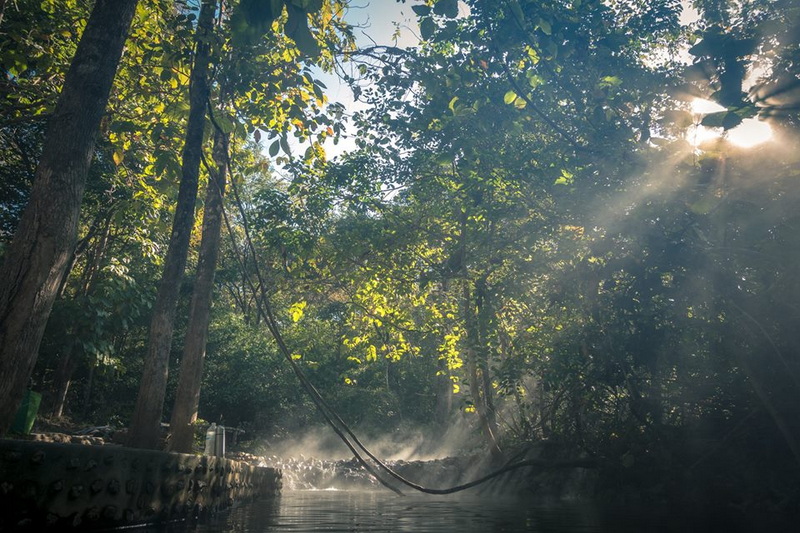
Pong Nam Ron Thapai, also known as Tha Pai Hot Spring, is a natural attraction in Pai District, Mae Hong Son. The site is associated with warm mineral water, forest surroundings, and a slower style of sightseeing than the busy movement of a long road journey. For travelers arriving from Chiang Mai, the main planning question is often not what to see, but how to make the route manageable while leaving enough time to enjoy the setting. A driver-based itinerary can be useful because the journey through northern Thailand includes winding mountain roads and several possible stops. Rather than treating the hot spring as a rushed photo break, travelers can arrange a Chiang Mai to Mae Hong Son Driver Tour Package around their preferred pace, interests, and comfort level. The exact route and timing should be confirmed directly with the operator, since road conditions, weather, and personal stops can affect the day. This guide focuses on practical preparation for a first visit: what the attraction may feel like, how to discuss a driver tour, how to behave around a natural bathing area, and how to connect the visit with Wat Phra That Mae Yen and Tha Pai Memorial Bridge. It is intended to support independent travelers who want clear choices without turning the experience into a tightly scripted excursion.
Why a Driver-Based Journey Can Make Sense
Chiang Mai and Pai are connected by a mountainous route with many bends, so the transport choice can shape the entire experience. A traveler who is comfortable driving may prefer an independent road trip, while another visitor may value having someone else handle navigation and the vehicle. A driver-based arrangement allows passengers to look at the landscape, rest between stops, and avoid making decisions while negotiating unfamiliar roads. It does not remove the need to plan, but it can make the day easier to manage.
When asking about a Chiang Mai to Mae Hong Son Driver Tour Package, describe the experience you actually want rather than requesting only a destination name. Explain whether the priority is reaching Tha Pai Hot Spring, spending time in Pai, adding cultural viewpoints, or returning to Chiang Mai after a wider journey. Ask how much flexibility is possible, whether the vehicle is suitable for your group, and which costs are included. Because schedules and availability vary, these details should be confirmed before committing.
A sensible discussion also covers the road itself. Travelers prone to motion sickness may want a seat with a clearer forward view, regular pauses, and a less crowded vehicle. Families or older passengers may need more time for walking and changing. A private driver arrangement can sometimes support a more adaptable plan, but travelers should not assume that every package offers the same service. Confirm pickup location, luggage expectations, waiting arrangements, and the final return point in writing.
The route should be designed with realistic priorities. A long transfer combined with too many attractions can leave little time for the hot spring or create pressure at every stop. Consider choosing one principal activity and a small number of complementary visits. This approach is especially helpful during wet weather, when walking surfaces may be slippery and road travel can take longer than expected.
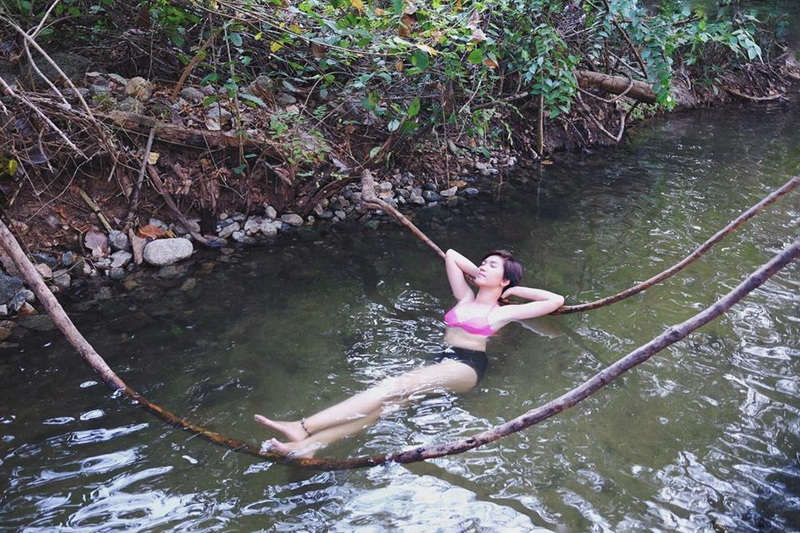
What to Expect at Tha Pai Hot Spring
Tha Pai Hot Spring is a forested natural attraction where geothermal water is part of the landscape. Visitors commonly come to observe the steaming water, walk through the surrounding area, and, where designated facilities and conditions allow, enjoy warm-water bathing. The temperature can vary by pool and location, so do not assume that every pool is suitable for entering. Follow signs, staff instructions, and local rules rather than testing an unmarked area.
The setting is better approached as a nature visit with bathing possibilities, not as a guaranteed spa treatment. Heat affects people differently, and warm water may not be suitable for everyone. Take breaks, drink water, and leave the water if you feel dizzy, uncomfortable, or overheated. People with medical concerns should seek professional advice before using hot water. Avoid making claims that the spring can heal a particular condition; its appeal is the landscape and the simple pleasure of experiencing a geothermal environment.
A useful Thapai Hot Spring Visitor Guide begins with practical clothing. Wear comfortable walking shoes for paths and bring swimwear, a towel, drinking water, sun protection, and a dry change of clothes if bathing is permitted. A light layer can be useful after leaving warm water, especially during cooler periods. Keep valuables secure and carry only what you need near pools. Travelers should also be prepared for uneven ground, changing weather, and limited personal space during busy periods.
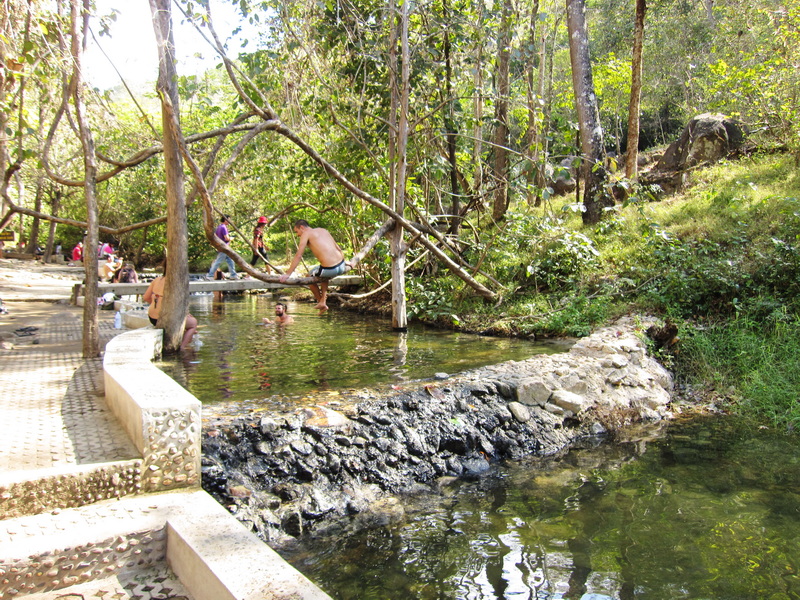
Responsible behavior protects both the place and other visitors. Use only designated changing and bathing areas, keep noise moderate, and do not use soaps, shampoo, or other products in natural pools. Take rubbish with you or place it in appropriate bins. Do not touch plants, collect stones, feed animals, or enter restricted areas for photographs. A respectful Visit Tha Pai Hot Spring experience depends on treating the site as a living natural environment rather than a private facility.
How to Shape the Visit Around Your Travel Style
For an independent traveler, the most comfortable plan usually leaves a buffer around the main stop. Agree with the driver on a meeting point before walking away from the vehicle, and keep your phone charged in case the group separates. If you want time for bathing, say so at the beginning because a short sightseeing stop and a leisurely hot-spring visit require different arrangements. Do not rely on an unconfirmed assumption that a driver will wait indefinitely.
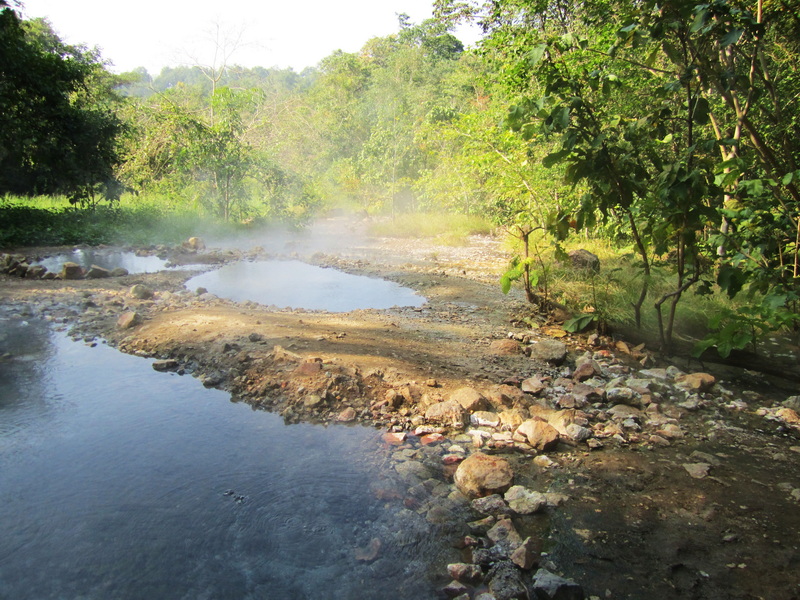
Travelers who prefer observation over bathing can still find plenty to appreciate. Look at how the water, forest, paths, and visitor facilities fit together. Early or later portions of the day may feel calmer, although conditions are not guaranteed and opening arrangements can change. Photography should remain secondary to safety: stay on marked paths, avoid leaning over hot water, and be considerate when other visitors are changing or using the pools.
A family group should assess the visit according to each child’s comfort and the available supervision. Hot water, slippery surfaces, and uneven paths require close attention. Children should not enter water without an adult nearby, and no one should cross barriers to reach a more secluded pool. For older travelers, ask whether the planned walking distance includes steps or slopes, then allow time for rest. A driver can help with transport, but visitors remain responsible for following site rules and supervising their group.
A good Mae Hong Sonn Thailand Travel Guide should also acknowledge the journey’s changing character. Pai District offers a different rhythm from Chiang Mai, and the attraction is most enjoyable when travelers avoid treating every minute as a race. Build the day around weather, energy, and road conditions. If the route is part of a longer Mae Hong Son journey, consider staying flexible rather than promising a fixed number of stops that may become impractical.
Questions to Settle Before Booking Transport
Before choosing a driver, ask whether the arrangement is point-to-point transport, a vehicle with an agreed waiting period, or a broader sightseeing itinerary. These are different services, and the distinction affects how freely you can explore. Confirm the number of passengers, luggage space, pickup and drop-off locations, and whether the driver is expected to accompany visitors on foot. Avoid relying on vague descriptions such as “full day” without clarifying what that means for your planned route.
It is also sensible to discuss comfort and communication. Check whether the driver can communicate clearly about meeting times and route changes, and identify who should be contacted if traffic or weather causes a delay. Ask about seat belts, vehicle capacity, and arrangements for food or rest breaks. Exact prices, schedules, and availability are not included here because they differ by operator and travel date; obtain current details directly from the provider.
Responsible planning includes realistic expectations about mountain travel. A driver may know the route, but no service can guarantee a particular arrival time under every condition. Rain, road repairs, traffic, or a passenger needing extra rest can alter the plan. Allowing a margin is more useful than squeezing several distant attractions into one day. If you are continuing beyond Pai, verify the next leg separately and make sure everyone understands the overall route.
A Considered Way to Experience the Site
Tha Pai Hot Spring Thailand is best approached with attention to place and people. Visitors may encounter local staff, other travelers, and residents using the surrounding area, so modest clothing away from bathing facilities and polite conduct are appropriate. Ask before photographing individuals, respect quiet areas, and avoid assuming that a natural attraction exists only for tourism. Small choices, such as carrying reusable water containers and reducing single-use waste, can make a visit less demanding on the environment.
The attraction can fit several kinds of itinerary, but its role should remain clear. It may be a relaxing pause during a driver journey, a nature-focused stop for travelers who do not want strenuous activity, or one element in a wider exploration of Pai District. It does not need exaggerated descriptions to be worthwhile. The warm-water landscape, forest atmosphere, and opportunity to slow down provide enough reason to visit when combined with sensible preparation.
Before leaving, check that you have your belongings, dry clothes, and any rubbish. Meet the driver at the agreed place and allow time for everyone to be comfortable before beginning the next road section. This simple closing routine prevents a pleasant stop from becoming stressful and helps maintain good relations with the people managing the attraction.
Nearby Attractions
Wat Phra That Mae Yen
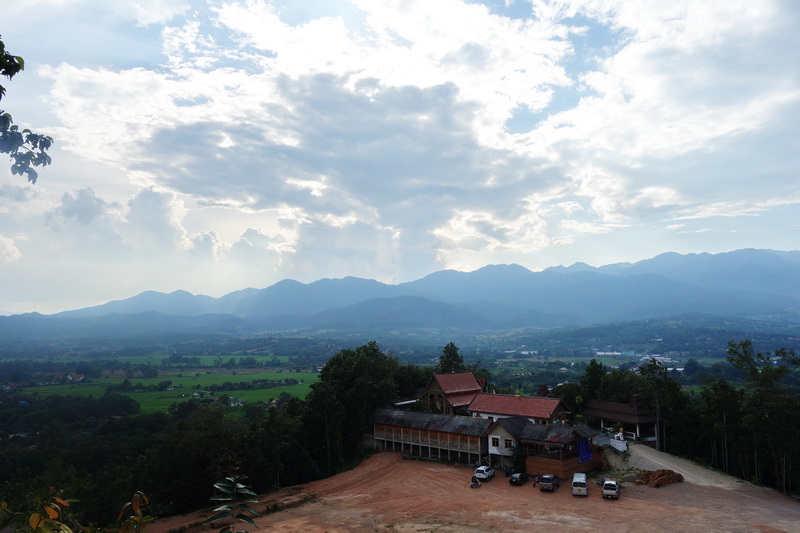
Wat Phra That Mae Yen is a hilltop temple near Pai known for its elevated setting and broad views over the surrounding landscape. Visitors should dress respectfully, behave quietly, and follow any instructions around the religious structures. Reaching viewpoints may involve steps or an uphill walk, so allow time according to your group’s ability and avoid treating the temple as merely a quick photo stop.
This temple pairs naturally with a hot-spring itinerary when the group wants to balance a nature experience with a cultural visit. Discuss the order with the driver in advance, since daylight, heat, and energy levels may influence which stop feels most comfortable first. Keep the visit unhurried and remember that the site remains a place of worship.
Tha Pai Memorial Bridge
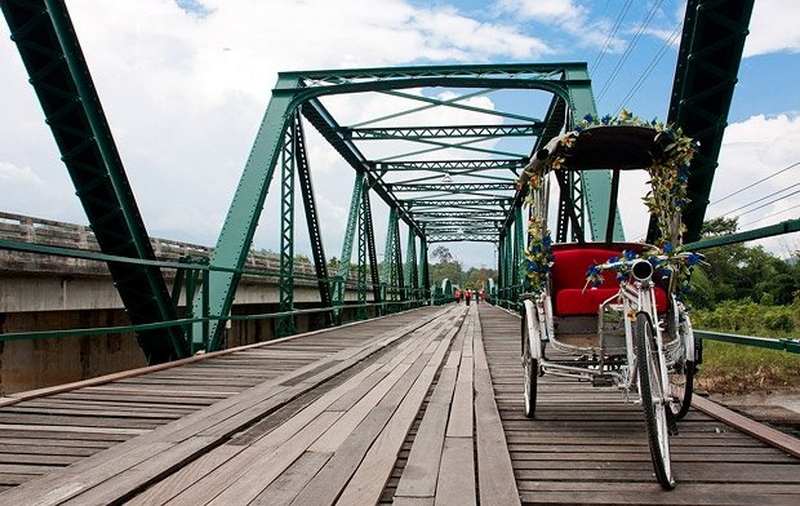
Tha Pai Memorial Bridge is a historic landmark in the Pai area and a straightforward addition for travelers interested in local history and the character of the road corridor. The bridge and its surroundings invite a brief reflective stop, but visitors should remain aware of traffic, marked access areas, and other people using the site. Do not climb on restricted structures or obstruct the roadway for photographs.
Including the bridge after Pong Nam Ron Tha Pai can give the day a different texture: the hot spring offers a natural setting, while the bridge connects the landscape with the area’s wartime and transport history. Ask the driver where the safest meeting point is and how much time is appropriate before continuing. A short, respectful visit is usually more rewarding than rushing through several photographs.
Bringing the Experience Together
A visit to Pong Nam Ron Thapai becomes easier when transport, walking time, bathing expectations, and rest breaks are discussed before departure. A driver tour from Chiang Mai can reduce the pressure of a winding mountain route, but the best itinerary is still one that leaves room for weather and human comfort. Prepare modestly, follow natural-site rules, and treat Wat Phra That Mae Yen and Tha Pai Memorial Bridge as distinct places rather than interchangeable stops. With those choices in place, a Tha Pai Hot Spring Travel Guide becomes a practical foundation for a calm and respectful day in Pai District.

No comments:
Post a Comment