Kam Ko Temple Through a Mae Hong Son Travel Guide Lens
A calm cultural stop to place within a carefully planned journey from Chiang Mai
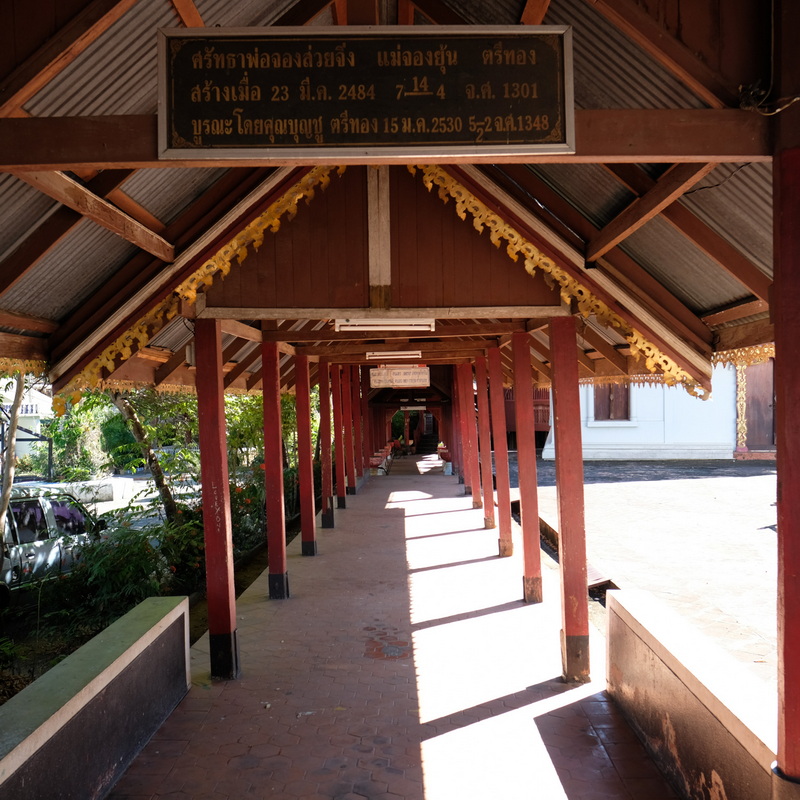
A visit to Kam Ko Temple, also known as Wat Kam Ko or Wat Kamko, works best when it is viewed as part of Mae Hong Son’s living townscape rather than as an isolated photographic stop. The temple sits within Mueang Mae Hong Son District, where religious buildings, local communities, mountain scenery, and regional travel routes come together. Its value for a first-time visitor lies in the opportunity to observe architectural details and temple customs at an unhurried pace. Search results can make planning this area confusing because the same journey is described in several ways. A Mae Hong Sonn Thailand Travel Guide may present Kamko Temple as a cultural sight in the provincial capital, while transport companies may use broader phrases such as a Chiang Mai To Mae Hong Son Driver Tour Package. These expressions do not necessarily describe the same itinerary. Understanding the language helps travelers compare route ideas without assuming that a package includes particular stops, timing, or services. This guide therefore combines cultural orientation with practical route thinking. It explains what makes Wat Kam Ko relevant in a Mae Hong Son itinerary, how to approach a temple respectfully, and how nearby Pha Bong Hot Spring and Wat Chong Kham and Wat Chong Klang can complement the visit. The emphasis is on making sensible decisions rather than treating the town as a checklist of attractions.
Why Kam Ko Temple Belongs in a Mae Hong Son Itinerary
Kam Ko Temple is a useful introduction to the cultural character of Mae Hong Son because the town reflects long-standing connections with communities and traditions from the wider Shan cultural region. Visitors may notice influences that differ from the visual language of central Thai temples, although the exact details are best understood by looking carefully at the site and local interpretation rather than assigning a single label to everything seen there. The temple is a place of worship first, and its importance should not be reduced to architectural appearance.
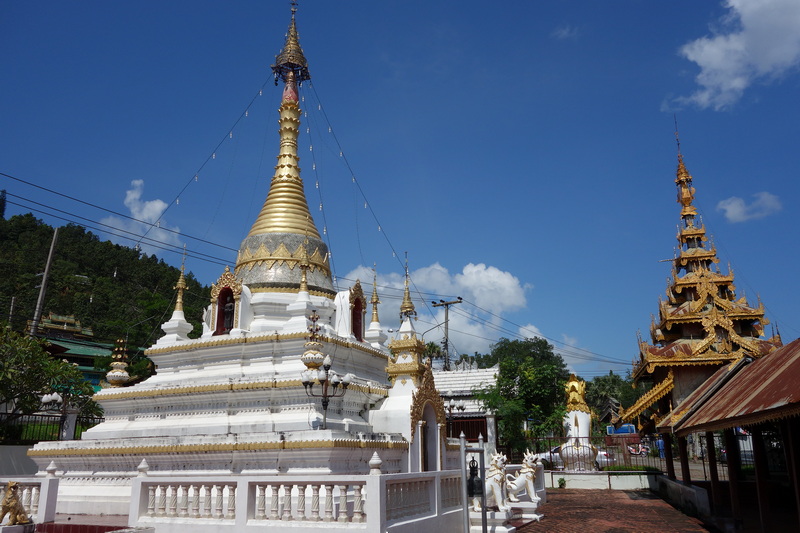
For travelers, the most rewarding approach is observational. Look at the relationship between the prayer spaces, roof forms, decorative elements, and surrounding neighborhood. Notice whether local worshippers are praying, making offerings, or moving through the grounds for everyday purposes, and give them room. A temple visit does not require a long stay to be meaningful. Quiet attention can reveal more than a rapid sequence of photographs.
Wat Kam Ko Mae Hong Son is also relevant because it helps explain the town’s layered identity. Mae Hong Son is not simply a scenic stop on a mountain road; it is a provincial center with religious, cultural, and community life. Placing Wat Kam Ko within that setting gives a more balanced understanding of the destination. The temple can be visited alongside other central sights, but it should not be presented as a performance arranged solely for visitors.
Reading the Temple as a Visitor
A respectful visit begins with appropriate clothing and behavior. Covering shoulders and knees is a considerate choice, especially when entering worship areas. Remove shoes where local practice indicates, keep voices low, and avoid blocking entrances or active devotional spaces. Some areas may be restricted, and a visitor should follow signs or guidance from temple personnel rather than assuming that every building is open to the public.
Photography deserves particular care. Exterior details may be suitable for photographs, but people should not be treated as background scenery without consent. Avoid photographing ceremonies, monks, or worshippers in a way that interrupts their activities. A pause to observe the setting before taking out a camera can make the visit calmer and more respectful.
The name may appear in different forms, including Wat Kam Ko, Wat Kamko, and Kamko Temple. These variations are useful when searching maps, articles, and transport discussions, but they do not change the character of the place. Travelers should also allow for differences in transliteration. If a map result seems unclear, comparing the location with the surrounding Mueang Mae Hong Son area and checking current local directions is more reliable than relying on spelling alone.
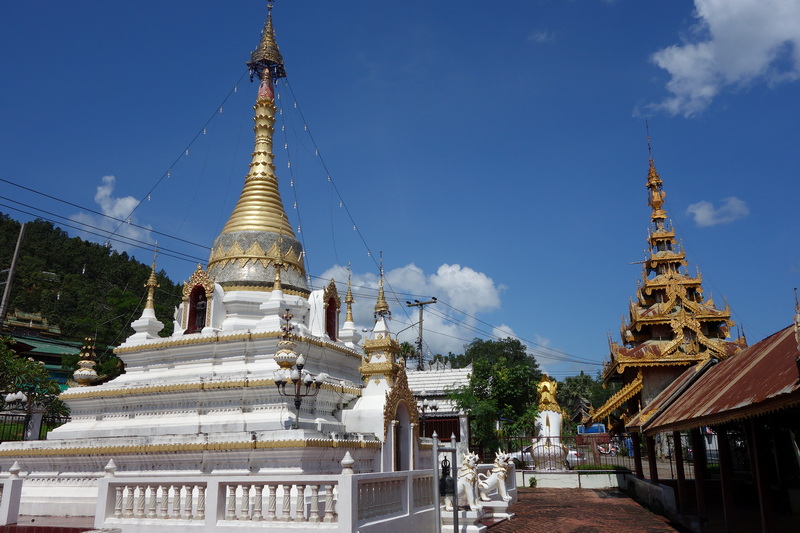
Understanding Driver Tour Terminology from Chiang Mai
The phrase Chiang Mai To Mae Hong Son Driver Tour Package usually signals a journey in which a vehicle and driver are arranged for travel between the two destinations, often with route planning discussed in advance. It does not automatically establish whether a guide, entrance fees, meals, accommodation, or every local transfer is included. Those details vary by provider and should be confirmed directly before booking.
The route itself requires realistic planning. The journey from Chiang Mai into Mae Hong Son Province crosses mountainous terrain, so a private vehicle can be attractive to travelers who value flexibility, want to pause along the way, or prefer not to manage every road connection themselves. At the same time, a driver arrangement is not a reason to compress every sight into one rushed day. The useful question is how much time the itinerary gives to the town and whether the proposed stops match the traveler’s priorities.
When comparing tour wording, distinguish between a transfer, a sightseeing journey, and a multi-day regional circuit. A transfer may focus on reaching Mae Hong Son. A sightseeing package may add selected viewpoints, villages, or cultural sites. A broader loop can connect several destinations and may require more nights. Ask for the route in writing, including the time allocated to Kamko Temple, whether temple visits are optional, and how changes are handled. Avoid assuming that a title such as “driver tour package” guarantees a fixed standard of service.
Independent travelers can use the same terminology as a research tool even when they do not intend to book a package. Searching variations such as Wat Kam Ko Travel Guide or Wat Kam Ko Mueang Mae Hong Son may help identify the temple’s location and context, while driver-tour searches are useful for understanding road logistics. The final plan should still be checked against current local conditions, personal mobility needs, weather, and available time.
Creating a Measured Cultural Route
A balanced visit to Kam Ko Temple does not need a crowded schedule. Begin with the temple while attention is fresh, allowing time to look around without treating the grounds as a timed attraction. Afterward, a meal or a quiet pause in town can create space to reflect on what you have seen. This rhythm is especially useful for international visitors who are still becoming familiar with Thai temple etiquette and the local geography.
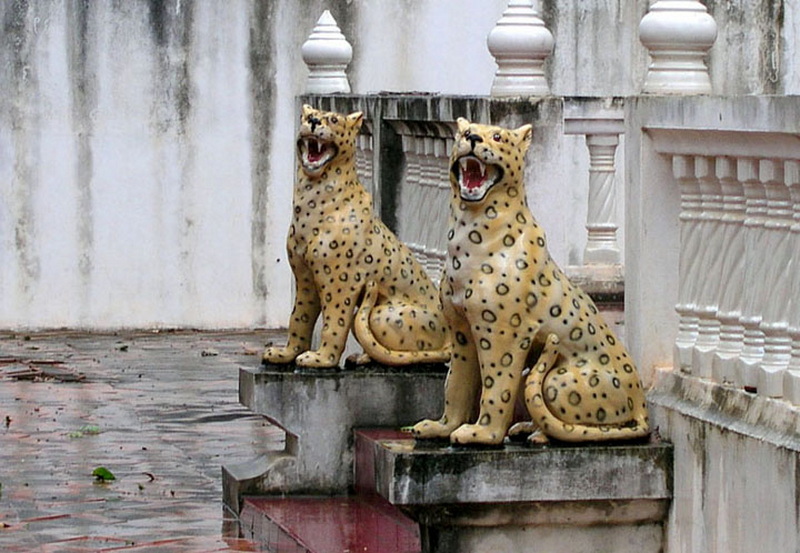
If a driver is involved, communicate the purpose of the stop clearly. Explain whether the priority is architectural observation, prayer, photography from public areas, or simply a short cultural visit. This helps prevent misunderstandings about how long the stop should last. It is also sensible to keep some flexibility because weather, local activity, and road conditions can affect a regional itinerary.
A good travel plan joins places by character rather than by a long list. Kam Ko Temple offers a cultural and religious perspective. Pha Bong Hot Spring adds a natural setting outside the immediate town atmosphere, while Wat Chong Kham and Wat Chong Klang provide another important cultural focus near the central lake area. Together, these stops can show different aspects of Mae Hong Son without requiring the visitor to describe the province through only one type of experience.
Questions to Settle Before Setting Out
Before confirming transport, establish the number of days available, the starting point, and whether the journey is one-way or part of a return route. Ask how much time is planned in Mueang Mae Hong Son District and whether the driver waits during temple visits. Confirm the vehicle arrangement and any additional charges in clear language, but do not rely on a generic package title to answer these questions.
Travelers should also consider the season and the physical character of the route. Mountain journeys can feel different from short urban transfers, and conditions may influence comfort and timing. Carry water, sun protection, and modest clothing suitable for religious sites. Comfortable footwear is helpful when an itinerary includes several separate stops, although visitors should be prepared to remove shoes where required.
Most importantly, leave room for cultural uncertainty. A temple may be quieter or busier than expected, and a building that appears interesting from outside may not be open for entry. This is not a disappointment; it is part of visiting a living religious place. The responsible response is to observe boundaries, ask politely when appropriate, and continue the journey with patience.
Nearby Attractions
Pha Bong Hot Spring
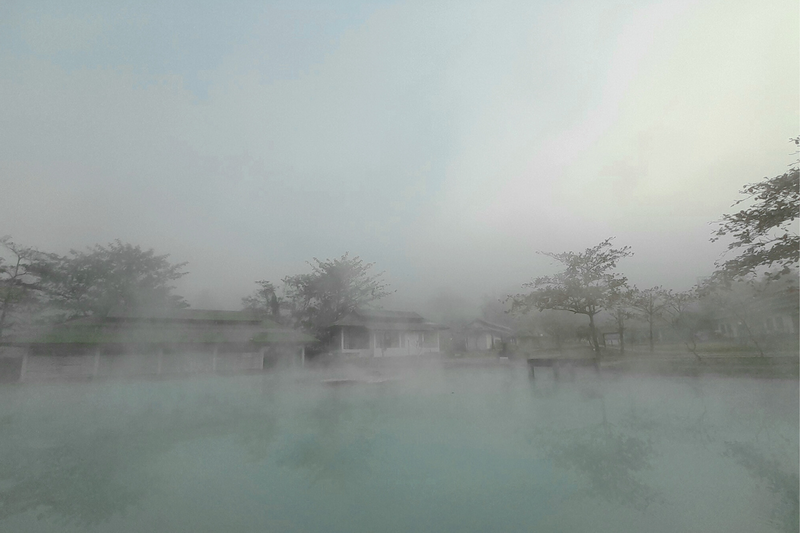
Pha Bong Hot Spring offers a natural counterpoint to the temple visit. Its hot spring setting provides a chance to experience Mae Hong Son beyond its religious architecture and mountain roads. The area is associated with naturally heated water, but visitors should follow current local guidance about bathing, access, and safe use rather than assuming that every pool or facility is available at all times.
As part of a driver itinerary, the hot spring can work as a slower stop after cultural sightseeing. Allow enough time to appreciate the surroundings instead of treating it only as a brief photograph stop. Travelers should check current operating information locally, respect posted instructions, and avoid making assumptions about facilities or accessibility. Combining Pha Bong Hot Spring with Kam Ko Temple creates variety while keeping the broader journey connected to the character of Mae Hong Son Province.
Wat Chong Kham and Wat Chong Klang
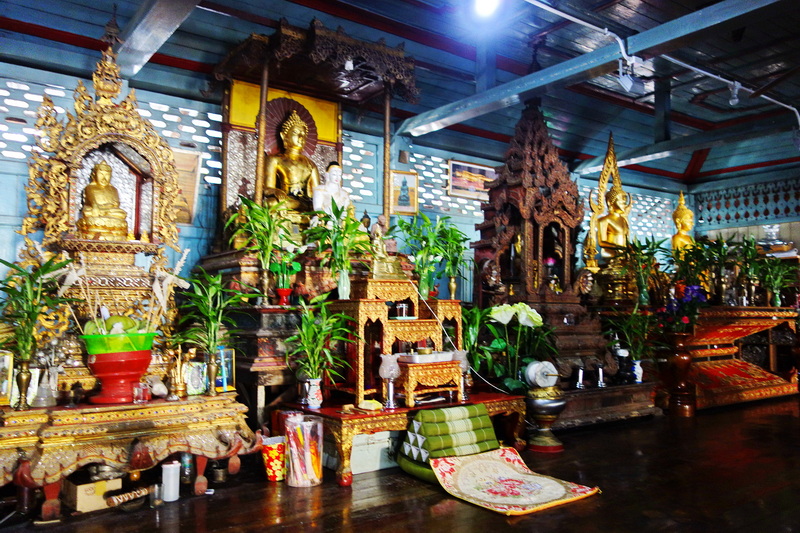
Wat Chong Kham and Wat Chong Klang are prominent temples in the central Mae Hong Son area, near the lake and the town’s well-known religious landscape. The paired temple setting gives visitors another opportunity to consider the regional Buddhist traditions and architectural influences that shape the provincial capital. Their location also makes them a natural complement to a visit to Wat Kam Ko when planning a cultural route through town.
Visitors should approach both temples with the same courtesy expected at Kam Ko Temple: dress modestly, speak quietly, follow instructions, and be attentive to worshippers. The atmosphere may change during religious observances or local activity, so a flexible schedule is preferable. Seeing these temples alongside Wat Kam Ko can help travelers recognize that Mae Hong Son’s cultural identity is expressed through a network of sacred places rather than one isolated monument.
Bringing the Experience Together
Kam Ko Temple is most rewarding when included in a thoughtful Mae Hong Son route rather than approached as a hurried checkbox. A respectful visit, realistic mountain-road planning, and careful reading of driver-tour terminology can give first-time travelers greater confidence. Use Pha Bong Hot Spring and Wat Chong Kham and Wat Chong Klang to add natural and cultural variety, while keeping enough time for the places themselves. Whether you travel independently or compare a Chiang Mai To Mae Hong Son Driver Tour Package, let the itinerary support observation, courtesy, and a genuine sense of place.

No comments:
Post a Comment