Exploring the Three Kings Monument and Temple Tours in Chiang Mai Province
Discover cultural heritage and multi-destination tours featuring Chiang Mai temples and regional travel packages
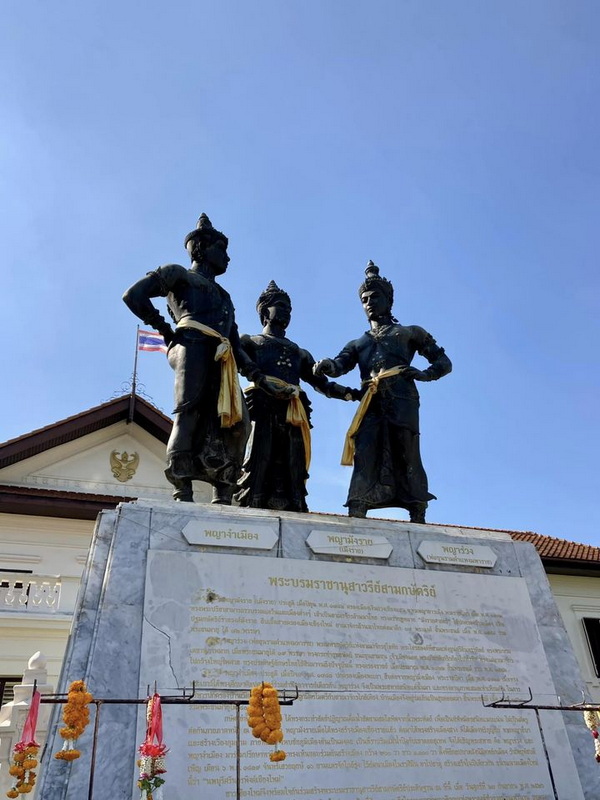
The Three Kings Monument stands as a significant cultural landmark in Muang Chiang Mai, representing the unity and historical alliance of three founding kings of the city. This monument is not only a symbol of Chiang Mai’s rich heritage but also a focal point for visitors interested in exploring the spiritual and architectural beauty of northern Thailand. For travelers seeking an immersive experience, a Chiang Mai Temple Tour offers an insightful journey through some of the most revered temples in the province, revealing layers of religious significance and local traditions. Beyond the city itself, the appeal of combined Chiang Mai and Chiang Rai tour packages provides a broader perspective on Northern Thailand’s cultural landscape. These multi-destination tours allow visitors to appreciate the diverse artistic styles and historical contexts that define this region. Planning such an itinerary requires attention to cultural respect and regional travel logistics, ensuring a meaningful and ethical engagement with the local communities and sacred sites. This article highlights the cultural importance of the Three Kings Monument, key temple destinations within Chiang Mai Province, and considerations for travelers interested in extended regional tours.
Cultural Significance of the Three Kings Monument
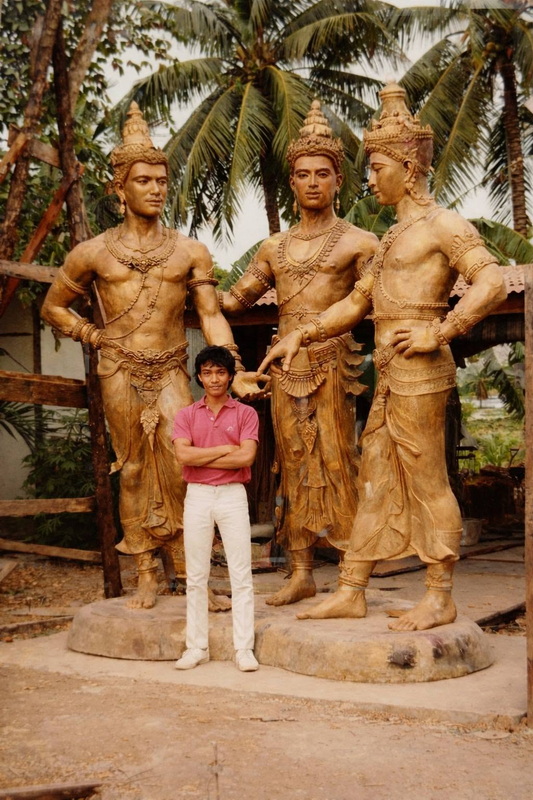
The Three Kings Monument commemorates the legendary alliance of King Mengrai, King Ramkhamhaeng of Sukhothai, and King Ngam Muang of Phayao, who are credited with founding Chiang Mai in the late 13th century. This monument serves as a powerful symbol of cooperation and unity that shaped the region’s early history. Situated in the heart of Muang Chiang Mai, the statue is a gathering place for locals and visitors alike, reflecting the city’s pride in its origins.
Visitors to the monument gain insight into the political and cultural foundations of Chiang Mai Province, which played a crucial role in the development of Northern Thailand’s distinct identity. The monument’s central location makes it an ideal starting point for exploring the surrounding temples and understanding the spiritual heritage that continues to influence the region today.
Exploring Chiang Mai Temple Tours
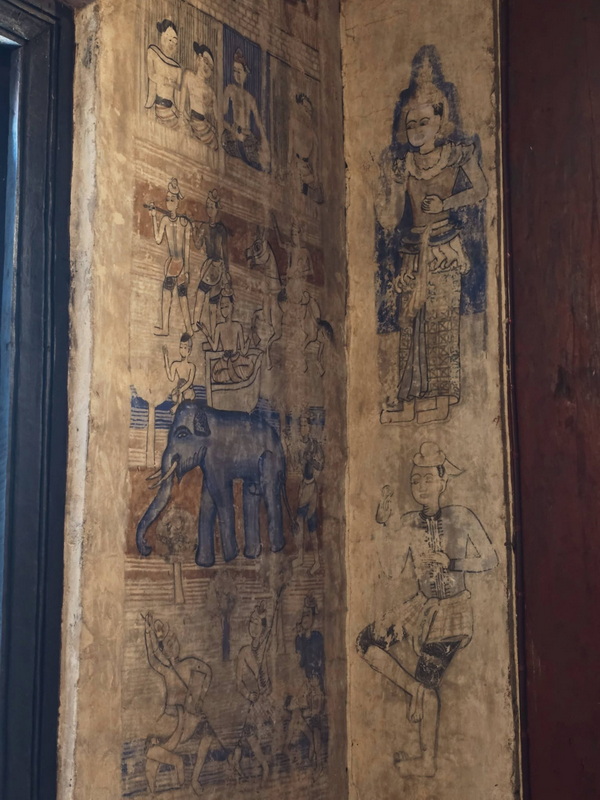
Chiang Mai Temple Tours offer travelers a rich cultural experience, featuring visits to ancient temples that showcase exquisite Lanna architecture and religious art. These tours typically include stops at prominent temples such as Wat Phra Singh and Wat Chiang Man, each with unique historical and spiritual significance. Wat Phra Singh is renowned for its intricate wood carvings and the revered Phra Singh Buddha image, attracting devotees and cultural enthusiasts alike.
Wat Chiang Man, the oldest temple in Chiang Mai, provides a glimpse into the city’s early religious practices and houses important Buddha statues that date back centuries. A Chiang Mai Temple Tour not only highlights architectural beauty but also encourages respectful visitor behavior, fostering a deeper appreciation for local customs and religious traditions.
Combining Chiang Mai and Chiang Rai Tour Packages
For travelers interested in an extended journey through Northern Thailand, Chiang Mai and Chiang Rai tour packages offer a seamless way to explore multiple cultural hubs. These combined tours provide access to diverse attractions, from Chiang Mai’s historical temples to Chiang Rai’s distinctive white temple and hill tribe villages. Such multi-destination travel requires thoughtful planning to balance sightseeing with meaningful cultural engagement.
Tour packages often emphasize provincial travel logistics, including transportation and pacing, while respecting the living cultural heritage of each destination. Visitors benefit from guided insights into regional history and architecture, enhancing their understanding of the interconnectedness of these northern cities. This approach supports ethical tourism practices and enriches the overall travel experience.
Considerations for Multi-Destination Travel in Chiang Mai Province
When planning a multi-destination itinerary that includes the Three Kings Monument and temple tours, travelers should consider factors such as travel time, cultural etiquette, and seasonal variations. Northern Thailand’s climate and festival calendar can influence the timing of visits, with certain periods offering unique opportunities to witness local ceremonies and traditions.
Respect for religious sites is paramount, including appropriate dress codes and behavior within temple precincts. Engaging with knowledgeable guides can enhance the cultural sensitivity of the visit, ensuring that interactions with local communities and sacred spaces are conducted with respect and understanding. These considerations contribute to a responsible and rewarding travel experience in Chiang Mai Province.
Nearby Attractions
Wat Phra Singh
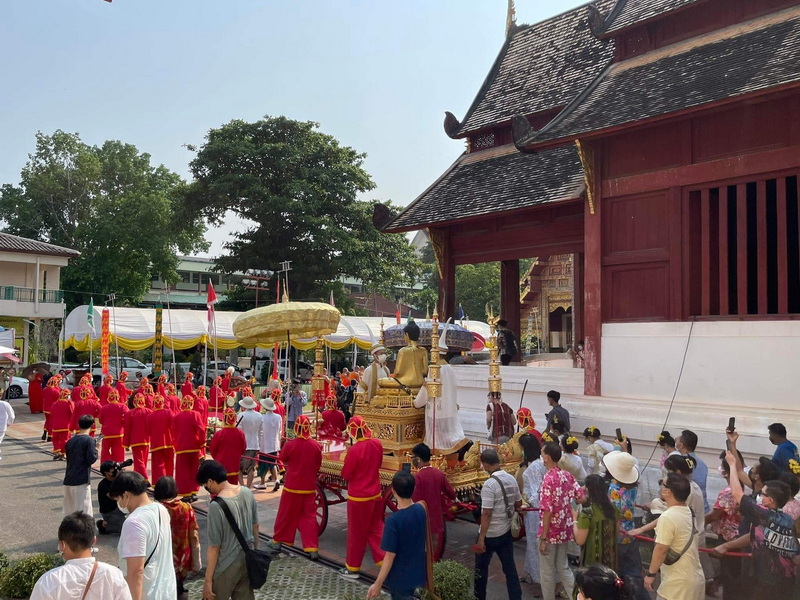
Wat Phra Singh is one of Chiang Mai’s most revered temples and a highlight on any Chiang Mai Temple Tour. Founded in the 14th century, it is famous for its Lanna-style architecture and the Phra Singh Buddha statue, which is a significant religious icon for locals. The temple complex includes beautifully decorated viharns (assembly halls) and intricate murals depicting Buddhist teachings and local history.
Visitors to Wat Phra Singh can observe traditional monk chanting and participate in religious ceremonies during special festivals. The temple’s serene atmosphere and artistic heritage make it an essential stop for those interested in the spiritual and cultural fabric of Chiang Mai Province.
Wat Chiang Man
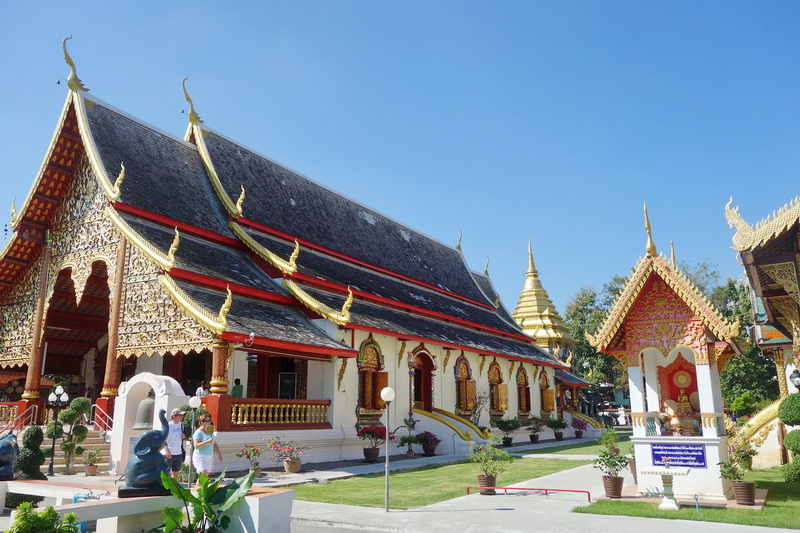
Wat Chiang Man holds the distinction of being the oldest temple in Chiang Mai, established by King Mengrai. It houses important Buddha images, including a crystal Buddha and a marble statue, both of which are objects of deep veneration. The temple’s architecture reflects early Lanna influences, providing valuable insights into the region’s religious history.
As a nearby attraction to the Three Kings Monument, Wat Chiang Man complements a cultural itinerary by offering a quieter, contemplative experience. Visitors can appreciate its historical significance and the role it played in Chiang Mai’s spiritual development, making it a meaningful addition to any Chiang Mai Temple Tour.
Bringing the Experience Together
The Three Kings Monument and surrounding temples in Chiang Mai Province present travelers with a unique opportunity to connect with Northern Thailand’s rich cultural and historical heritage. By incorporating Chiang Mai Temple Tours and combined Chiang Mai and Chiang Rai tour packages into their itineraries, visitors can gain a deeper understanding of the region’s spiritual significance and architectural beauty. Thoughtful planning and respectful engagement with these sacred sites ensure an enriching experience that honors local traditions and supports sustainable tourism. Exploring this region invites travelers to appreciate not only the landmarks but also the living culture that continues to thrive in Northern Thailand.

No comments:
Post a Comment