Exploring Hill Tribes of Northern Thailand with Budget and Private Tour Options at Doi Pui Hmong Village
A practical guide to visiting hill tribes near Doi Suthep with affordable and private tour choices plus nearby cultural sites
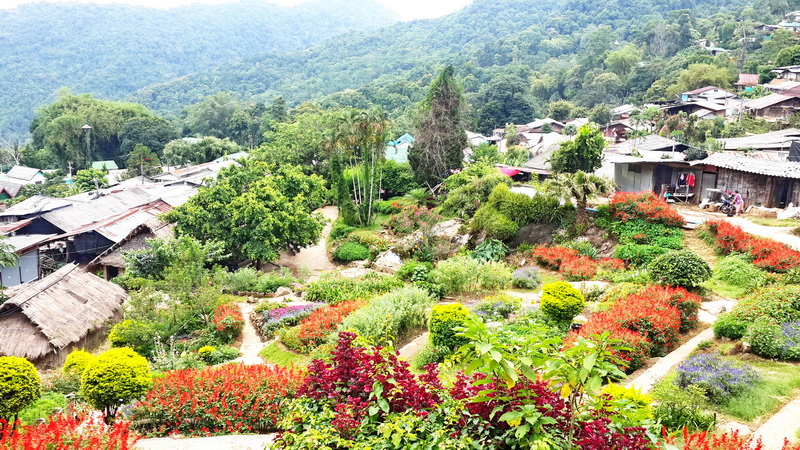
Northern Thailand is renowned for its rich tapestry of hill tribe cultures, each offering unique traditions, crafts, and lifestyles that have endured for centuries. Among these communities, the Hmong Doi Pui Village stands out as a well-preserved indigenous settlement perched near the scenic Doi Suthep mountain. Travelers interested in authentic cultural experiences often seek ways to explore this area respectfully and affordably. This article focuses on practical travel options around Doi Pui Hmong Village, highlighting both budget-friendly and private tours to Doi Suthep. These tours provide accessible ways to engage with the hill tribes and the surrounding natural beauty without compromising cultural sensitivity. Additionally, nearby attractions like Wat Pha Lad and Khun Chang Kian Village enrich the itinerary, offering visitors more insight into the region’s heritage and environment. Whether you are a solo traveler, part of a family group, or a senior visitor, this guide balances cultural respect with practical advice to help you plan a meaningful visit. Understanding the background of the hill tribes and choosing the right type of tour ensures that your trip supports local communities while providing an enjoyable and enlightening experience.
Understanding the Hill Tribes of Northern Thailand
Northern Thailand is home to several indigenous hill tribes, each with distinct languages, customs, and traditional attire. The Hmong people, who inhabit the Doi Pui Hmong Village near Muang Chiang Mai, are among the most recognized groups. Their history in the region dates back hundreds of years, with cultural practices deeply tied to agriculture, weaving, and spiritual beliefs. Travelers researching Budget Tour Doi Suthep can use these details when planning the trip. Travelers researching Private Tour Doi Suthep can use these details when planning the trip.
The Hmong community maintains a lifestyle that balances modern influences with ancestral traditions. Visitors to the village can observe traditional handicrafts such as intricate embroidery and silverwork, which hold cultural significance and are often created by local artisans. Respect for these traditions is essential when visiting, as the community values dignity and consent in all cultural exchanges.
Beyond the Hmong, other hill tribes like the Karen, Lisu, and Lahu also inhabit Northern Thailand, contributing to the region’s diverse cultural mosaic. Learning about the hill tribes’ backgrounds before visiting fosters appreciation and encourages ethical tourism that benefits the indigenous people rather than exploiting their culture.
Budget Tour Doi Suthep: Accessible Cultural Exploration
For travelers seeking an affordable way to visit the Doi Pui Hmong Village and surrounding areas, budget tours to Doi Suthep offer a practical solution. These group tours typically include transportation and guided visits to key sites, providing a structured yet economical experience.
Budget tours often focus on Doi Suthep Temple, a revered religious site, before continuing to the hill tribe village. This combination allows visitors to appreciate both spiritual and cultural aspects of the region. While group settings may limit personalized interaction, they offer a reliable introduction to the area’s heritage.
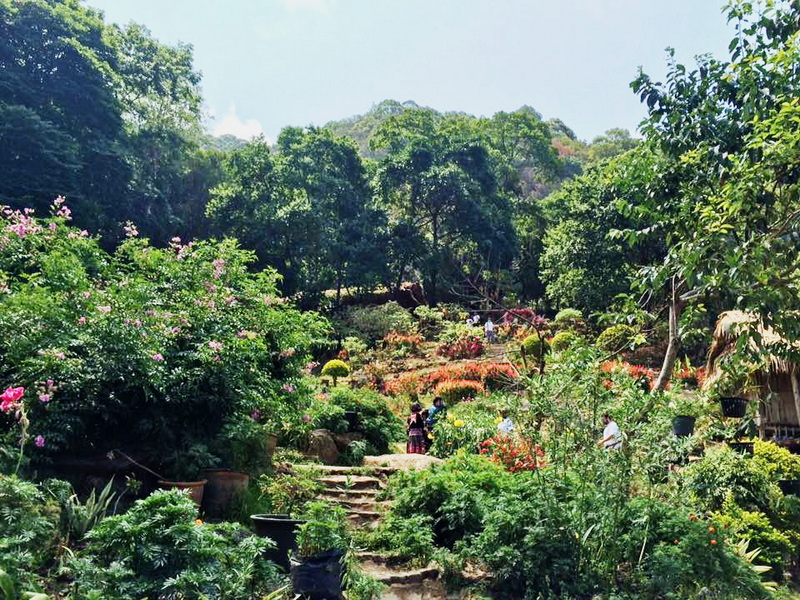
Choosing a budget tour requires consideration of the tour operator’s ethical practices, ensuring that the hill tribe communities are treated respectfully and that proceeds support local livelihoods. Many budget tours have adapted to emphasize cultural sensitivity, avoiding exoticizing or commodifying indigenous traditions.
Private Tour Doi Suthep: Personalized and Respectful Experiences
Private tours to Doi Suthep and the Hmong Doi Pui Village offer a flexible and intimate way to explore Northern Thailand’s hill tribe culture. These tours can be tailored to individual interests, pace, and accessibility needs, making them especially suitable for senior travelers or those seeking a deeper cultural connection.
With a private guide, visitors gain opportunities for more meaningful dialogue with local community members, fostering mutual respect and understanding. Private tours also allow for visits to less frequented parts of the village or additional cultural demonstrations that group tours might not provide.
Though private tours usually come at a higher cost than budget options, they often ensure greater cultural sensitivity and support for the community by avoiding overcrowding and emphasizing ethical engagement. Travelers are encouraged to inquire about the guide’s knowledge of hill tribe culture and commitment to respectful tourism.
Wat Pha Lad: A Nearby Spiritual Retreat
Located close to the Hmong Doi Pui Village, Wat Pha Lad is a serene Buddhist temple known for its peaceful atmosphere and natural surroundings. Visitors often include this site in their itineraries to complement the cultural exploration of the hill tribes with a spiritual dimension.
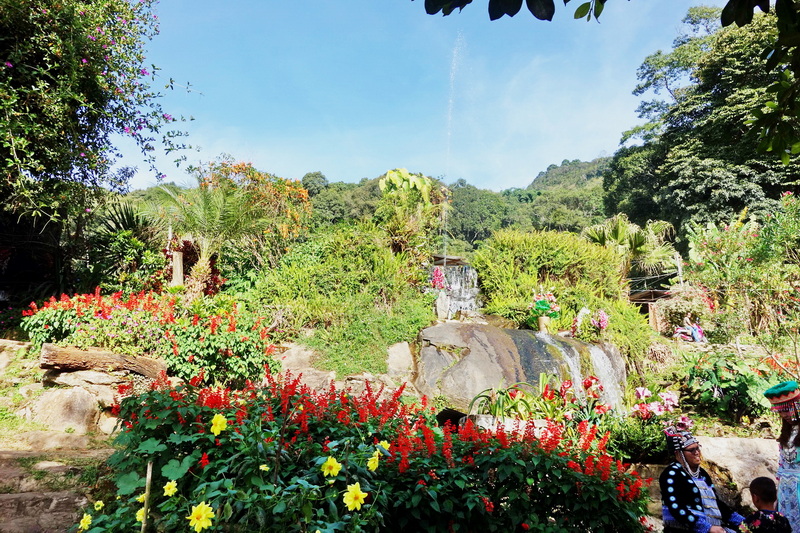
The temple is nestled in a forested area, offering walking trails and meditation spots that invite reflection and calm. It is less commercialized than the famous Doi Suthep Temple, providing a quieter experience that appeals to travelers seeking a contemplative environment.
Respectful behavior is expected when visiting Wat Pha Lad, including modest dress and silence during meditation sessions. The temple’s simplicity and connection to nature enhance the overall understanding of Northern Thailand’s cultural and religious landscape.
Khun Chang Kian Village: Agricultural Traditions and Scenic Views
Another noteworthy nearby attraction is Khun Chang Kian Village, renowned for its agricultural heritage and beautiful scenery. This rural community offers insights into traditional farming practices, including vegetable cultivation and flower farming, which have sustained local livelihoods for generations.
Visitors can explore the village’s markets and farms, where seasonal produce and handmade goods are sold directly by villagers. This interaction supports the local economy and encourages sustainable tourism practices.
Khun Chang Kian’s location near Doi Suthep and the hill tribe villages makes it an excellent addition to a cultural itinerary. It broadens the visitor’s perspective on rural life in Northern Thailand, highlighting the interconnectedness of agriculture, community, and culture.
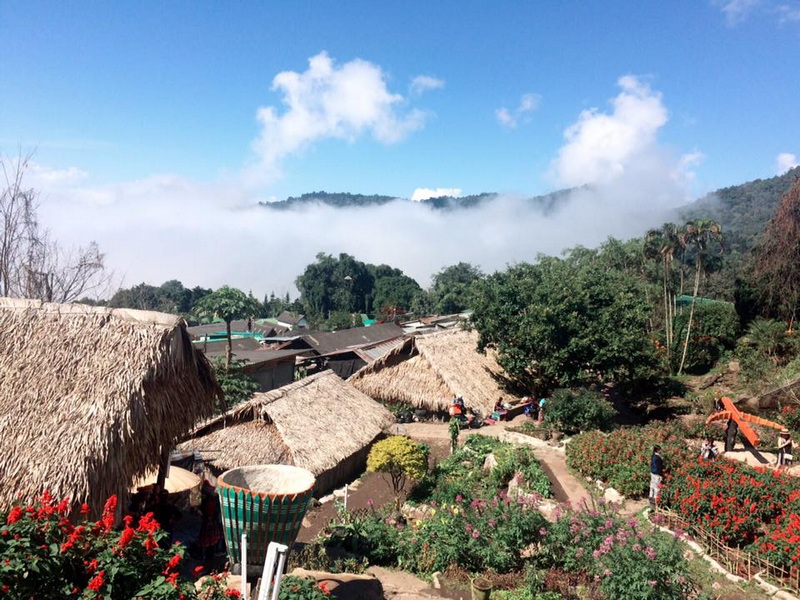
Planning a Respectful and Affordable Visit to Doi Pui Hmong Village
When planning a trip to Doi Pui Hmong Village and the surrounding region, it is important to approach the experience with cultural sensitivity and practical preparation. Researching the hill tribes’ background and choosing tours that prioritize ethical engagement helps ensure that your visit benefits the local communities.
Budget and private tours each offer distinct advantages depending on travel style and needs. Budget tours provide accessibility and group dynamics, while private tours allow for personalized encounters and deeper cultural understanding. Both types should be booked through reputable operators who respect indigenous rights.
Visitors are encouraged to dress modestly, ask permission before photographing individuals, and avoid purchasing items that exploit cultural symbols. Supporting local artisans by buying authentic handicrafts directly from the community contributes to sustaining their traditions.
Finally, combining hill tribe visits with nearby sites like Wat Pha Lad and Khun Chang Kian Village enriches the travel experience, providing a well-rounded understanding of Northern Thailand’s cultural and natural heritage.
Nearby Attractions
Wat Pha Lad
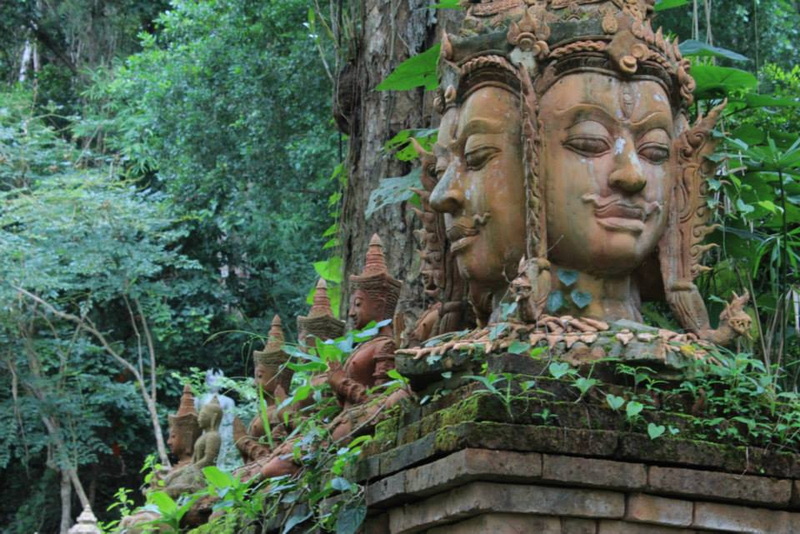
Wat Pha Lad is a tranquil Buddhist temple situated near the hill tribe villages around Doi Suthep. Known for its serene forest setting, it offers a peaceful retreat for visitors seeking spiritual calm away from busier tourist spots.
The temple grounds include meditation areas and shaded walking paths, inviting quiet reflection in nature. Wat Pha Lad’s less commercialized atmosphere provides an authentic experience of Thai Buddhist practices and a chance to observe monks in daily rituals.
Visitors should observe respectful conduct, including appropriate attire and maintaining silence during meditation sessions. The temple complements cultural visits to the hill tribes by offering insight into the spiritual traditions that influence the region.
Khun Chang Kian Village
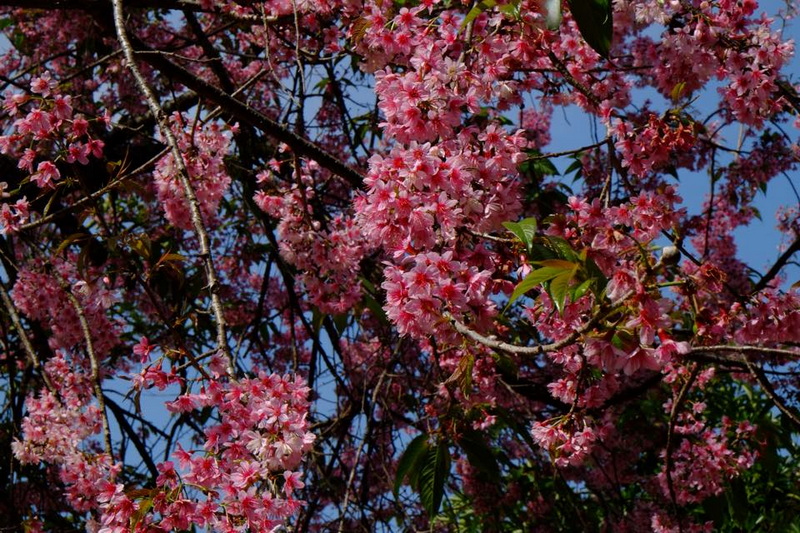
Khun Chang Kian Village is a charming rural community near Doi Suthep, celebrated for its agricultural lifestyle and scenic beauty. The village is particularly famous for its flower farms and vegetable gardens, which visitors can explore to understand traditional farming techniques.
Local markets in Khun Chang Kian provide opportunities to purchase fresh produce and handmade crafts directly from villagers, supporting sustainable tourism and local economies. The village’s pastoral setting offers a contrast to the mountainous hill tribe villages, enriching the cultural journey.
Including Khun Chang Kian in your itinerary adds depth to the Northern Thailand experience, highlighting the region’s diverse ways of life and the close relationship between community and environment.
Bringing the Experience Together
Exploring the hill tribes of Northern Thailand, particularly the Hmong Doi Pui Village, invites travelers to engage with rich cultural traditions in a meaningful and respectful way. By choosing budget or private tours thoughtfully, visitors can support local communities while enjoying accessible and personalized experiences. Incorporating nearby sites such as Wat Pha Lad and Khun Chang Kian Village broadens the understanding of the region’s heritage and natural beauty. Planning with cultural sensitivity and practical considerations ensures a rewarding journey that honors the dignity of the indigenous peoples and the environment they call home.

No comments:
Post a Comment