Sai Ngam Natural Mineral Spring Travel Guidance from Chiang Mai
A practical route plan for reaching Sai Ngam from Chiang Mai and combining the spring with selected Pai stops
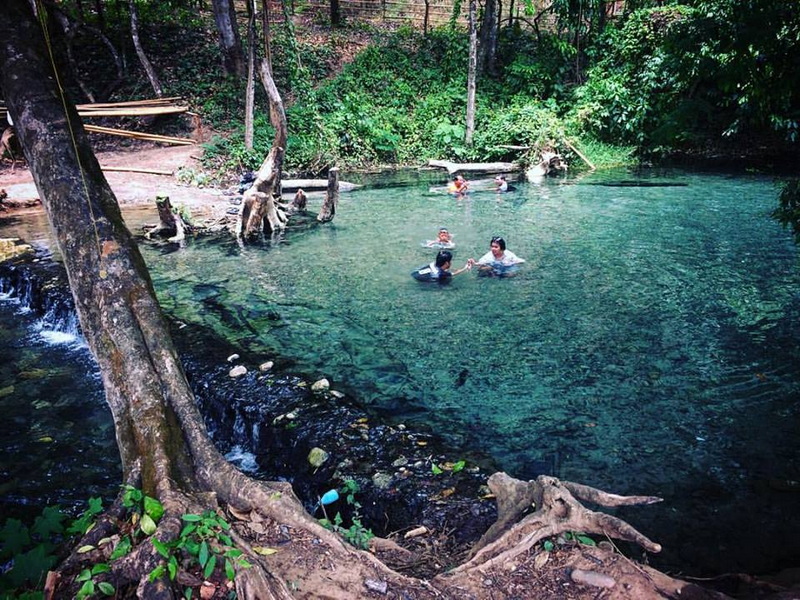
Planning a visit to Sai Ngam Natural Mineral Spring is easier when the journey is treated as a route through northern Thailand rather than as a single stop. The spring lies in Pai District, Mae Hong Son, in a forested setting reached by road from Pai. For travelers beginning in Chiang Mai, the distance, winding mountain roads, and limited public transport around rural attractions make advance planning especially useful. This guide focuses on practical decisions: whether to use a private driver, how to shape a day around the spring, what the bathing environment may be like, and how to connect the visit with Pam Bok Waterfall and Pai Walking Street. It is intended for independent travelers who want flexibility without relying on unconfirmed schedules or promises from tour operators. A Chiang Mai to Mae Hong Son route can involve long travel through mountainous terrain, so the most comfortable plan usually allows sufficient time rather than forcing too many destinations into one day. The spring itself rewards a slower pace, respectful behavior, and attention to local conditions. Treat the following advice as a planning framework, then confirm road access, opening arrangements, and weather conditions locally before departure.
Place Sai Ngam on the Right Route
Sai Ngam Hot Spring is associated with Pai District in Mae Hong Son Province, not with central Chiang Mai. A traveler leaving Chiang Mai must first cross the mountain route toward Pai, then continue through the local road network to the spring area. The journey is scenic but can be tiring because of frequent curves, changing elevations, and the concentration required on narrow sections. Anyone prone to motion sickness should prepare before setting out and should avoid assuming that map distance reflects actual travel time.
The most useful planning question is how much time should be devoted to the spring itself. A brief stop may feel rushed, particularly if visitors want to change clothes, walk through the surrounding trees, or wait for a quieter moment in the bathing area. A route plan that begins early and keeps the number of additional stops modest is generally more realistic than attempting to cover every attraction between Chiang Mai and Pai.
For a wider Mae Hong Sonn Thailand Travel Guide, use Pai as the logistical base for this part of the trip. Accommodation, food, and local transport are more readily organized there than at the spring. Travelers staying overnight in Pai can approach Sai Ngam as a half-day excursion, while those traveling from Chiang Mai should assess whether a one-way transfer, overnight stop, or multi-day Mae Hong Son journey better suits their energy and schedule.
How to Think About a Private Driver
A private vehicle with a driver can simplify the route because the driver handles the mountain roads while passengers concentrate on navigation, rest, and the scenery. When comparing a Chiang Mai To Mae Hong Son Driver Tour Package, ask what is actually included rather than relying on the package name alone. Important points include the starting location, whether the service is point-to-point or sightseeing-based, the number of hours available, waiting arrangements, passenger capacity, luggage space, and whether the itinerary can include Pai.
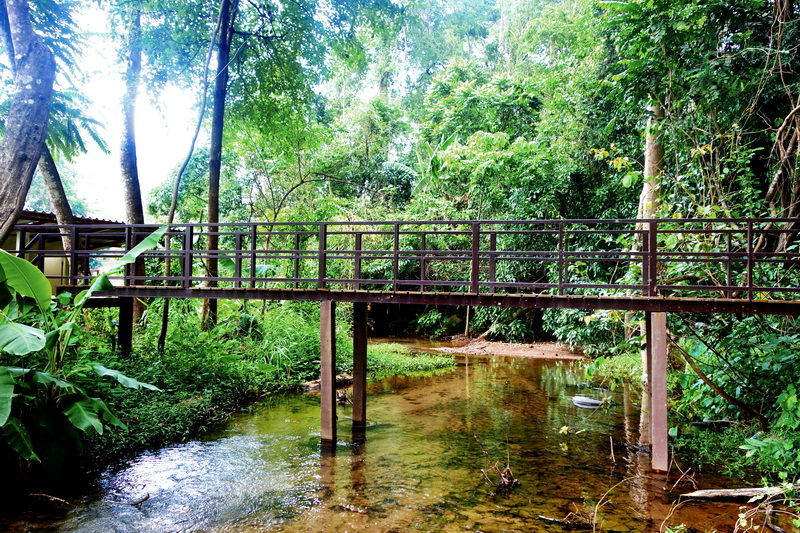
Availability, vehicle type, and conditions vary between providers, so these details should be confirmed directly before booking. A driver service may be more suitable than a standard group excursion for travelers carrying luggage or combining the spring with selected Pai destinations. It can also help families or small groups avoid the inconvenience of arranging separate local transfers, although a private vehicle does not remove the need to respect road conditions and local access rules.
Keep the itinerary clear and achievable. Tell the driver that Sai Ngam is the priority, then identify optional stops rather than demanding an overly dense schedule. Ask whether the vehicle can wait while visitors swim or walk, and confirm where the day will finish. If road conditions change because of rain or other local factors, a responsible plan should allow the driver to adjust the order of stops or recommend postponement. No package should be treated as a guarantee of access when conditions are changeable.
What to Expect at the Mineral Spring
Sai Ngam is known as a natural hot spring with warm mineral-rich water collected in a forest environment. Visitors generally encounter a natural-looking bathing area rather than a large resort complex. The setting is part of the appeal: trees provide shade, water gathers in pools, and the atmosphere can feel removed from the busier streets of Pai. The exact appearance, water level, and visitor conditions may vary with weather, maintenance, and local management.
A Sai Ngam Mineral Spring Travel Guide should begin with realistic expectations. The spring is a nature attraction, so bring swimwear, a towel, drinking water, sun protection, and a waterproof bag for valuables. Wear footwear that is comfortable on damp or uneven surfaces, and take care when entering or leaving the water. Warm water can be tiring, especially after a long drive, so short bathing periods with rest and hydration are sensible.
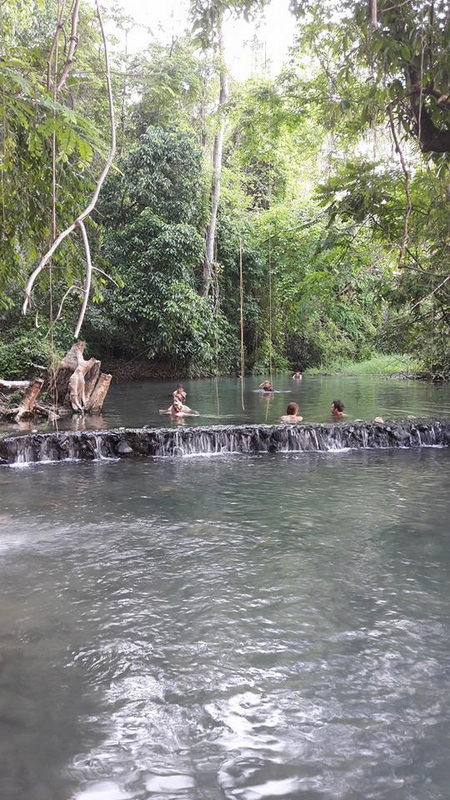
Avoid presenting the mineral water as a medical treatment. People visit for relaxation and the natural setting, but unverified healing claims should not guide the decision to bathe. Visitors with health concerns, pregnancy, or sensitivity to heat should seek appropriate medical advice and use personal judgment. Follow any posted instructions, local guidance, or temporary restrictions, and do not enter areas that are closed.
The spring is best enjoyed quietly. Keep voices moderate, do not bring glass containers, and take all rubbish away if disposal facilities are limited. Soap, shampoo, and other products should not be used in a natural bathing pool. Photography should also be considerate: ask before photographing other bathers and avoid turning local visitors into scenery. These small choices protect both the water and the dignity of people using the site.
Build a Flexible Visit Around Pai
For travelers coming from Chiang Mai, there are several broad ways to structure the outing. A direct transfer toward Pai followed by the spring and an overnight stay reduces the pressure of returning the same day. A longer Mae Hong Son itinerary can place Sai Ngam between other regional stops, provided the route is checked carefully. Travelers already based in Pai have greater flexibility and can choose a morning or afternoon visit according to weather, personal preference, and local advice.
Keep meals and rest breaks separate from the spring visit unless the driver or local information confirms an appropriate place. Natural attractions may have limited facilities, and it is unwise to assume that food, changing rooms, or reliable mobile service will be available at every point. Carry modest supplies, but avoid leaving food waste or packaging behind.
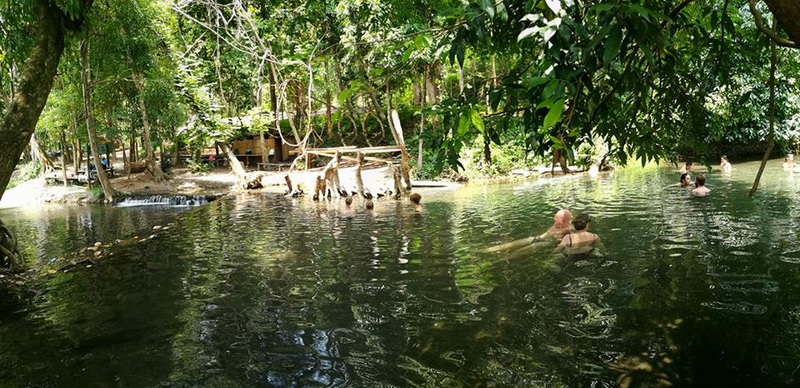
The best plan has a primary objective and a fallback. If rain makes the access road uncomfortable, if the spring is crowded, or if local conditions restrict entry, visitors can spend more time in Pai rather than forcing the stop. This approach is particularly useful for independent travelers, because it preserves the purpose of the journey without turning a change of conditions into a safety problem.
Practical Checks Before Leaving
Before departure, confirm the latest access information with your accommodation, driver, or another reliable local source. Check whether the bathing area is open, whether an admission charge applies, and whether any road or weather limitations affect the route. These details can change, so they should not be copied uncritically from an old itinerary. Also confirm whether your transport provider has included waiting time and whether the return journey is clearly arranged.
Pack lightly but deliberately. A change of clothes, towel, water, basic medication, motion-sickness supplies, and footwear with good grip are more useful than elaborate equipment. Keep passports, electronics, and cash protected from splashes. If traveling with children, older companions, or anyone uncomfortable on winding roads, allow extra breaks and avoid treating the trip as a race.
Respect the communities and landscapes along the route. Do not assume that a rural setting is unmanaged or available for unrestricted exploration. Stay on appropriate paths, listen to local instructions, and avoid loud behavior near homes or shared facilities. A well-planned Visit Sai Ngam Hot Spring itinerary is not only efficient; it leaves the place clean, calm, and available for the people and travelers who come after you.
Nearby Attractions
Pam Bok Waterfall
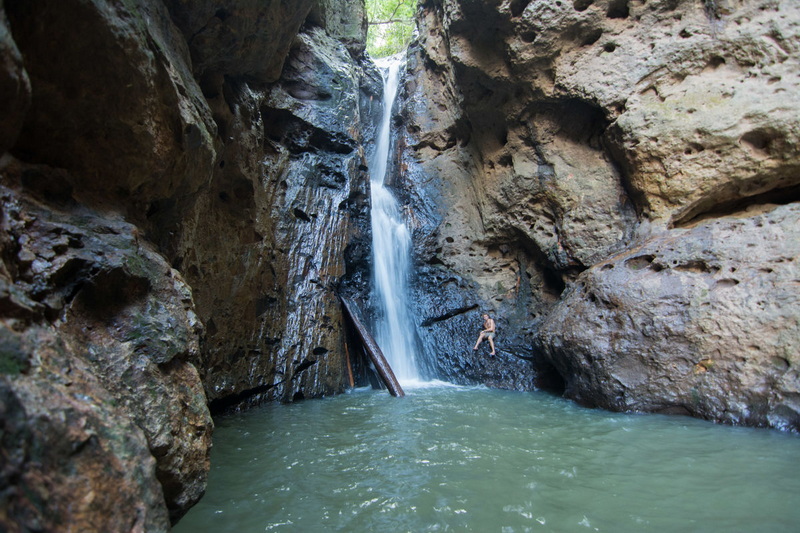
Pam Bok Waterfall can complement a Sai Ngam visit for travelers interested in another nature-focused stop near Pai. Its appeal comes from the watercourse and surrounding rock landscape, creating a contrast with the warm, shaded pools of the spring. Conditions can change seasonally, and water flow may not look the same throughout the year, so visitors should ask locally about access and footing before entering any wet area.
It is better to treat Pam Bok Waterfall as a separate stop with its own time allowance rather than as a quick photograph between appointments. Wear shoes suitable for damp ground, keep valuables protected, and follow any signs or local directions. Combining the waterfall and spring works most naturally when a private driver or flexible local transport is arranged and the overall route does not extend beyond a comfortable pace.
Pai Walking Street
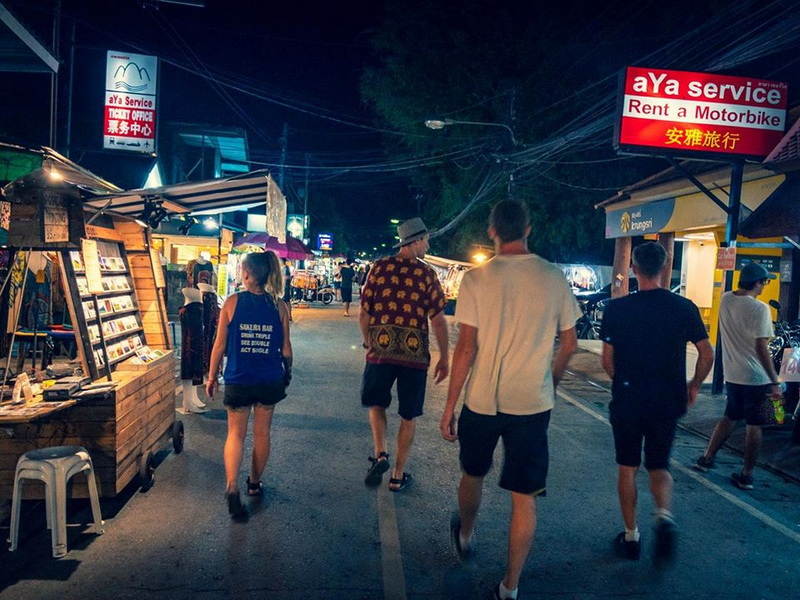
Pai Walking Street offers a useful contrast to the rural atmosphere of Sai Ngam. The evening market area is associated with food stalls, small shops, casual browsing, and a lively pedestrian setting. It can serve as a relaxed end to a day in the countryside, especially for travelers staying overnight in Pai. The atmosphere and operating pattern may vary by day and season, so avoid building a plan around an assumed stall or fixed schedule.
Visitors can enjoy the street respectfully by keeping pathways clear, carrying reusable bags where practical, and asking before photographing vendors or performers. It is also a convenient place to reflect on the day and decide whether the next leg of a Mae Hong Son journey should be arranged immediately or left for the following morning. Pairing Pai Walking Street with the spring creates a balanced itinerary: nature first, then community-centered evening activity.
Bringing the Experience Together
Sai Ngam Natural Mineral Spring is easiest to enjoy when the journey is planned around realistic road time, flexible transport, and respect for a shared natural setting. Use a driver only after confirming the service details, treat Pai as the practical base for local arrangements, and check current access information before leaving. With Pam Bok Waterfall and Pai Walking Street available as complementary stops, travelers can shape a measured itinerary rather than chase an overcrowded schedule. The result is a calmer and more responsible way to experience Sai Ngam Hot Spring Mae Hong Son.
